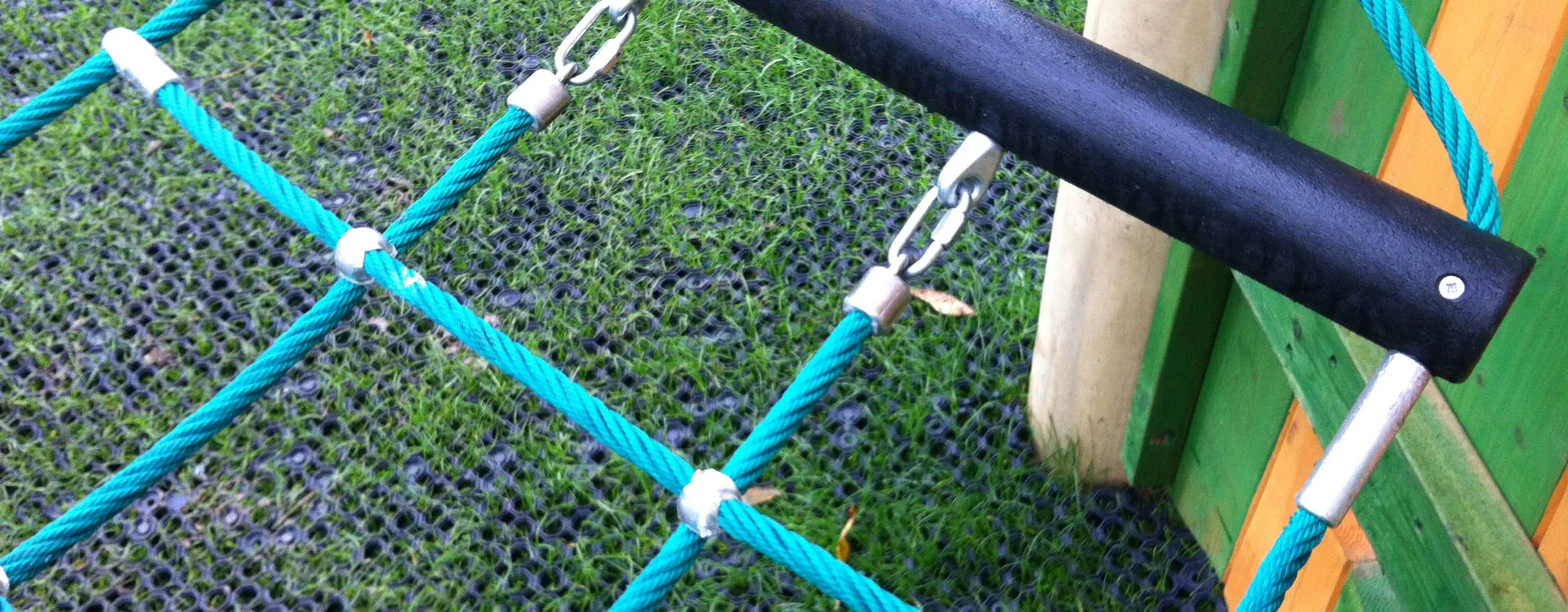
What is playground surfacing?
Playground surfacing is the impact-absorbing safety surface laid under and around play equipment, tested to BS EN 1177 so that a child falling onto it stays within the head-injury limit for the height of the equipment above it.
We survey, supply and install the full range: wet pour rubber (EPDM), bonded rubber mulch, rubber bark, play grass and inlaid coloured EPDM rubber play graphics, plus thermoplastic playground markings as a separate service for adjoining tarmac areas. Each surface is specified to the Critical Fall Height the equipment needs, which is measured in metres and set by the free height of fall under BS EN 1176.
What types of playground surfacing do we install?
Soft Surfaces supplies and installs the following playground surfacing types: wet pour rubber, bonded rubber mulch, rubber safety flooring, play grass, inlaid EPDM rubber play graphics, and the safety surfacing that sits under climbing frames and trim trails, plus thermoplastic markings as a separate service for any adjoining tarmac.
Each type suits a different site. Wet pour gives a continuous coloured surface for nurseries and graphics, bonded rubber mulch keeps a natural bark look while flowing over roots and slopes, and play grass softens lower-risk toddler areas.
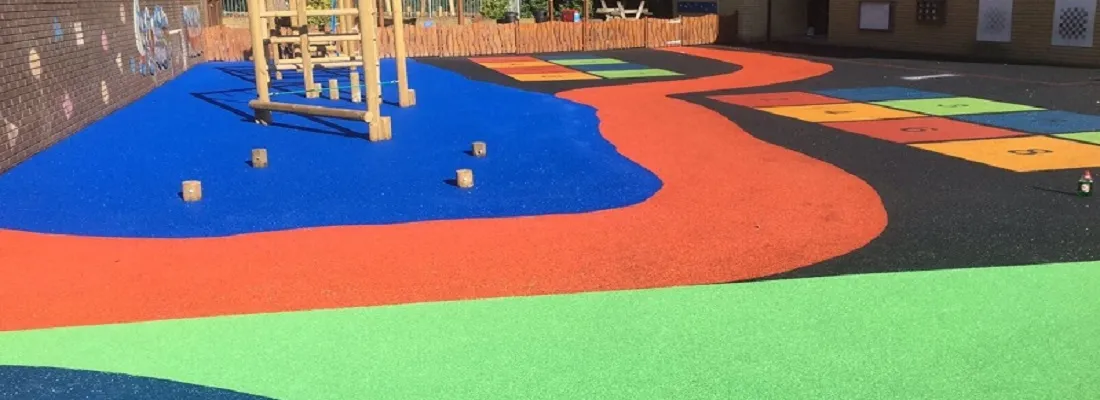
Wetpour
Continuous EPDM rubber, laid to a tested Critical Fall Height for play areas.
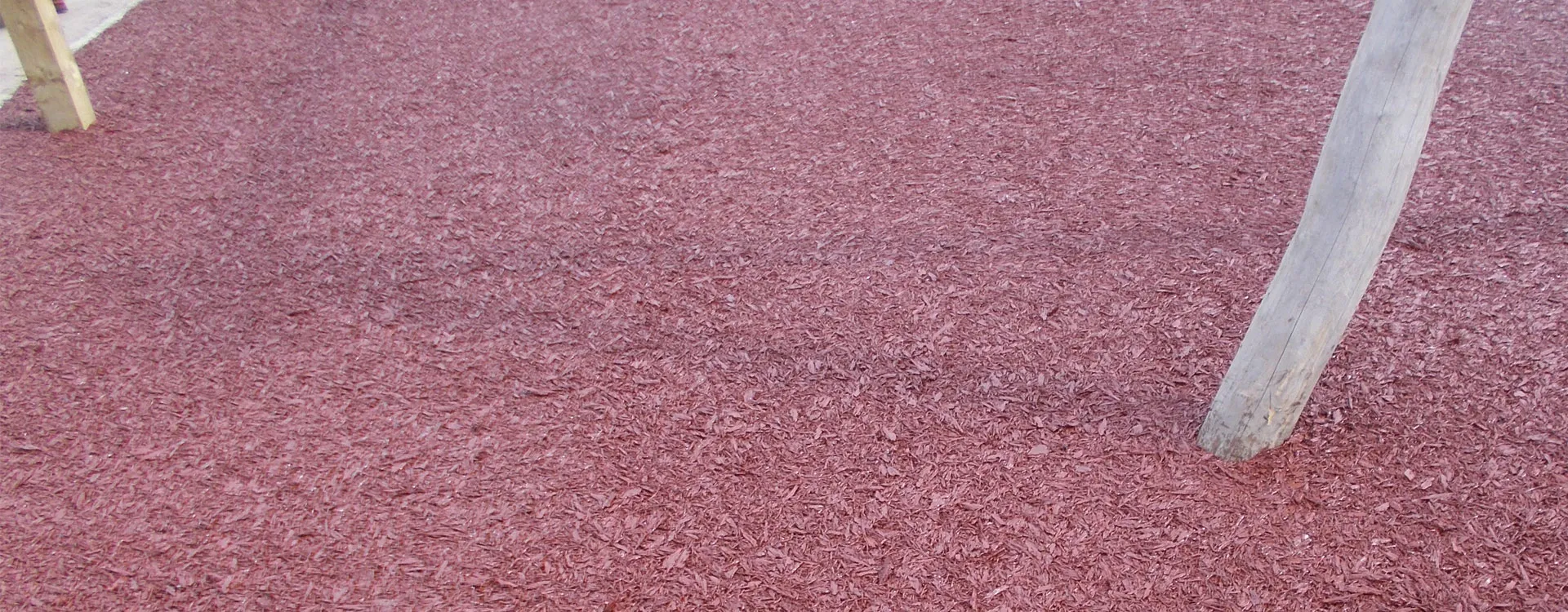
Rubber mulch
Bonded rubber mulch with a natural bark look, porous over roots and slopes.
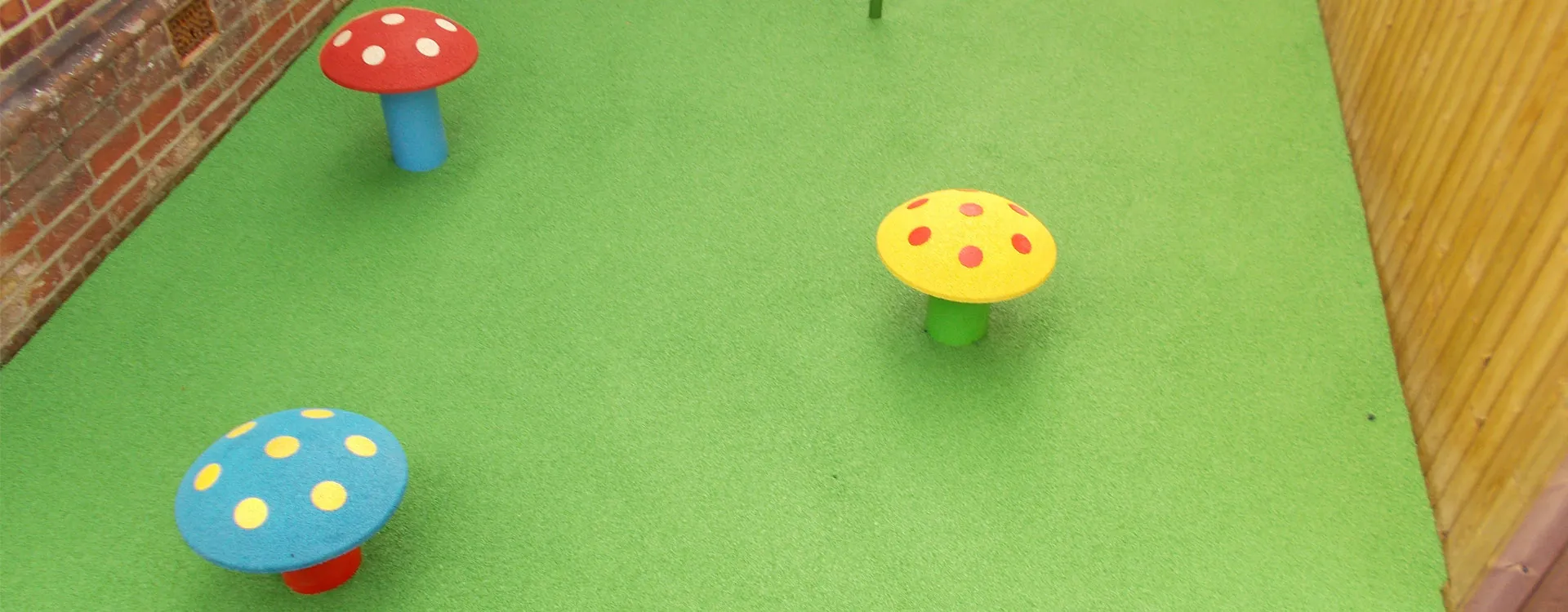
Safety flooring
Impact-absorbing safety surfacing signed off to BS EN 1177.
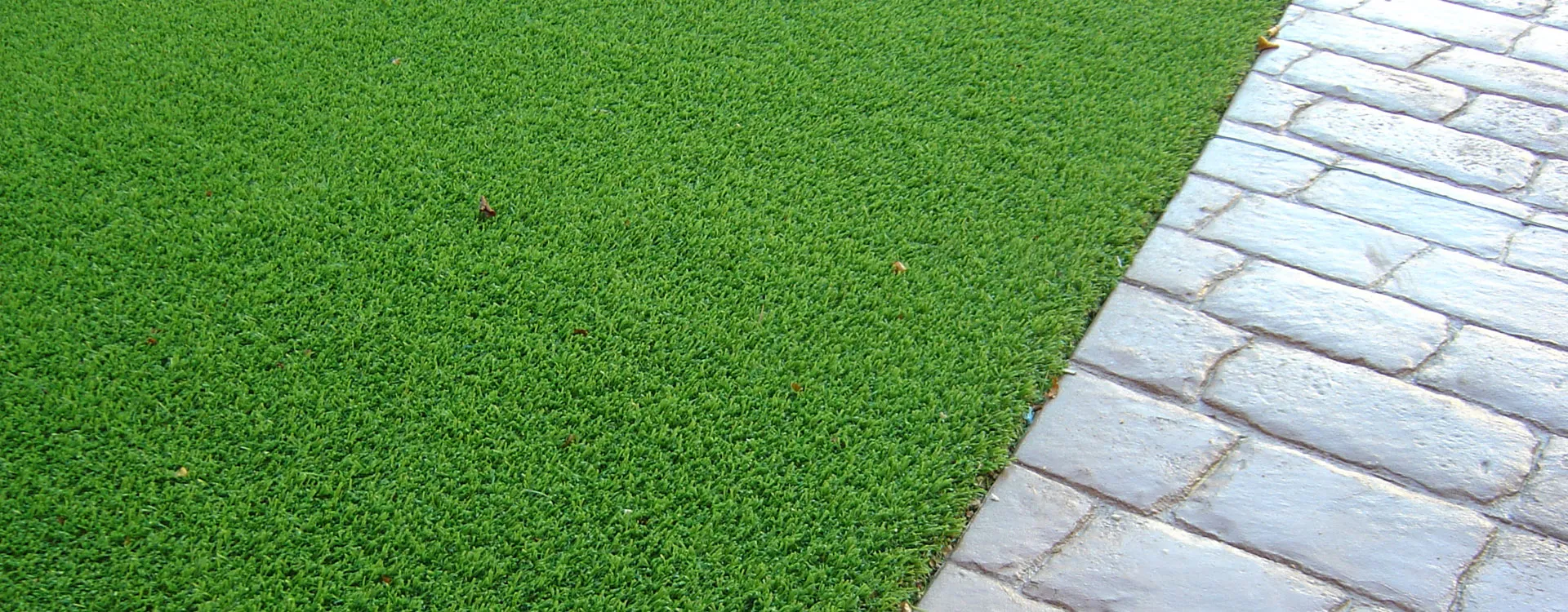
Playground grass
Soft play lawns and sand-dressed artificial grass for schools.
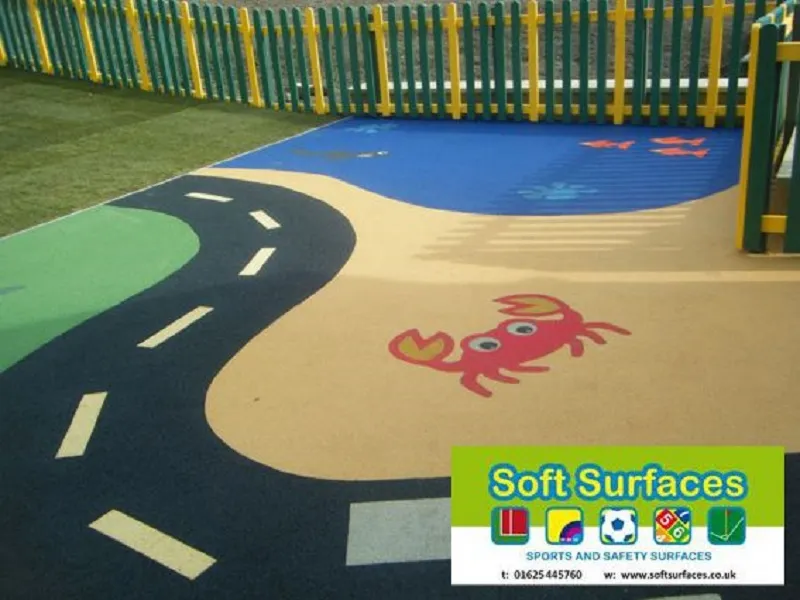
Play graphics
Inlaid coloured EPDM rubber play graphics and number grids set into the wetpour surface.
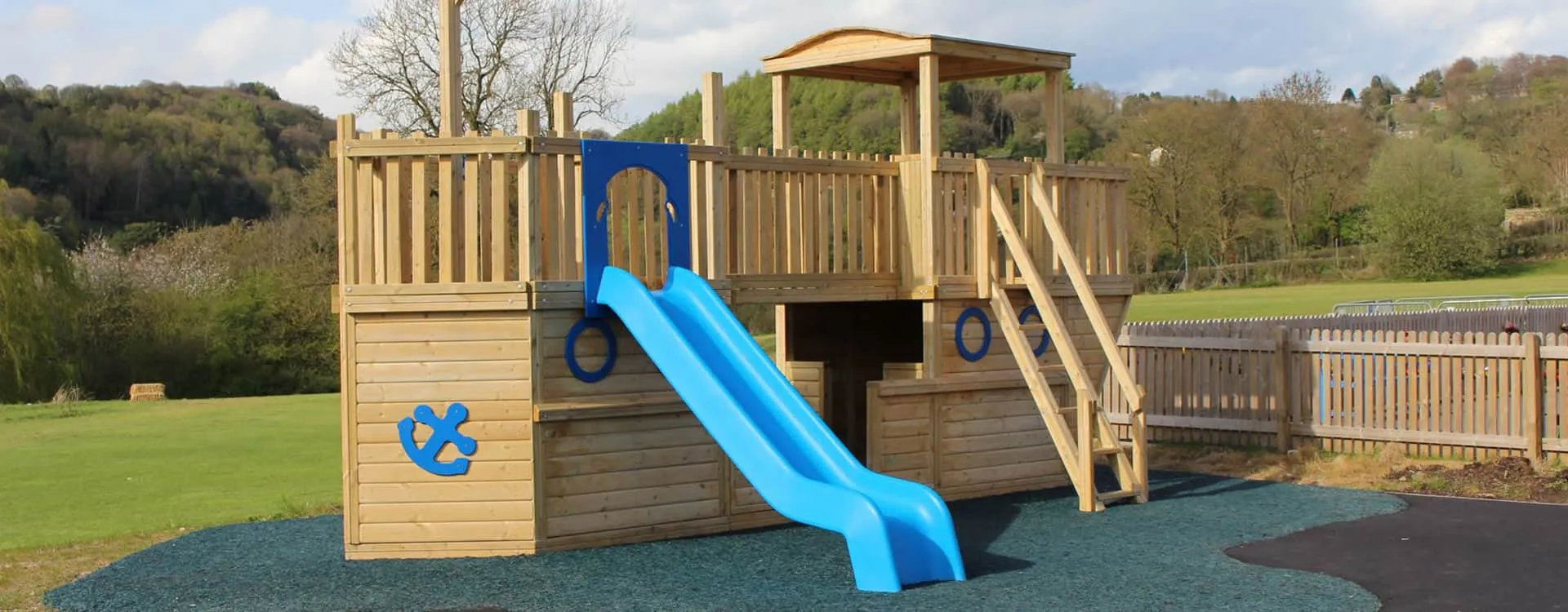
Playground equipment
Safety surfacing around climbing frames, trim trails and equipment.
Which playground surface is best for a children’s play area?
The best playground surface is decided by the equipment’s fall height, the children’s age and the budget: wet pour rubber and bonded rubber mulch pass the highest Critical Fall Heights, while play grass and grass mats suit lower-risk toddler and nursery areas.
Wet pour is the usual choice under tall climbing frames and for inlaid graphics because its depth can be built up to pass a high fall height. Bonded rubber mulch is chosen where a natural bark look matters or the ground has roots and slopes. Play grass and rubber grass mats are a lower-cost option for swings and lower equipment.
- Nurseries and EYFS: continuous wet pour, often with inlaid number and alphabet graphics.
- School playgrounds: wet pour or bonded rubber mulch under equipment, with inlaid EPDM rubber play graphics for active play.
- Natural settings: bonded rubber mulch for a bark look that flows over roots and slopes.
How much does playground surfacing cost?
Playground surfacing starts from around £29 to £39 per square metre for wet pour, excluding base works, with bonded rubber mulch around £55 per square metre. The figure is set by the surface, the depth the Critical Fall Height demands, the area, site access and any colours or graphics, so we price each site individually and confirm at survey.
The table below gives indicative installed ranges by surface so you can compare them. Wet pour and bonded rubber mulch cost more per square metre than loose-fill but pass higher fall heights and need less upkeep over their life.
| Surface | Indicative cost (per m²) | Typical lifespan | Finish |
|---|---|---|---|
| Wet pour (EPDM) | £29 to £39 | 10 to 15 years | Continuous, coloured, takes inlaid graphics |
| Bonded rubber mulch | Around £55 | 10 years or more | Natural bark look, porous, flows over roots |
| Play grass | Priced per site | Long term with care | Soft lawn look for lower-risk areas |
| Rubber grass mats | Priced per site | Varies with wear | Lower-cost, grass grows through |
Indicative figures to confirm at survey, not fixed prices, and exclude base works. Depth, and therefore cost, is set by the Critical Fall Height the equipment needs, tested to BS EN 1177.
What standards and regulations apply to playground surfacing?
Playground surfacing is tested to BS EN 1177, the British and European standard for the impact attenuation of playground surfacing, which measures how far a fall onto the surface stays within the Head Injury Criteria and gives the surface its Critical Fall Height.
A second standard, BS EN 1176, covers the play equipment itself and defines its free height of fall, which is what the surface then has to protect against. These are voluntary standards published by BSI, not law, but they are routinely specified in school, nursery and council tenders, so we install and test to them. We specify each system by the Critical Fall Height it achieves for a defined build-up, rather than a blanket claim.
What is Critical Fall Height, and how deep should playground surfacing be?
Critical Fall Height is the greatest height a child can fall onto a surface and stay within the head-injury limit, and it sets the depth of the surfacing: the higher the equipment’s free height of fall, the deeper the wet pour or bonded rubber mulch has to be to pass BS EN 1177.
We measure the free height of fall of each piece of equipment under BS EN 1176, then specify the depth that passes the required Critical Fall Height. Depth varies by system, build-up and installation, so we confirm the exact figure for your equipment at survey rather than quote a blanket number. There is more detail on our Critical Fall Height page.
How is playground surfacing installed?
We install playground surfacing over a prepared, free-draining sub-base: wet pour goes down as two bonded layers, an SBR shockpad base for impact absorption and an EPDM wearing course on top, trowelled on site to the specified depth.
Bonded rubber mulch is mixed with a polyurethane binder and trowelled over the same kind of prepared base, and play grass is laid over a shockpad. Every surface is installed to the tested spec, and for schools we work to programme and can install in the holidays or around term time.
How long does playground surfacing last?
A well-installed playground surface lasts from around 10 to 15 years with light maintenance, depending on the surface, how hard it is used and its UV exposure: wet pour and bonded rubber mulch sit at the longer end, while loose-fill surfaces need topping up sooner.
No outdoor surface is maintenance-free. A light upkeep routine, clearing debris and checking the surface, keeps it draining and passing its Critical Fall Height for its full life. These lifespans are indicative and depend on the finished specification.
What are the benefits of playground surfacing?
Playground surfacing protects children from fall injuries, drains freely so a play area stays usable after rain, and gives a continuous wheelchair-friendly surface that loose bark and grass cannot: it passes a tested Critical Fall Height, it is porous, and it carries inlaid coloured EPDM rubber graphics.
A porous surface such as wet pour or bonded rubber mulch is a SuDS-friendly way to surface a play area, so rainwater drains through rather than pooling. Inlaid coloured EPDM rubber graphics add number grids, trails and games within the surface itself, and separate thermoplastic playground markings can be laid on adjoining hard areas, while a continuous surface is easier for buggies and wheelchairs than bark.
Why choose Soft Surfaces for playground surfacing?
Soft Surfaces has installed playground surfacing across the UK since 1997, and we sign every safety surface off to a measured Critical Fall Height tested to BS EN 1177.
We work nationwide from our base in Wilmslow, Cheshire, and are accredited with CHAS and ConstructionLine Gold. The team is led by director Xavier Brooke, on the board since 2004, and we install for school playgrounds, nurseries, councils and sports clubs. Send us photos and the rough area and we come back with honest advice and a clear price.


