What is sports surfacing?
Sports surfacing is the engineered playing surface built for a sport or a mix of sports, from a multi-use games area and a 3G artificial grass pitch to a polymeric court or an athletics track, laid over a prepared base and line-marked to governing-body dimensions.
We survey, design and install the full range for schools, clubs and councils: MUGAs, 2G and 3G artificial grass pitches, macadam and polymeric courts, needlepunch all-weather surfaces, athletics tracks and tennis courts. Each surface is matched to the sports it carries, the level of play and the site.
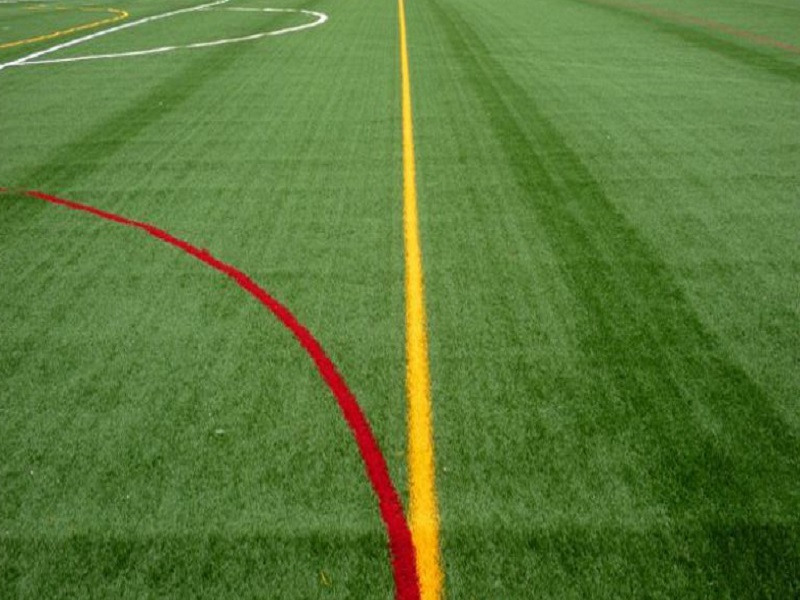
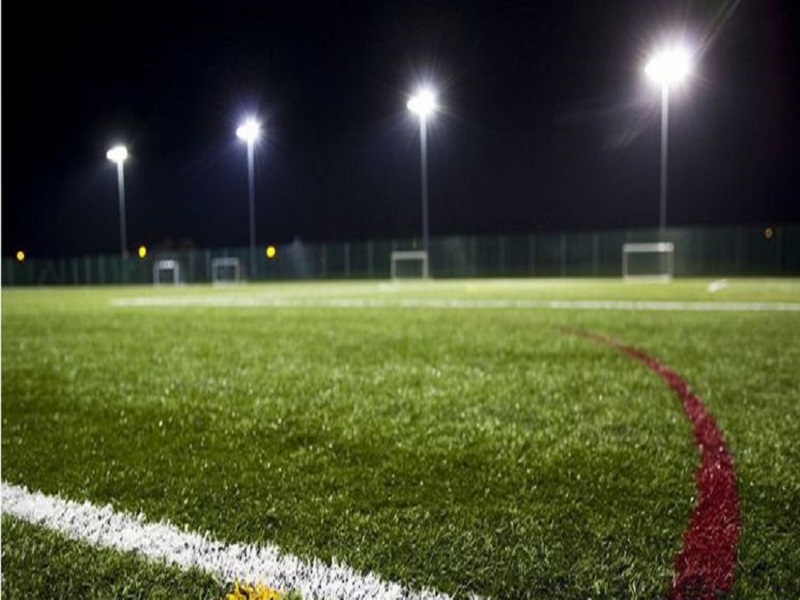
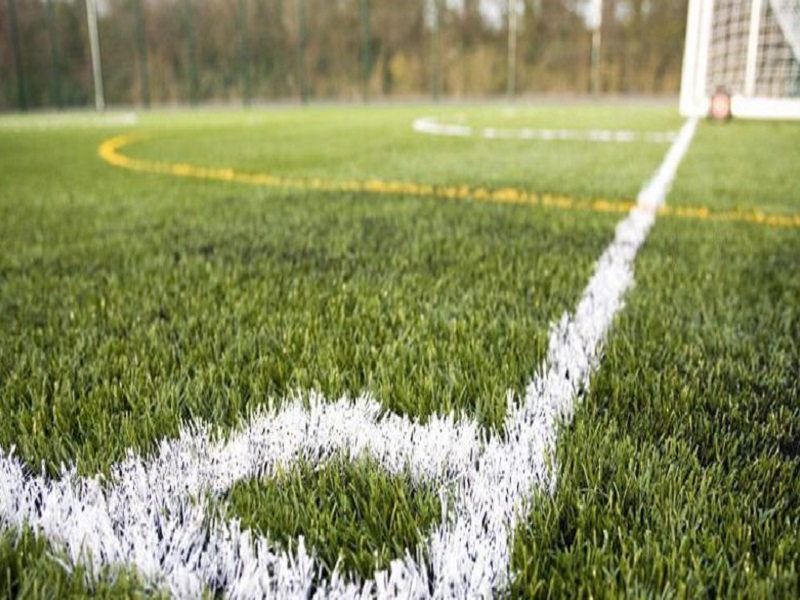
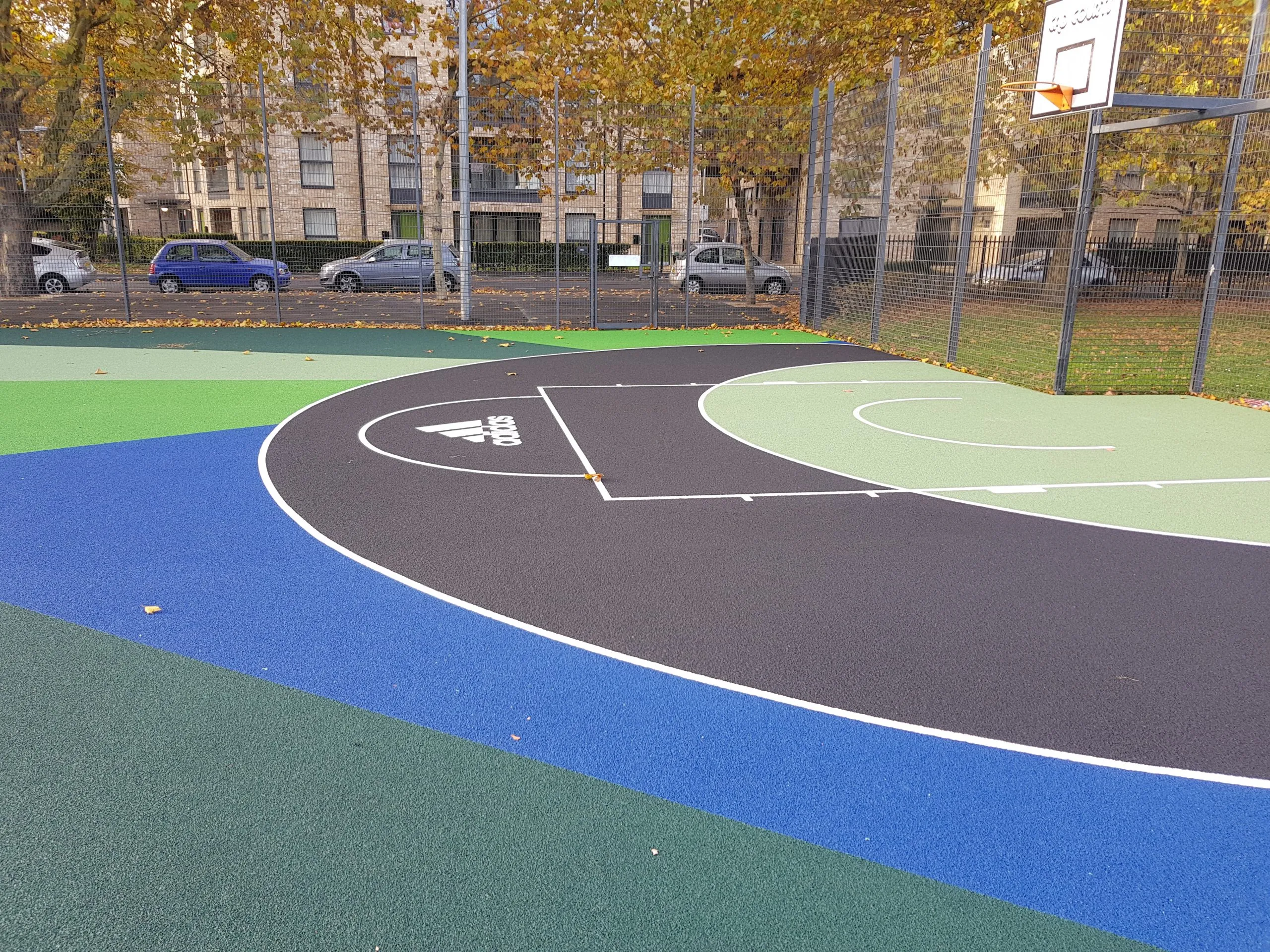
What types of sports surfacing do we install?
Soft Surfaces supplies and installs the following sports surfacing types: multi-use games areas, 3G artificial grass pitches, all-weather pitches, athletics tracks, and polymeric and macadam courts for tennis, netball and basketball.
Each type suits a different game. A 3G pitch carries football and rugby, a MUGA carries several court sports behind one fence, and a polymeric or macadam court suits tennis, netball and basketball.
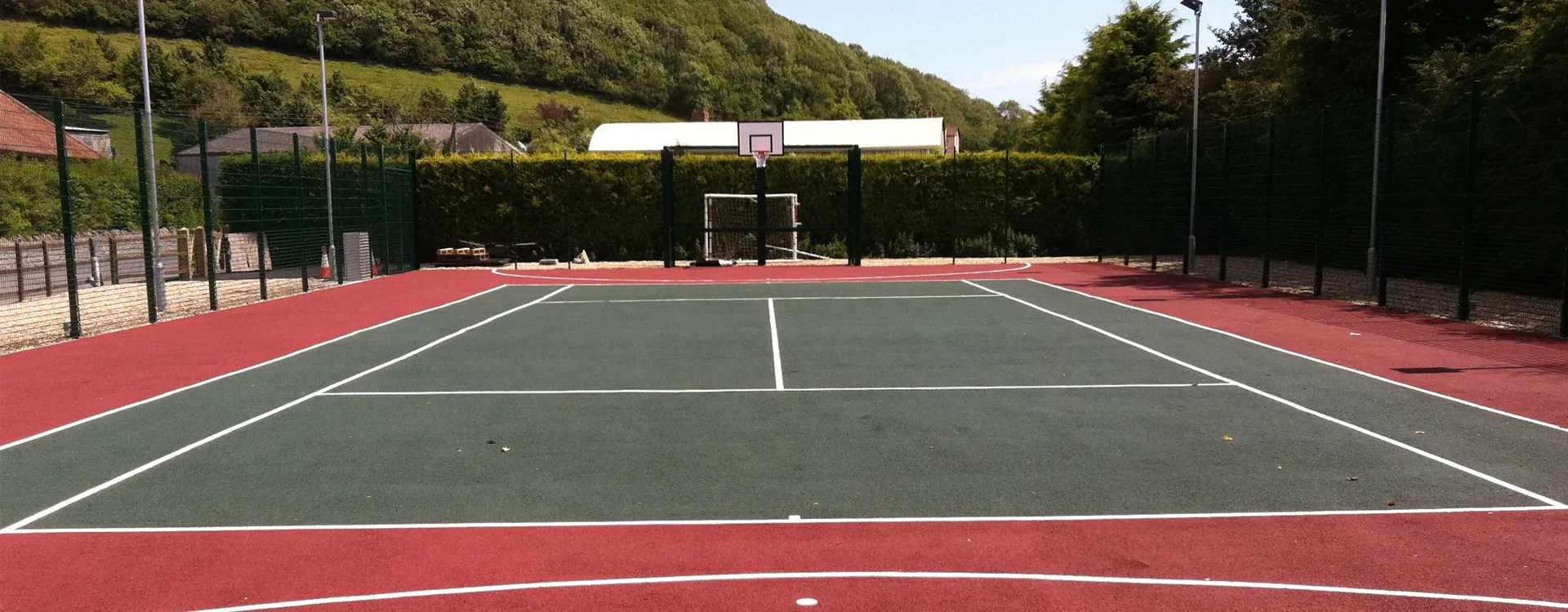
MUGA
Multi-use games areas marked for several sports on one surface.
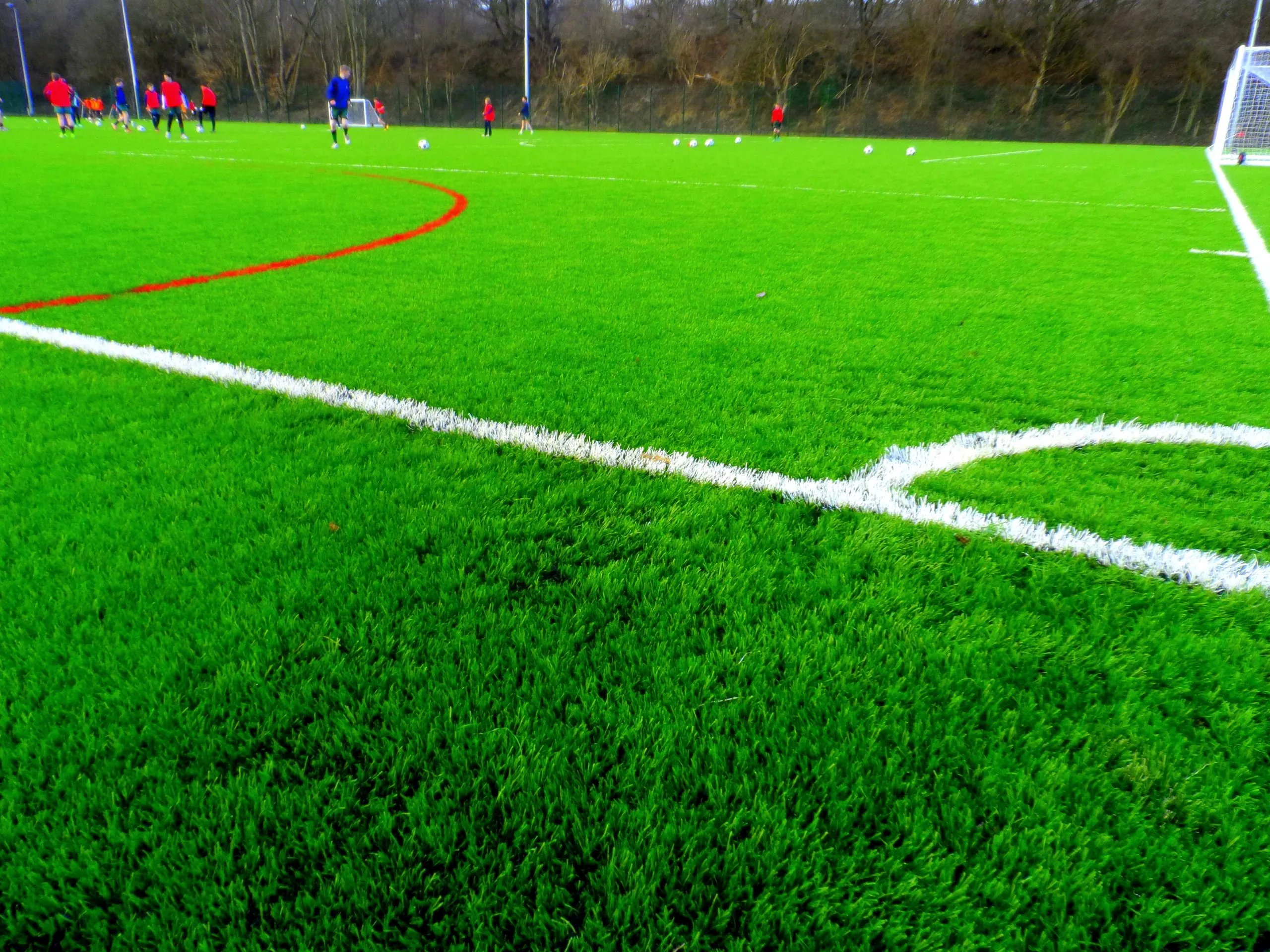
3G pitches
Rubber-crumb 3G pitches on a shockpad base, built for football and rugby.
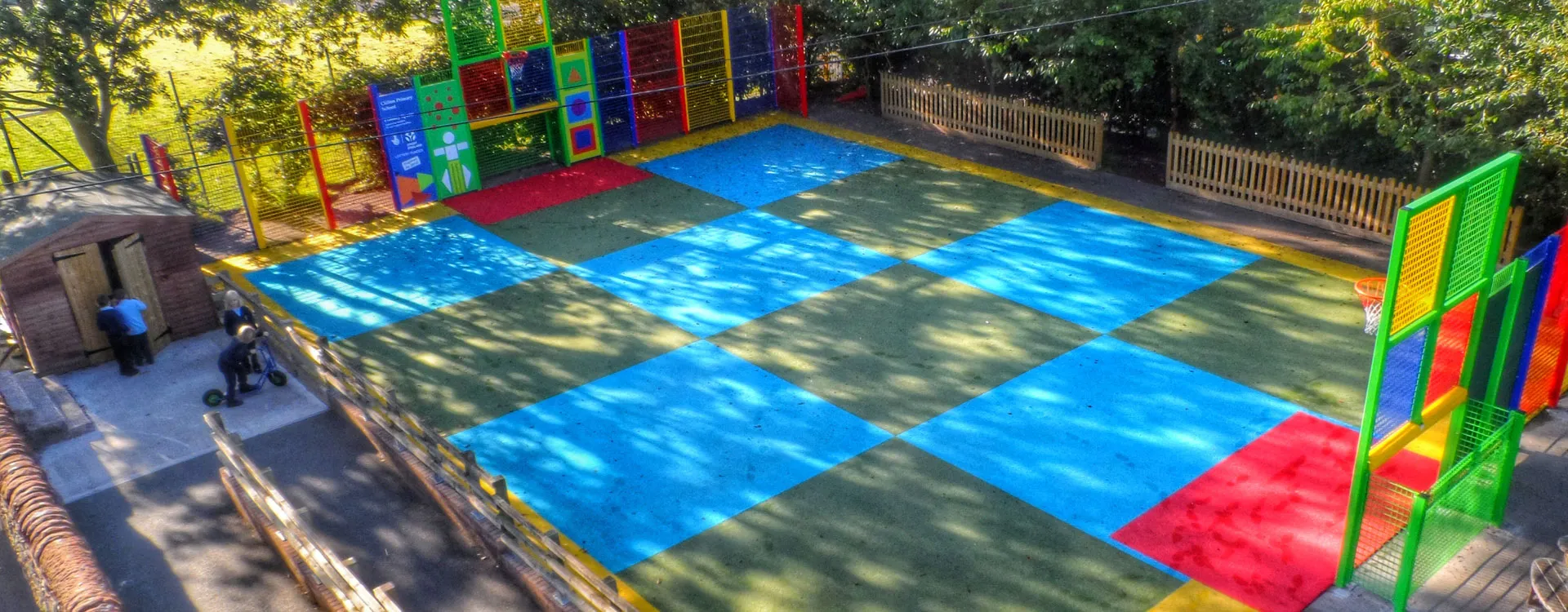
All-weather pitches
All-weather courts and pitches that stay playable through the seasons.
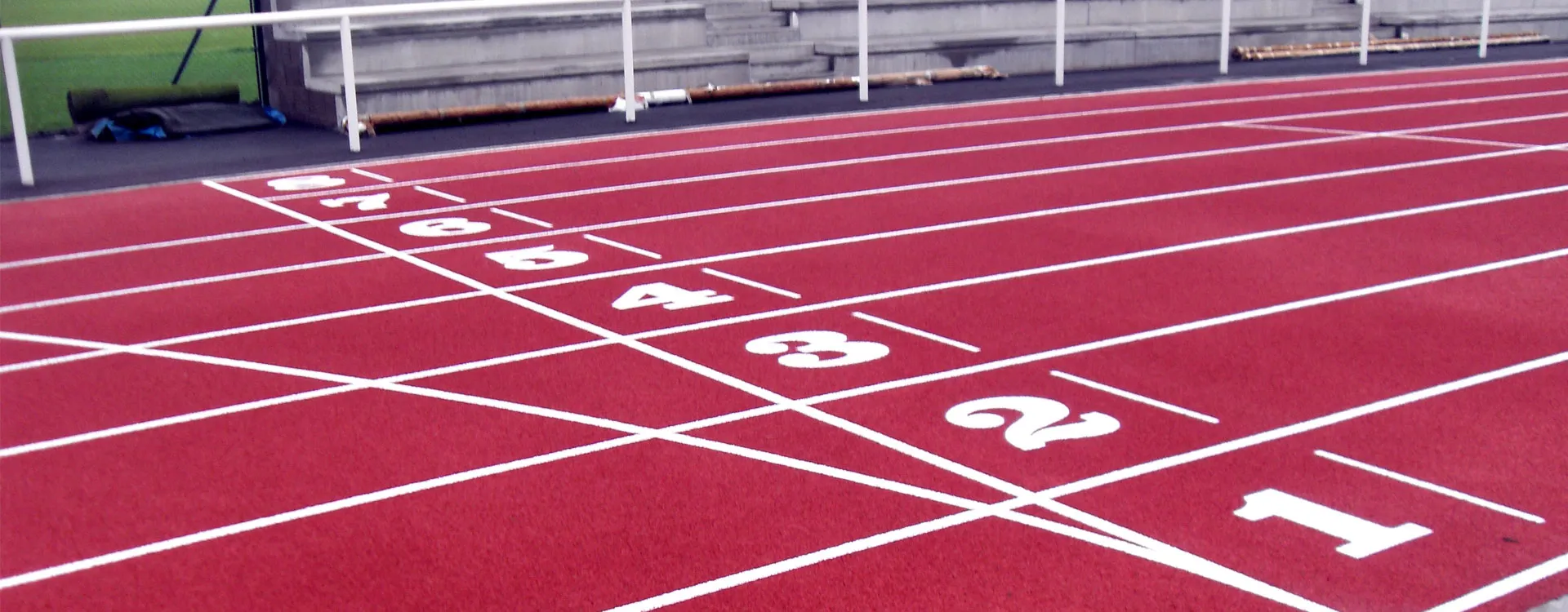
Athletics track
Polymeric and needlepunch tracks, runways and the Daily Mile.
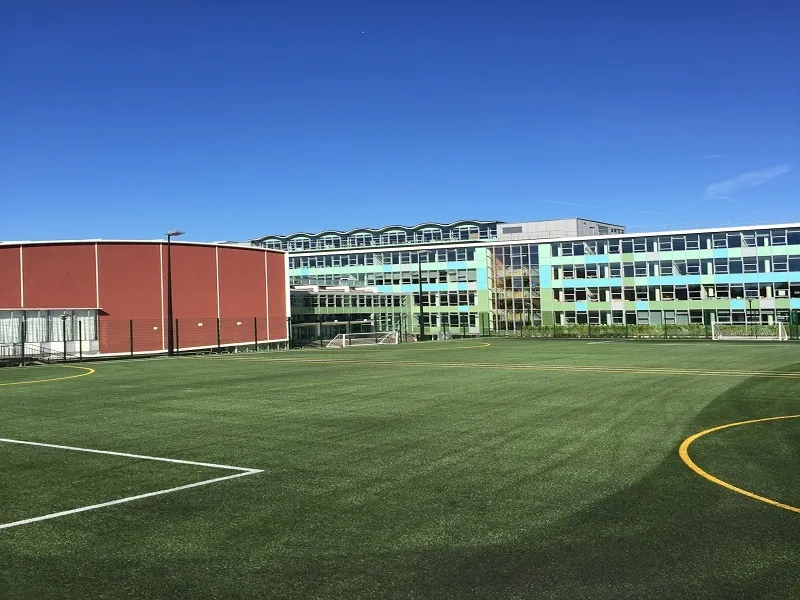
Polymeric & tennis courts
Polymeric and macadam courts for tennis, netball and basketball.
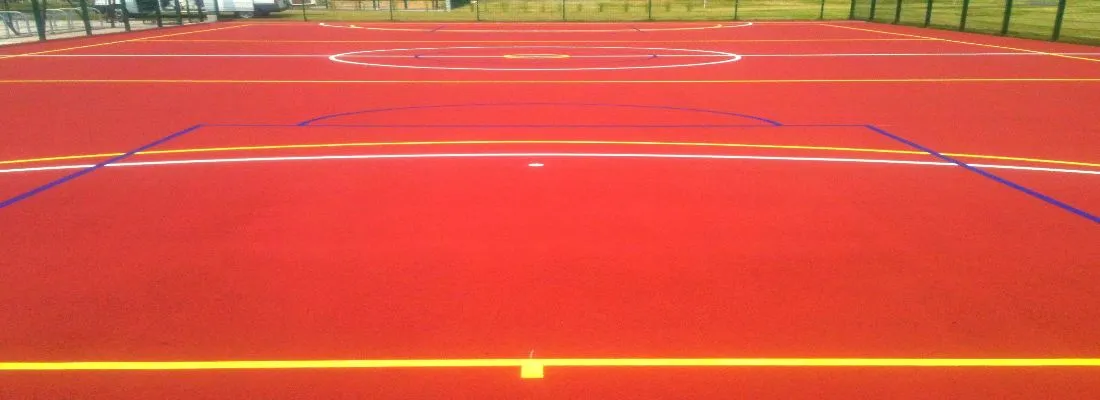
Pitch types explained
How 2G, 3G, 4G and 5G pitches differ, so you pick the right surface.
Which sports surface is best for my site?
The best sports surface is decided by the sports you play, the level of play and the budget: a 3G artificial grass pitch suits football and rugby, a MUGA suits several court sports on one fenced area, and a macadam or polymeric court suits tennis, netball and basketball.
For hockey and general all-weather use, a sand-dressed 2G or needlepunch surface gives the right ball roll, while a polymeric athletics track suits running, sprints and the Daily Mile. We advise the surface, the base build-up and the line markings for how the facility will actually be used.
- Football and rugby: a 3G pitch with a rubber-crumb infill on a shockpad base.
- Several sports, one fenced area: a MUGA in polymeric, macadam or 2G or 3G.
- Tennis, netball, basketball: a macadam or polymeric court, colour-coated and line-marked.
How much does sports surfacing cost?
Sports surfacing is priced per project rather than by a single rate per square metre, because the base and drainage, the fencing and any floodlighting vary so much from one site to the next. The groundworks and the size of the facility move the figure the most, so we price each scheme individually and confirm it at survey.
A full-size 3G pitch runs into the hundreds of thousands of pounds once the engineered base, drainage, fencing and floodlighting are included. The table below sets out what each surface suits and the main things that drive its cost.
| Surface | Best for | Main cost drivers |
|---|---|---|
| 3G artificial grass pitch | Football, rugby | Base, drainage, fencing, floodlighting |
| MUGA | Several court sports | Size, surface type, fencing |
| Polymeric / macadam court | Tennis, netball, basketball | Base, colour coating, line marking |
| Athletics track | Running, sprints, Daily Mile | Base, polymeric depth, lane marking |
Each facility is priced individually and confirmed at survey, because the base, drainage, fencing and floodlighting all depend on the site.
What size is a MUGA, football pitch or rugby pitch?
A multi-use games area is usually around 38m by 18m or 35m by 17m, a full-size football pitch is about 100m by 64m within the FA and FIFA Laws of the Game range of 90m to 120m long, and a rugby union pitch is up to 100m between the goal lines with in-goal areas and a width up to 70m under World Rugby.
Sizes are set by the sport and the space you have. A five-a-side pitch and a junior MUGA are smaller, while a senior pitch needs the full run-off and fencing. We set out the pitch or court to the governing-body dimensions the facility needs and mark it accordingly.
What is the difference between 2G, 3G, 4G and 5G pitches?
A 2G pitch is a short-pile sand-dressed surface suited to hockey, a 3G pitch is a long-pile surface with a rubber-crumb infill designed for football and rugby, and 4G and 5G are marketing terms for newer reduced-infill or non-infill systems rather than recognised governing-body generations.
3G is the infilled standard recognised by the FA, FIFA and World Rugby, so it is the usual choice for competitive football and rugby. There is a full breakdown on our 2G, 3G, 4G and 5G pitches explained page.
How is a sports surface installed?
We install a sports surface over an engineered, free-draining sub-base: a 3G pitch is built up as a stone base, a shockpad, then the artificial grass carpet, which is seamed, infilled with sand and rubber crumb and line-marked for the sports it carries.
A polymeric court is laid over a macadam base and colour-coated, and an athletics track is laid as a polymeric or needlepunch system to sprint-ready tolerances. Every surface is set out to the governing-body dimensions.
How long does a sports surface last?
A well-installed sports surface lasts from around 8 to 15 years with maintenance, depending on the surface and how hard it is used: a 3G carpet is usually 8 to 10 years, a polymeric court longer, while a macadam base lasts longer still and can be resurfaced.
Maintenance matters. Regular brushing and infill top-ups keep a 3G pitch playing and draining, and a yearly check keeps a court true. These lifespans are indicative and depend on use, maintenance and the finished specification.
What standards and dimensions apply to sports surfacing?
Sports surfacing is built to the relevant governing-body dimensions: the FA and FIFA Laws of the Game set football pitch sizes and World Rugby sets rugby pitch sizes, so we set every pitch and court out to the dimensions for the sports it carries.
We build the base, drainage and surfacing to suit the site and the sport. Where a MUGA sits in a school we also work to the fencing and safety requirements the site needs, and we set out every facility to the governing-body dimensions for the sports it carries.
Why choose Soft Surfaces for sports surfacing?
Soft Surfaces has built sports surfacing across the UK since 1997, and we set out every MUGA, pitch and court to the governing-body dimensions for the sports it carries.
We work nationwide from our base in Wilmslow, Cheshire, and are accredited with CHAS and ConstructionLine Gold. The team is led by director Xavier Brooke, on the board since 2004. Send us the site and the sports you want to play and we come back with honest advice and a clear price.