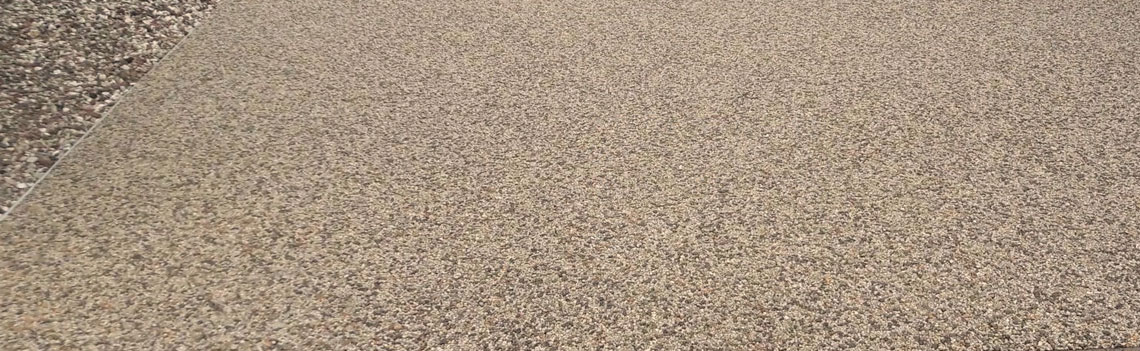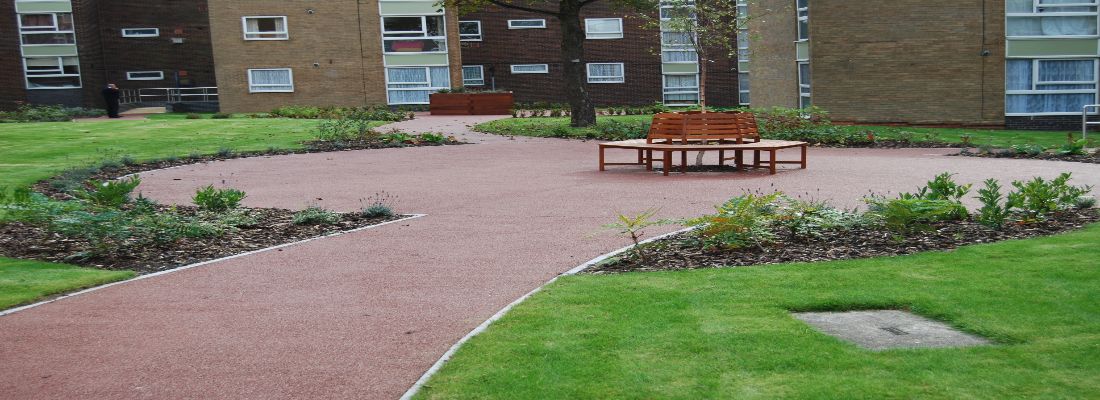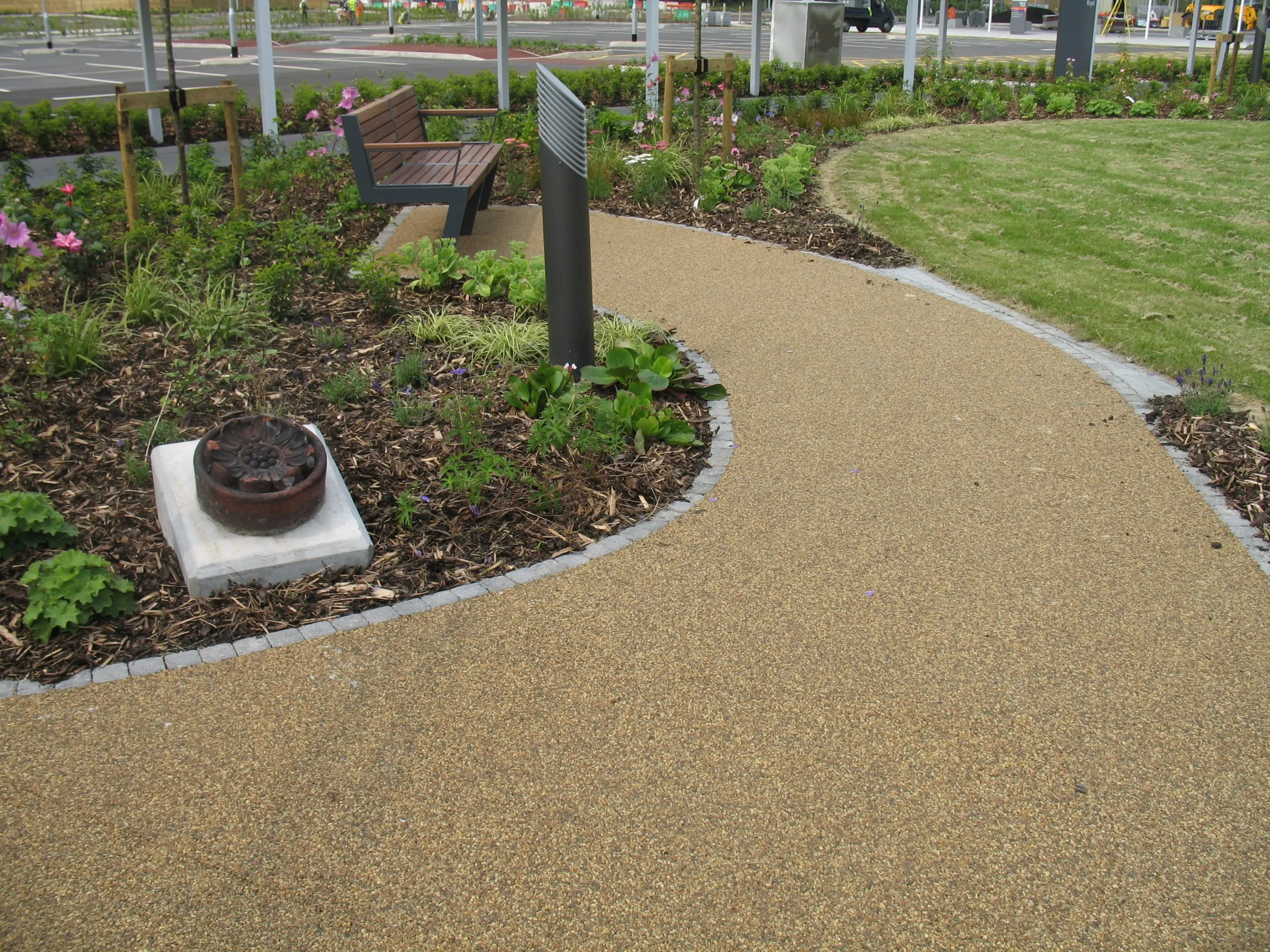
What is resin bound surfacing?
Resin bound surfacing is a permeable paving in which washed aggregate is mixed with a clear resin and hand-trowelled on site to a smooth, continuous finish, so rainwater drains straight through it and it meets SuDS requirements for schools, commercial sites and public pathways.
It differs from resin bonded stone, where loose stone is scattered onto a resin layer for a textured, higher-grip surface. We supply and install both, plus resin pathways and SuDS-compliant surfacing for car parks, courtyards and wheelchair routes.
What types of resin surfacing do we install?
Soft Surfaces supplies and installs the following resin surfacing types: resin bound gravel, resin bonded stone, resin pathways and SuDS-compliant permeable surfacing for schools, commercial sites and the public realm.
Resin bound gives a smooth, porous finish for paths and access routes, while resin bonded gives a textured, higher-grip finish that suits slopes, ramps and steps.
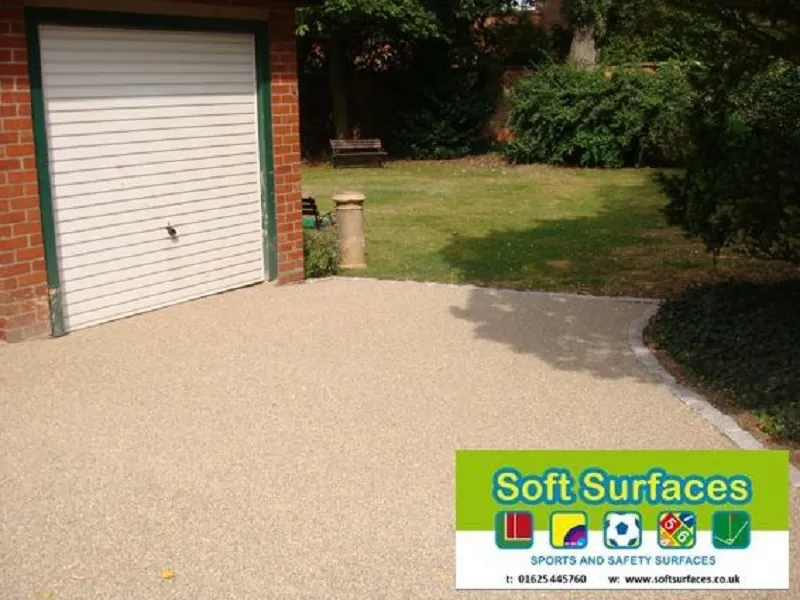
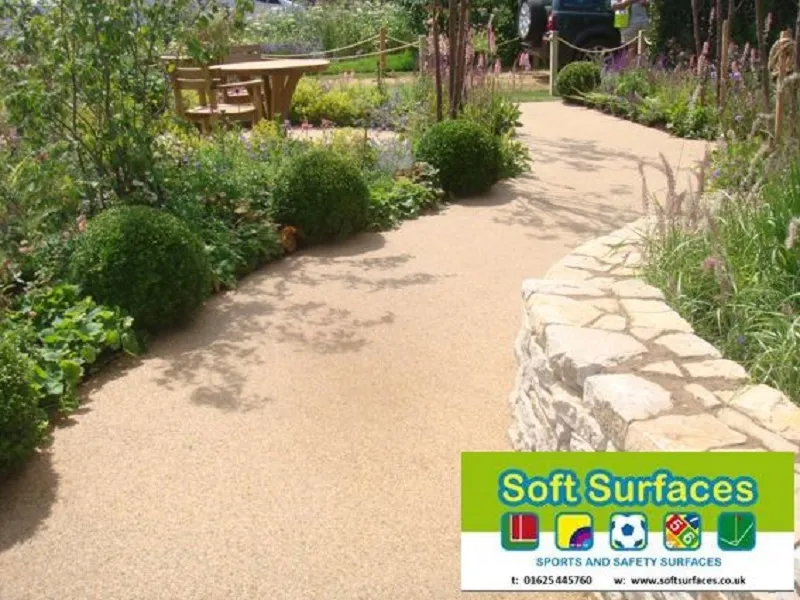
Resin bound gravel
Smooth, permeable resin bound gravel, hand-trowelled to a SuDS-compliant finish.
Resin bonded stone
Textured, high-grip resin bonded stone for slopes, ramps and access.
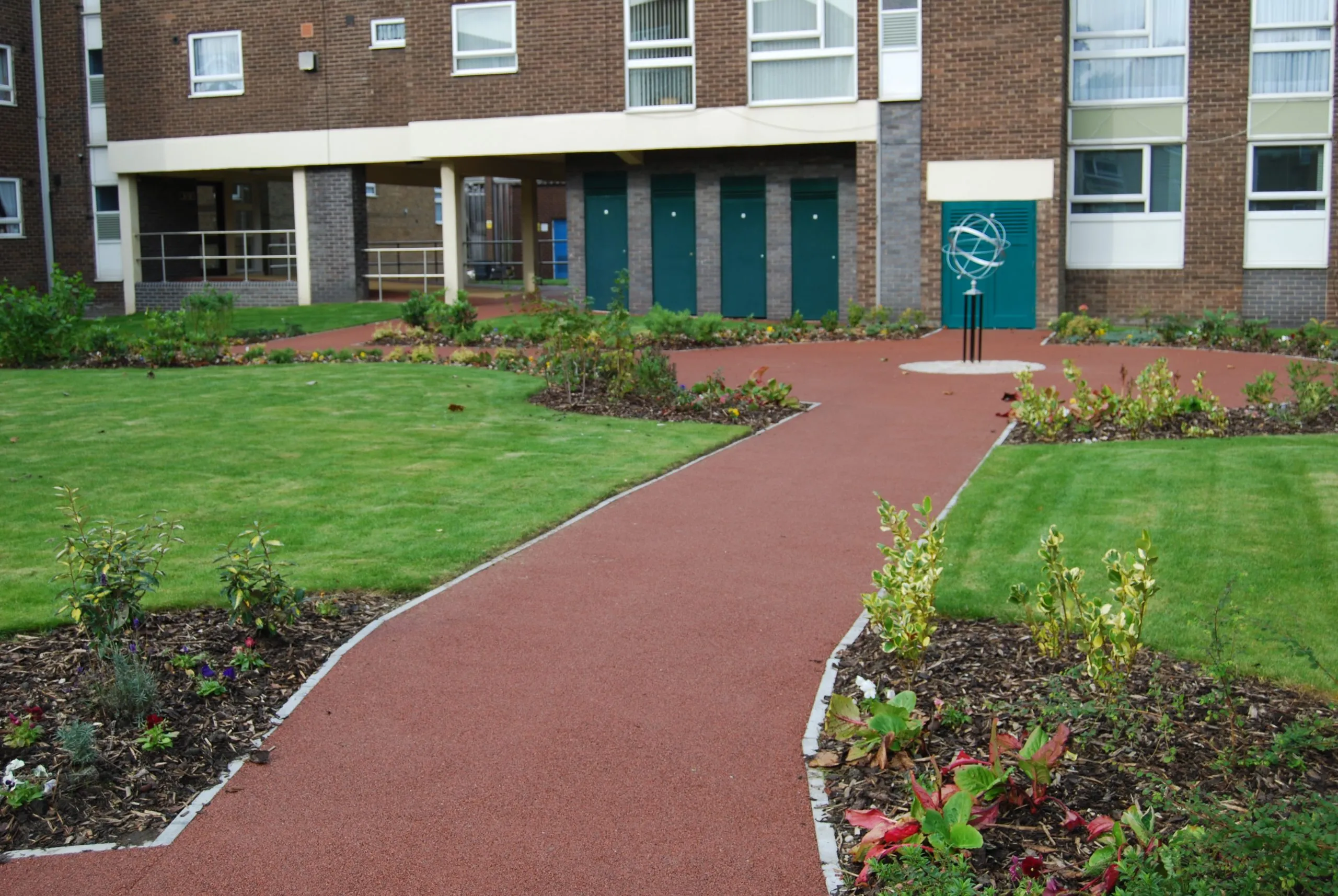
Resin pathways
Permeable resin pathways for parks, schools and the public realm.
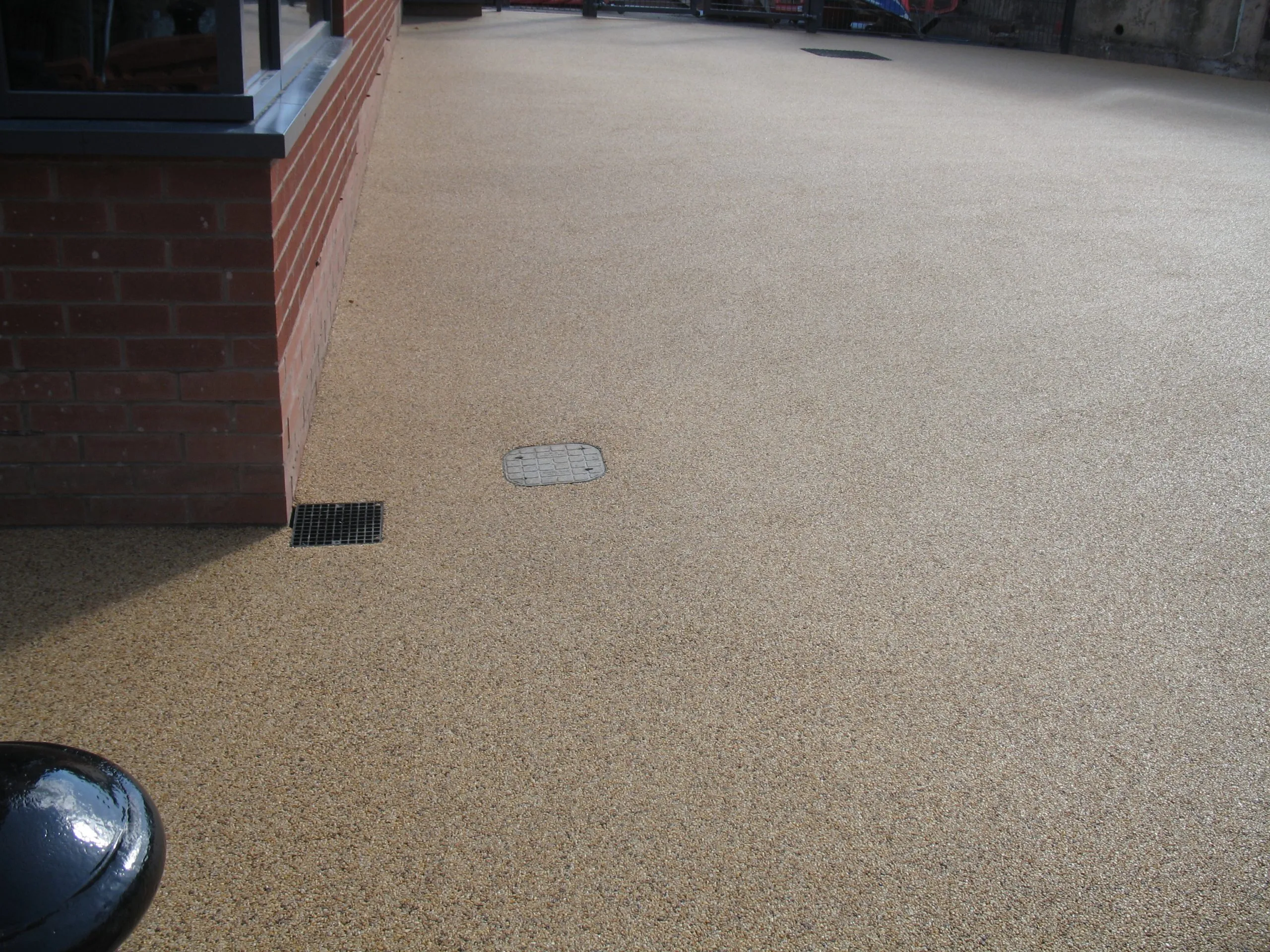
SuDS permeable surfacing
SuDS-compliant permeable surfacing that drains freely in heavy rain.
Is resin bound or resin bonded right for my project?
Resin bound is chosen for a smooth, porous surface that drains through and takes wheelchairs and buggies, while resin bonded is chosen for a textured, higher-grip finish on slopes, ramps and steps where water needs to shed off rather than drain through.
The table below sets the two out side by side so you can compare how each is laid, how it drains, its depth and where it suits. We advise which fits your site, the sub-base it needs and the aggregate blend.
| Resin bound | Resin bonded | |
|---|---|---|
| How it is laid | Aggregate mixed with clear resin, hand-trowelled on site | Resin laid first, loose stone scattered onto it |
| Finish | Smooth and continuous | Textured, loose-gravel look, higher grip |
| Drainage | Porous, SuDS compliant, water drains through | Non-porous, water sheds off the surface |
| Depth | 12mm to 24mm | Around 4mm |
| Best for | Paths, courtyards, car parks, school access, wheelchair routes | Slopes, ramps and steps where extra grip matters |
Depths and finishes are indicative and set by the aggregate blend and the base. We confirm the specification at survey.
How much does resin bound surfacing cost?
Resin bound surfacing costs around £60 per square metre installed, set by the aggregate blend, the depth, the condition of the base and the area. This is an indicative figure to confirm at survey, not a fixed price, because the sub-base and access move it the most.
Resin bound costs more upfront than loose gravel, but it stays in place, drains freely and needs little upkeep. Resin bonded stone is laid thinner, at around 4mm, and priced on a similar basis depending on the base. We give a clear itemised quote for your site.
| Surface | Indicative cost (per m²) | Finish | Best for |
|---|---|---|---|
| Resin bound gravel | Around £60 | Smooth, porous, SuDS compliant | Paths, courtyards, car parks, school access |
| Resin bonded stone | Priced per site | Textured, higher grip, non-porous | Slopes, ramps and steps |
Indicative figures to confirm at survey, not fixed prices. Premium aggregate blends and a poor base raise the figure.
What are the disadvantages of resin bound gravel?
Resin bound gravel needs a sound, free-draining sub-base, professional installation and a dry window to cure, and it costs more upfront than loose gravel, so it is a considered surface rather than a quick fix.
Laid over a weak or poorly drained base it can lift or craze, which is why we survey the base first and build up or repair it where needed. Done properly over the right base, it stays put, drains freely and keeps its finish for years.
How long does resin bound surfacing take to cure?
Resin bound surfacing is typically walkable within 24 hours and ready for full traffic within 24 to 48 hours, depending on the temperature and the resin system, since the resin cures faster in warm, dry conditions.
We plan the pour around the weather so the surface cures cleanly. Cure times are indicative and set by the resin and the conditions on the day, so we confirm the handover window at survey.
How is resin bound surfacing installed?
We install resin bound surfacing over a prepared, free-draining base, usually open-textured macadam or a suitable concrete: the washed aggregate is mixed with clear resin in a forced-action mixer and hand-trowelled across the area to the specified depth.
The base is the part that makes or breaks the job, so we survey it, build it up or repair it where needed, then pour and finish the surface by hand.
Is resin bound surfacing SuDS-compliant?
Resin bound surfacing is a permeable, SuDS-compliant system: because the aggregate is bound with resin but left with voids, rainwater drains straight through the surface and into the base rather than running off, which is what makes it suitable for school access, car parks and the public realm.
That permeability is the main reason it is specified over block paving and non-porous surfaces on commercial and public projects. It needs a free-draining base to work as a SuDS surface, which we build in as part of the installation.
Why choose Soft Surfaces for resin bound surfacing?
Soft Surfaces has installed resin bound and bonded surfacing across the UK since 1997 for schools, commercial sites, hospitals and public pathways.
We work nationwide from our base in Wilmslow, Cheshire, and are accredited with CHAS and ConstructionLine Gold. The team is led by director Xavier Brooke, on the board since 2004. Send us the site and the area and we come back with honest advice and a clear price.