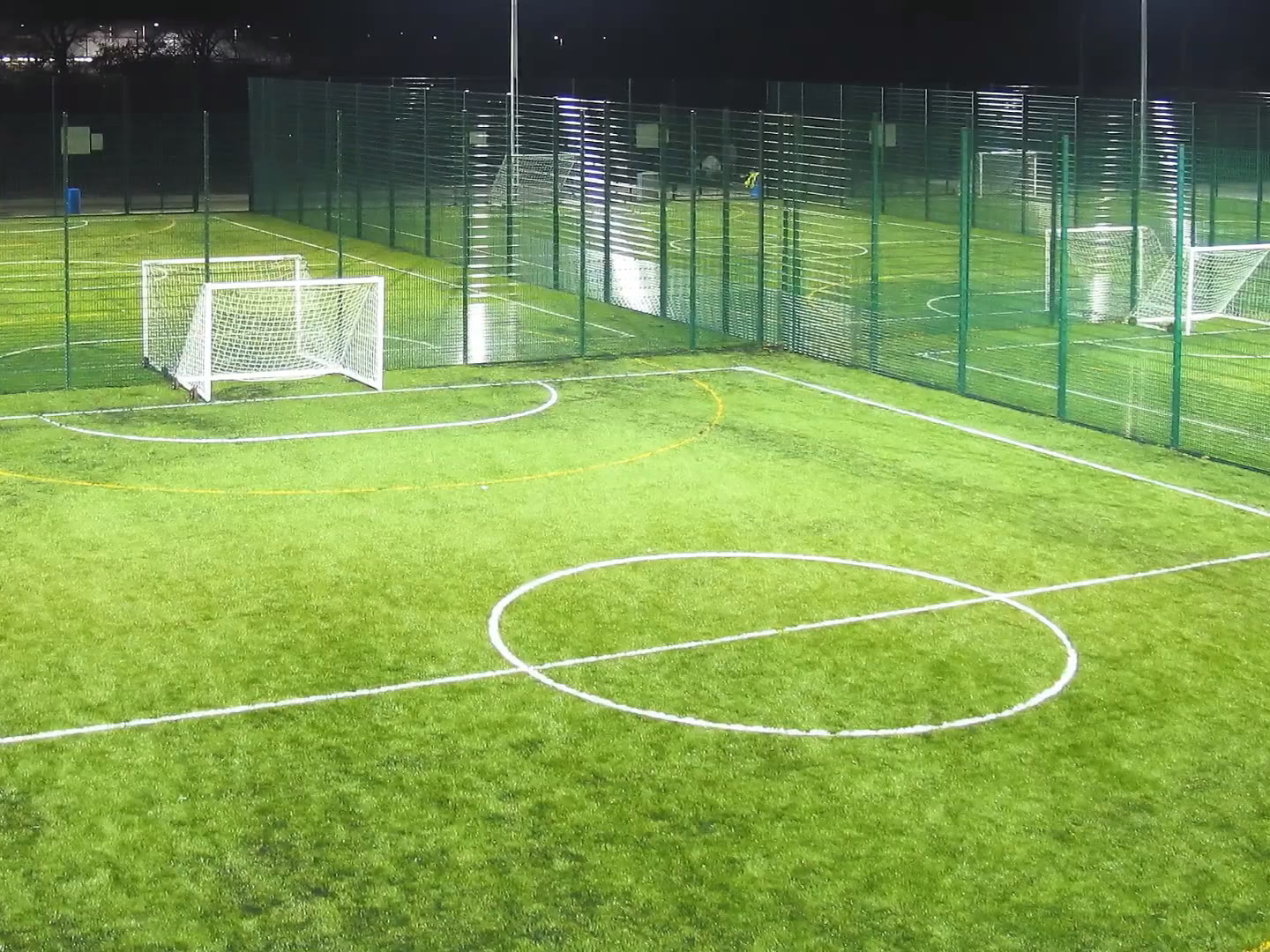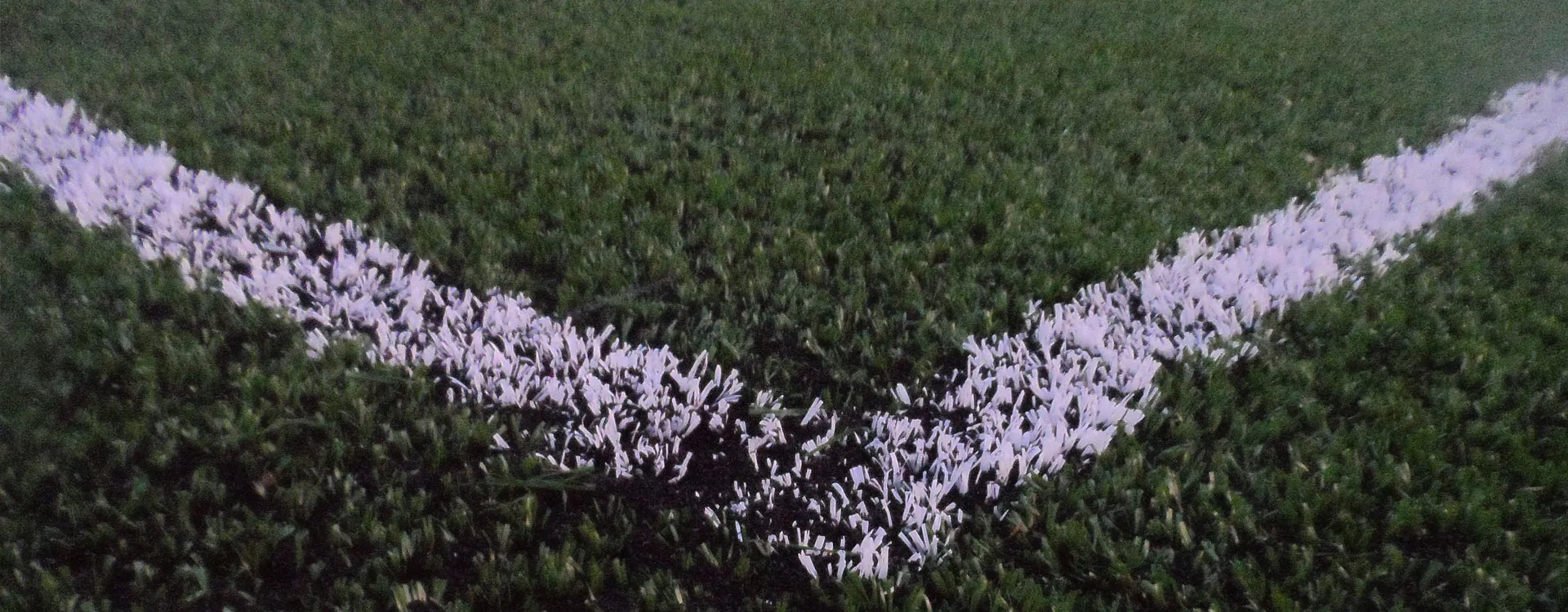
Artificial grass pitches, often called all-weather pitches, are named by generation: 2G is short sand-filled pile, 3G is long pile with sand and rubber crumb infill, and 4G, 5G and 6G are sales names for newer carpets. Manufacturers keep changing the pile heights, pile density, infill rates and some looking at the construction or shockpad element of the works.
What is the difference between 2G, 3G, 4G and 5G pitches?
The difference between 2G, 3G, 4G and 5G pitches is the pile height and the infill: a 2G pitch has a short sand-filled pile for hockey, a 3G pitch has a long pile with a sand and rubber crumb infill for football and rugby, and 4G and 5G are sales names for newer reduced-infill or non-infill carpets.
Only 1G, 2G and 3G describe real stages in how synthetic turf developed. The FA, FIFA, World Rugby and the FIH (the international hockey federation) test and certify surfaces against their own performance standards, and none of them has a 4G, 5G or 6G category. The table below sets the generations side by side.
| Generation | Typical pile height | Infill | Main sports | Governing-body standard |
|---|---|---|---|---|
| 1G | Short, around 10mm | None | Original 1960s "Astroturf" surfaces | Superseded |
| 2G | Around 13mm to 25mm | Sand filled or sand dressed | Hockey, tennis, MUGAs, training | FIH for hockey |
| 3G | Around 40mm to 65mm | Sand plus rubber crumb, often over a shockpad | Football, rugby | FA, FIFA Quality, World Rugby Regulation 22 |
| 4G | Varies by manufacturer | Little or no infill | Marketed for football | No separate category |
| 5G and 6G | Varies by manufacturer | Varies, often a rubber infill | Marketed for football | No separate category |
Pile heights are typical ranges across manufacturers, not a fixed specification. We confirm the exact carpet, infill and shockpad for your sport and level of play at survey.
What is a 3G pitch?
A 3G pitch is a third-generation artificial grass surface with a long pile of around 40mm to 65mm, held upright by a sand layer and a rubber crumb infill, and usually laid over a shockpad so that football and rugby players get a natural ball roll, grip and fall protection.
3G is the only generation that football and rugby governing bodies test and certify. It is the surface the Football Foundation funds for community football, and it carries 5-a-side, 7-a-side and full-size matches. We cover the build itself, from the engineered sub-base to the line markings, on our 3G pitch construction page.
Third Generation artificial grass is a sand / rubber infilled sports synthetic surface ideal for football and rugby. 3G football pitches are rented every night to thousands of players for training, 5 a side leagues, 7 aside leagues and even played on for their main games at amateur level with full size pitch facilities. It meets the approval of the UK rugby and football governing bodies, including FIFA, the FA, the IRB, the RFU and the RFL.
For a pitch used for both training and matches in these sports, 3G is the surface to choose. The overall design can be customised to suit your budget and outdoor space, so feel free to let us know if you are interested in 3G pitch construction by getting in touch with us today.
What is a 2G pitch?
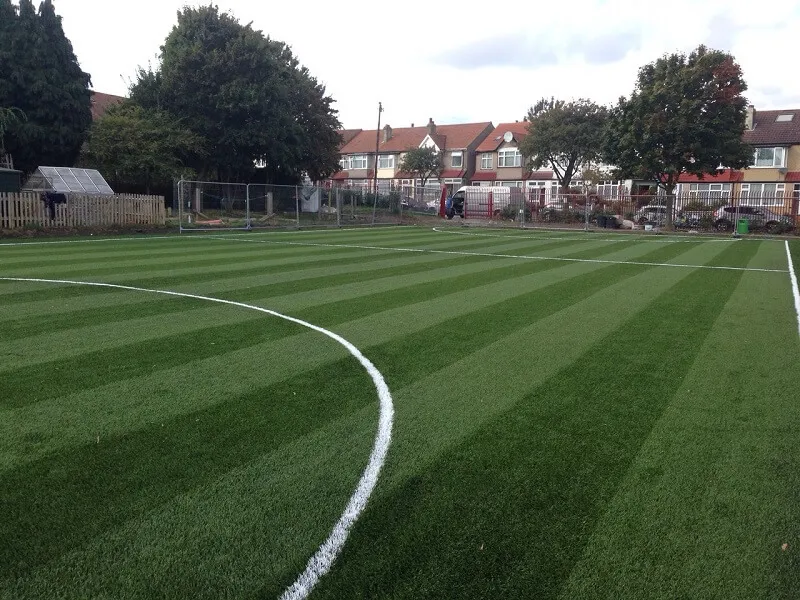
A 2G pitch is a second-generation artificial grass surface with a short, dense pile of around 13mm to 25mm that is filled or dressed with sand, giving the fast, true ball roll that hockey needs and a hard-wearing finish for tennis courts and multi-use games areas.
Sand-dressed 2G is the usual surface for hockey clubs and schools that play hockey first, and a 2G multi-use games area carries netball, tennis and five-a-side on one fenced court. 2G is too firm for regular contact rugby and is not the surface the FA registers for competitive football. There is more on hockey surfaces on our page on why clubs choose an artificial hockey pitch.
Is a 4G pitch better than a 3G pitch?
A 4G pitch is not proven to be better than a 3G pitch: 4G is a marketing name for newer carpets that use little or no rubber infill, and it has no separate test standard from the FA, FIFA or World Rugby, so a "4G" surface is still certified against the same 3G performance tests.
The appeal of a non-infill or reduced-infill carpet is lower maintenance and less loose rubber leaving the pitch. The trade-off is that without a deep infill the surface can feel firmer, the ball can roll faster and bounce higher, and the shockpad has to do more of the work. We explain our own view of the 4G label on the 4G football pitch surfacing page and cover unfilled synthetic sports turf separately.
With regards to 4G fourth generation surfacing, 5G fifth generation surfaces and 6G sixth generation flooring then the designs are varied at present. Some are pushing a non infill carpet for the 4G sports pitches and yet the 5G artificial grass is said to be fully rubber crumb infill. However these are all speculations at present and no accredited governing body has approved these designs from IRB, FIH, FA, RFU or FIFA.
Many people compare 3G and 4G pitch designs, but at the moment they are very similar and the official classification is 3G.
What is a 5G football pitch?
A 5G football pitch is a sales name for an all-weather artificial football surface, usually described as having a full rubber crumb infill. No governing body has a 5G category, so a 5G pitch is tested against the same football standards as a 3G pitch.
The difference between a 4G and a 5G pitch is the infill: a 4G carpet is marketed with little or no rubber infill, while a 5G carpet is marketed with a full rubber crumb infill. Neither name has a governing-body category, so both are tested against the same standards as 3G. You may also see 5G sold as 5G grass or 5G astroturf; it is the same idea.
Are 6G or hybrid grass pitches real?
A 6G pitch is not a recognised surface, as no governing body defines a sixth generation of artificial grass, but hybrid grass pitches are real: a hybrid pitch is natural grass reinforced with synthetic fibres stitched or woven into the rootzone, used in professional stadiums and training grounds.
Hybrid systems need natural grass growing conditions, mowing and specialist renovation, so they suit professional venues rather than a school or community pitch that is booked every evening. For year-round community use, a certified 3G pitch remains the practical choice.
Which governing bodies approve artificial grass pitches?
Artificial grass pitches in the UK are approved by testing against the standard of the sport played: the FA register for football, FIFA Quality and FIFA Quality Pro for football, World Rugby Regulation 22 for rugby, and the FIH for hockey, each checking ball roll, shock absorption and traction on site.
- Football: a 3G pitch used for affiliated matches is performance tested and listed on the FA Register of Football Turf Pitches, and retested at set intervals to stay on it.
- Rugby: pitches used for contact rugby are tested to World Rugby Regulation 22, which sets the shock absorption and head injury criteria for the shockpad and carpet together.
- Hockey: water-based and sand-dressed 2G pitches are tested to FIH standards.
Because certification is for the whole system on site, the shockpad, the base levels and the infill depth all matter as much as the carpet. We build each pitch to the sports pitch specification its governing body tests against.
How much does a 3G pitch cost?
A 3G pitch costs from around £30 to £60 per square metre installed, so a full-size pitch runs into the hundreds of thousands of pounds once the engineered base, drainage, shockpad, fencing and floodlighting are included. These are indicative figures to confirm at survey, not fixed prices.
The biggest cost drivers are the groundworks under the carpet, the pitch size, whether you are building new or resurfacing on an existing base, and the extras such as rebound fencing and floodlights. A 5-a-side pitch or a small MUGA costs far less than a full-size pitch. There is a fuller breakdown on our 3G football pitch costs page.
How long does a 3G pitch last?
A 3G pitch carpet lasts around 8 to 10 years with regular maintenance, depending on how many hours a week it is played on, while the engineered base and shockpad underneath usually outlast several carpets and can be kept when the pitch is resurfaced.
Brushing, infill top-ups and an annual deep clean keep the fibres upright and the pitch draining, which is what keeps it passing its performance tests. Our guide on how to maintain a 3G pitch in winter covers the routine, and when the carpet is worn out we strip and relay it as 3G pitch resurfacing contractors.
What infill is used in a 3G pitch?
A 3G pitch uses two infills: a stabilising layer of silica sand at the base of the pile, and a performance layer of rubber crumb on top, usually recycled SBR rubber from tyres, which gives the surface its shock absorption, grip and natural ball bounce.
Alternatives include coated rubber, EPDM granules, and natural infills such as cork. Infill choice is under review because of loose rubber leaving the pitch: in the EU, Regulation (EU) 2023/2055 bans the sale of loose polymer infill for sports pitches from October 2031, while Great Britain has no equivalent ban in force at the time of writing. We cover rubber infill in 3G, 4G and 5G pitches and rubber crumb top-ups in more detail.
What boots should you wear on a 3G or 4G pitch?
The right boots for a 3G or 4G pitch are artificial ground (AG) boots or firm ground boots with short moulded studs, because they grip the long pile and rubber infill without sinking in, while metal studs and long blades are banned by most pitch operators to protect the carpet.
On a short-pile 2G surface, such as a sand-dressed hockey or MUGA court, flat-soled turf trainers (often sold as "astro trainers") give better grip than studs. Always check the venue's own footwear rules before you play.
Get a Quote
If you would like information on the costs, prices, quotes and specifications of the construction of a full size artificial field or even a small sided football MUGA then please fill in the contact form.
 3G Artificial Grass Construction in Liverpool
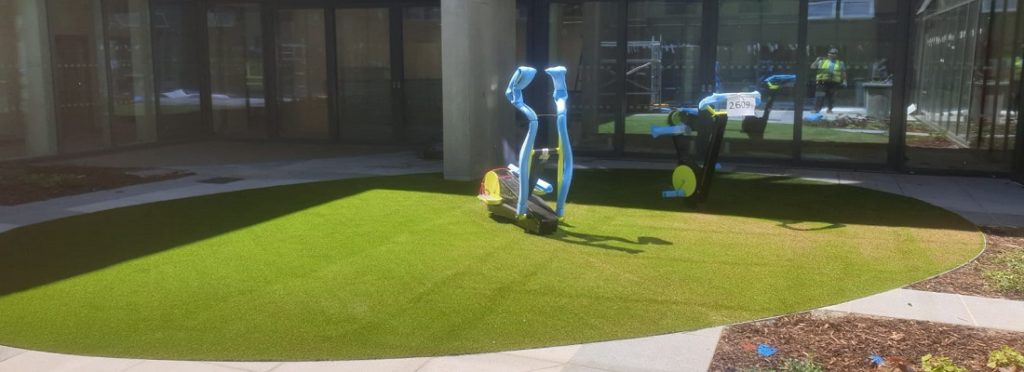 3G Artificial Pitch Surfacing in Whitehall, London
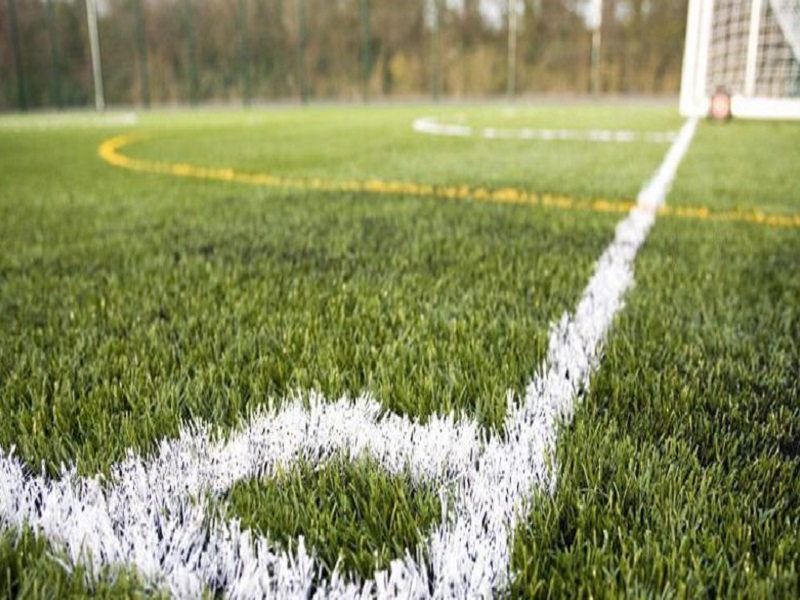 3G Artificial Sports Pitch Construction in Woking, Surrey
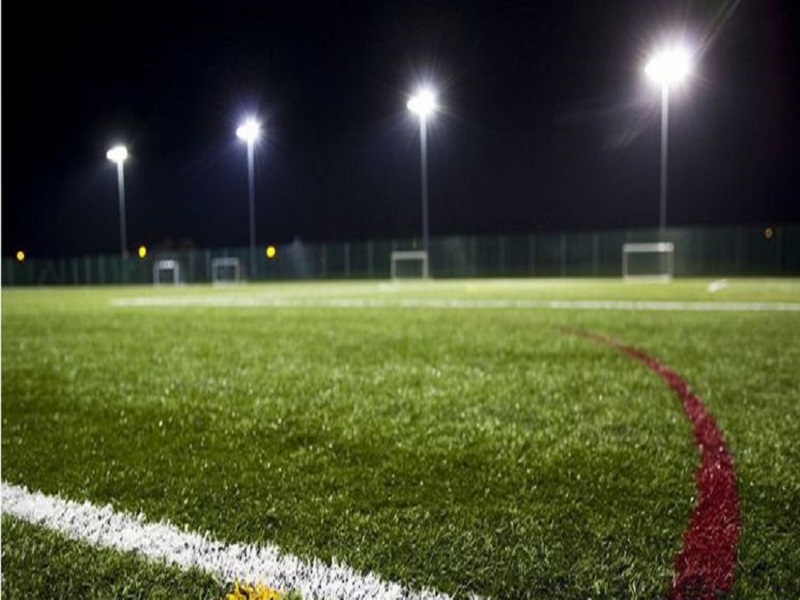 3G Artificial Sports Pitch Resurfacing Contractors
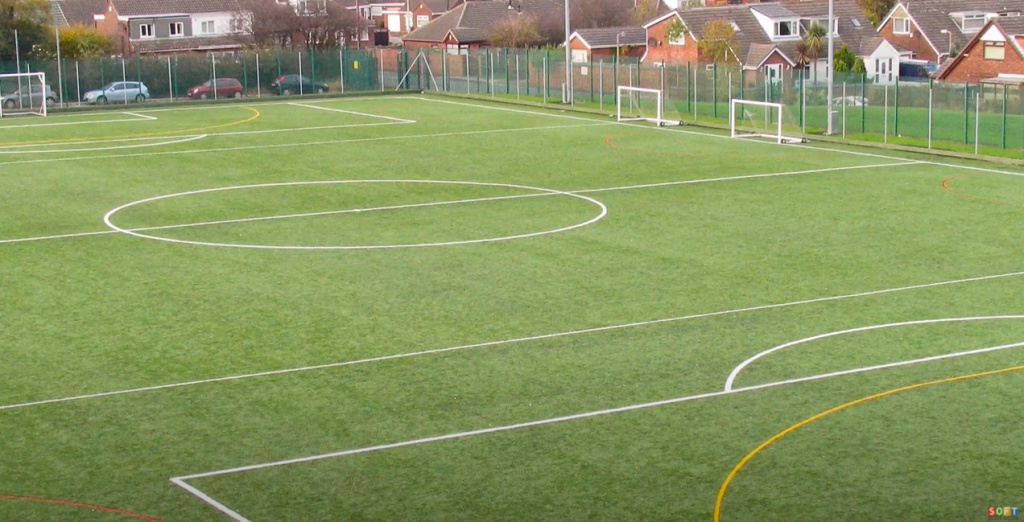 3G Artificial Sports Pitch Resurfacing in Woking, Surrey
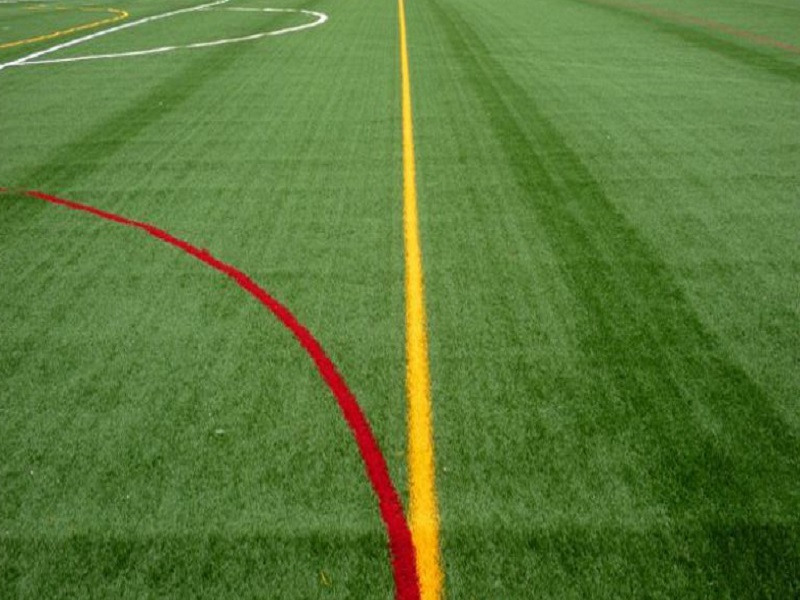 3G Football Pitch Resurfacing in Cheltenham Gloucestershire
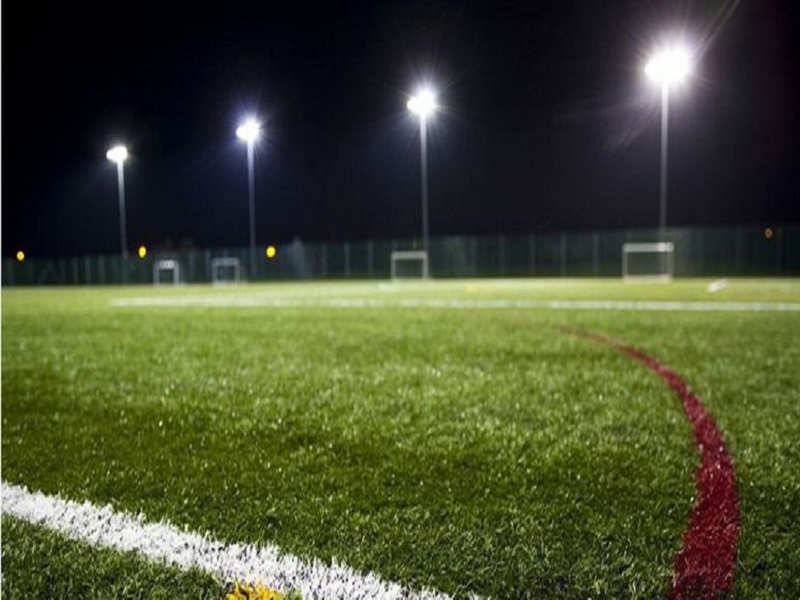 3G Football Pitch Resurfacing in Hackney, London
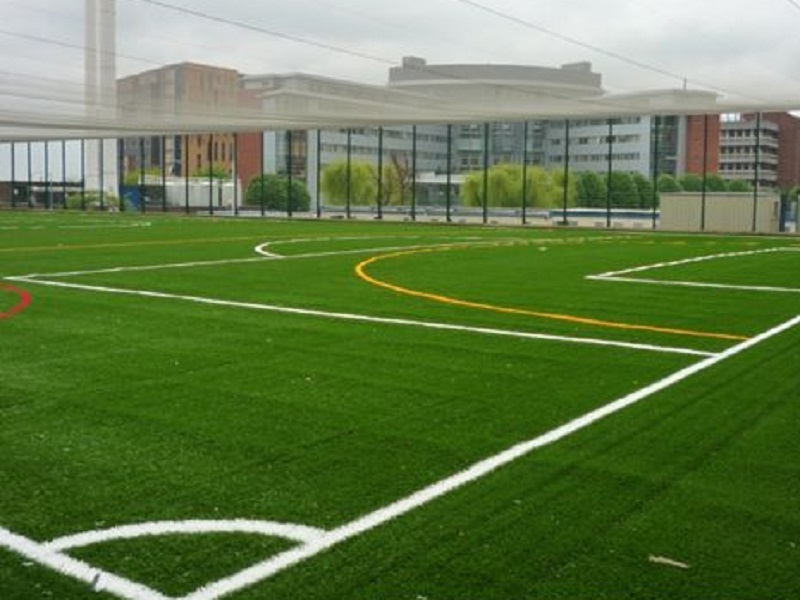 3G Grass Installation in Bournemouth, Dorset
- 3G Grass Pitch Installation in Bradford, Yorkshire
Show all 31 related pages
- 3G Pitch Construction in Birmingham, West Midlands
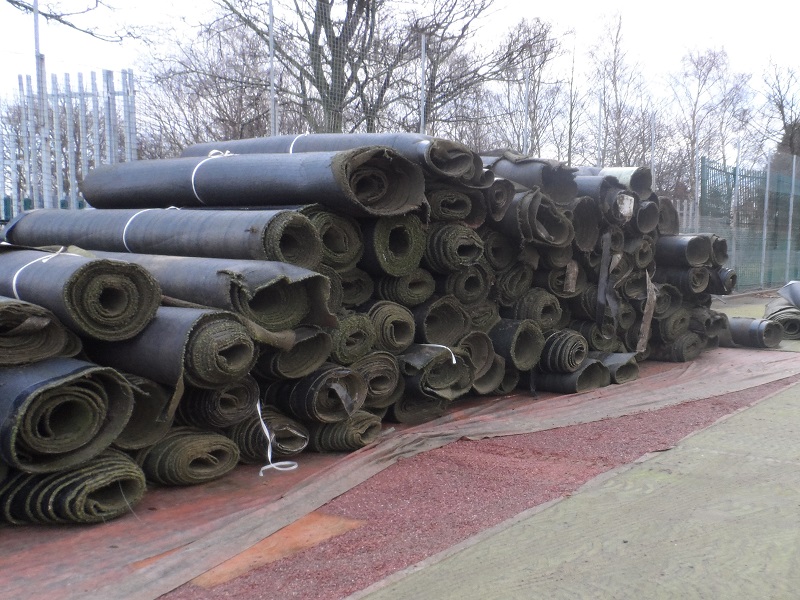 3G, 4G, 5G, 6G Artificial Synthetic Grass Pitches Explanation
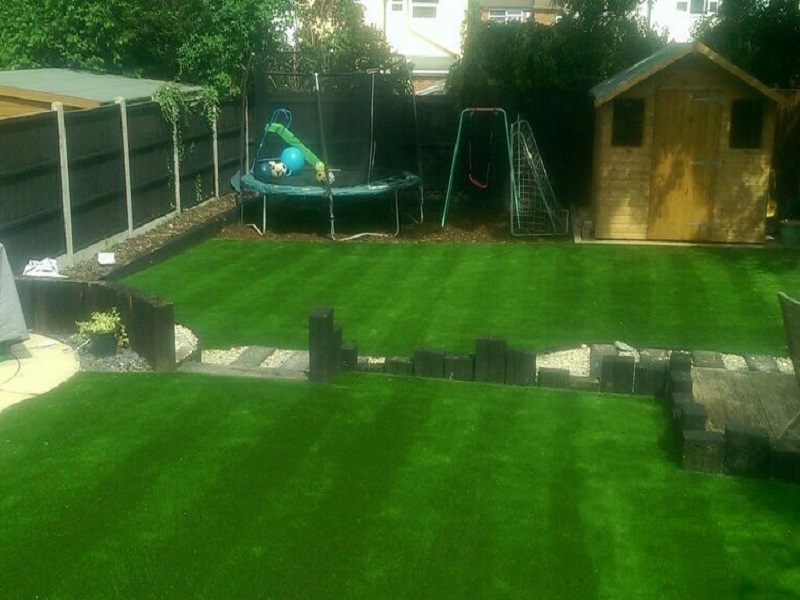 4 Reasons Why Schools Have Artificial Grass
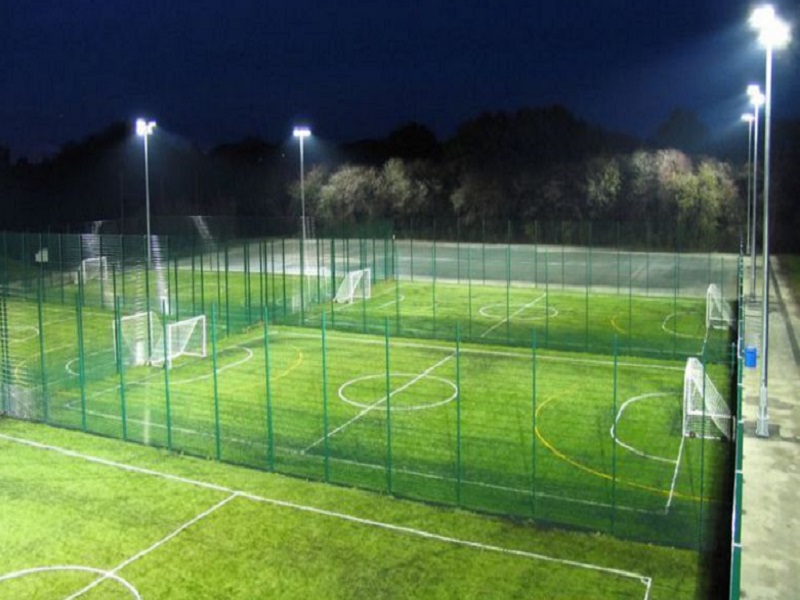 5 Reasons Why Your Artificial Grass May Have Melted
- 5-a-Side Football Pitch 3G Artificial Grass Surfacing in Liverpool
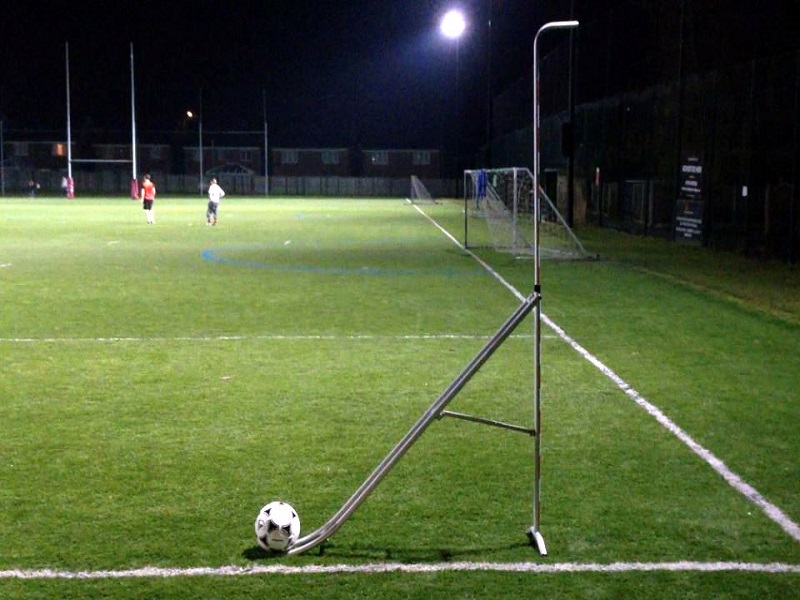 5-a-Side Football Pitch Construction With 3G Artificial Turf
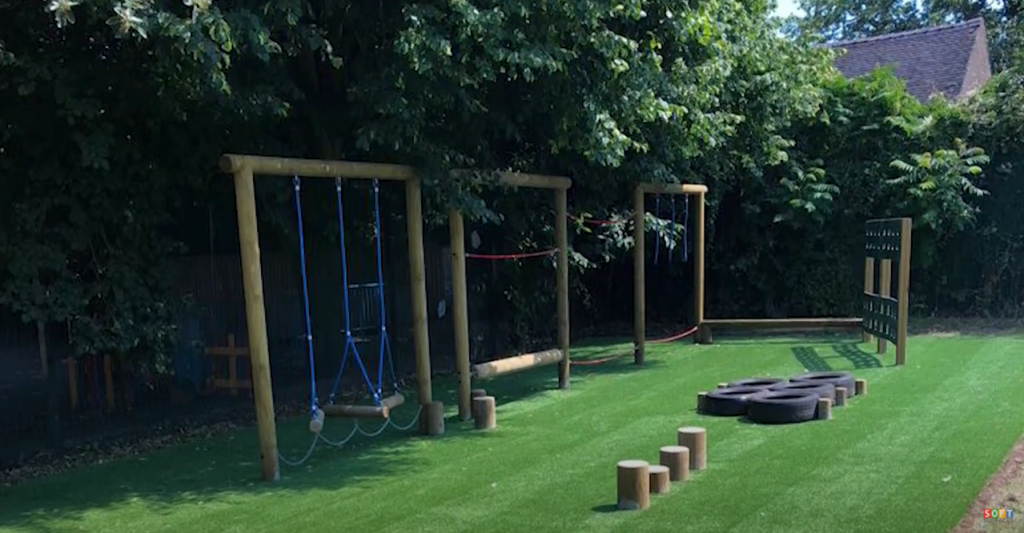 Artificial Grass and Rubber Mulch Surfacing in Derby, Derbyshire
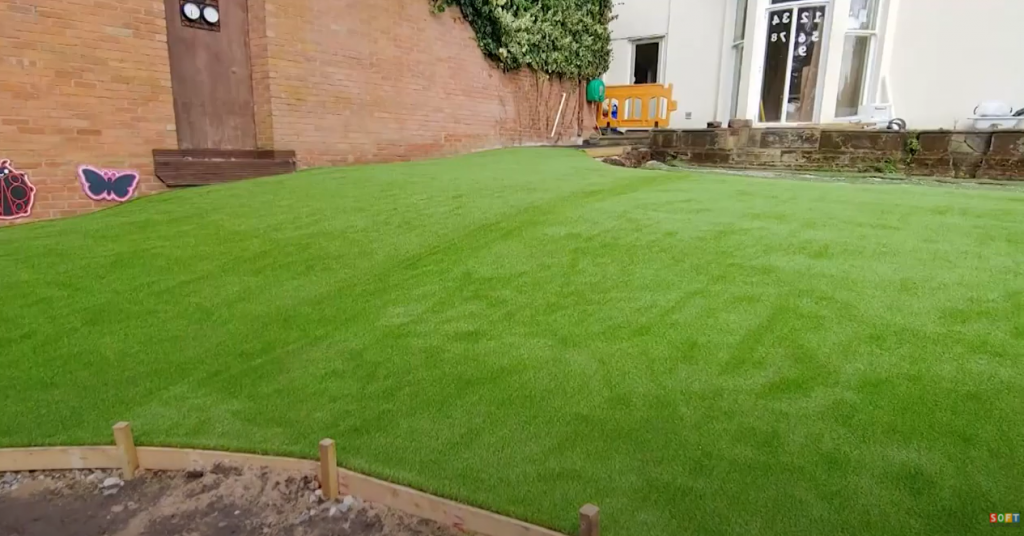 Artificial Grass and Wetpour Pathway Installation at a School in Birmingham
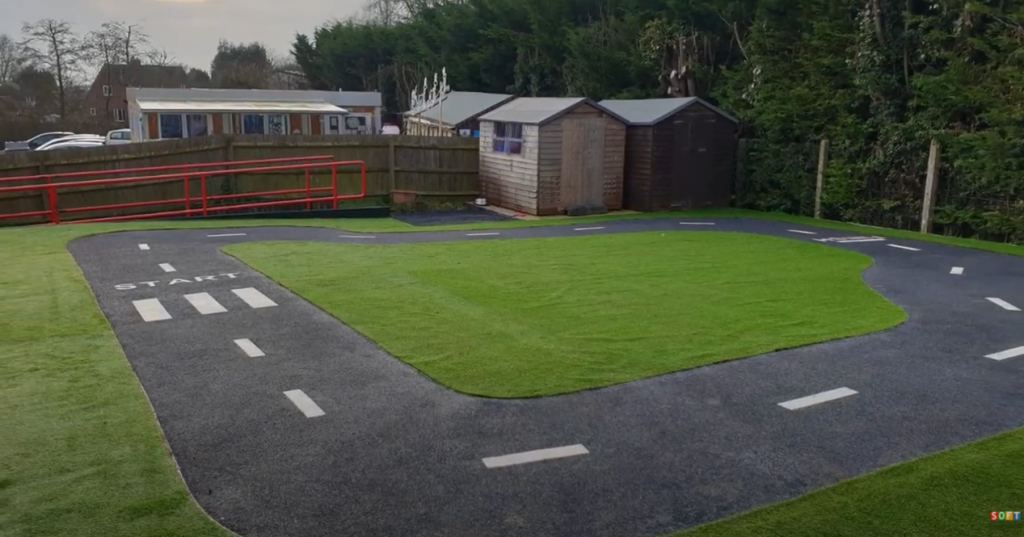 Artificial Grass and Wetpour Roadway Construction in Liverpool
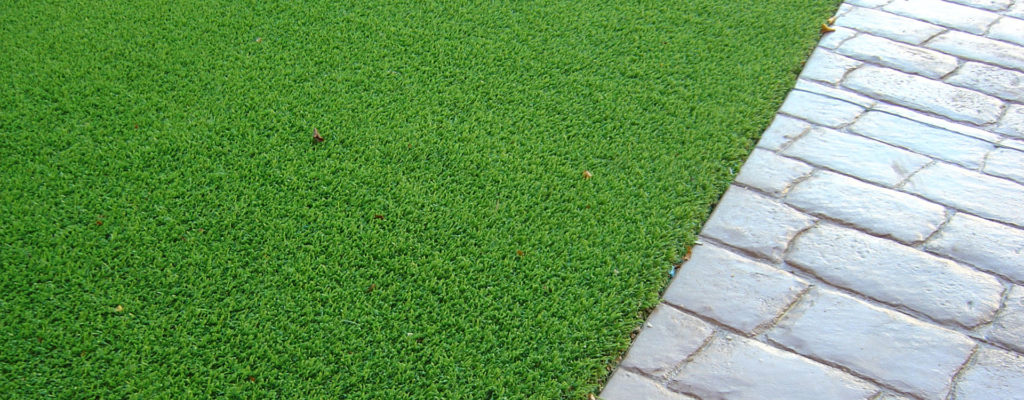 Artificial Grass Football 3G Pitch Costs
- Artificial Grass Installation in Swarkestone, Derby
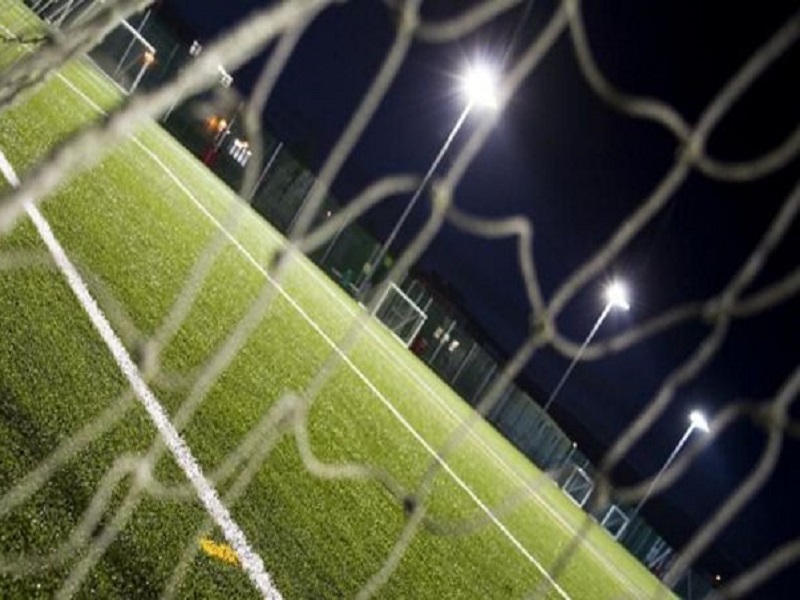 Artificial Grass Nursery Play Area Flooring
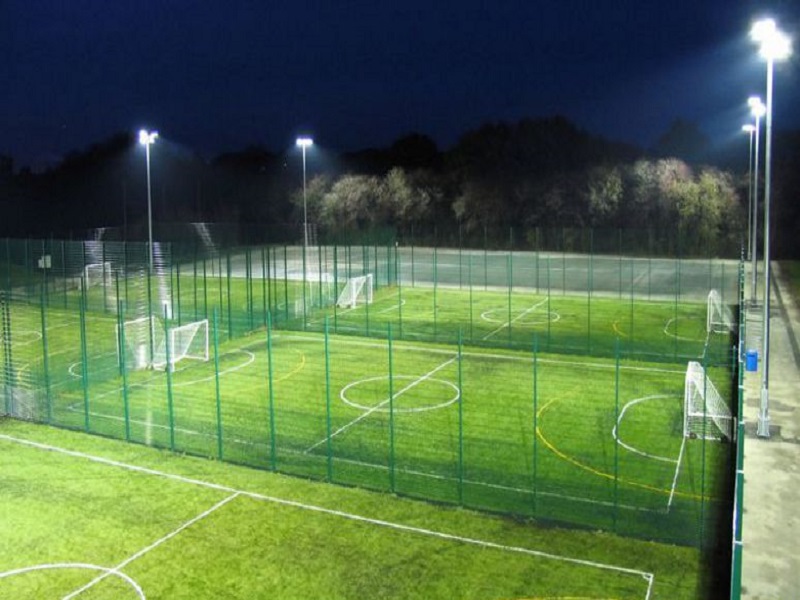 Artificial Grass Pitch Construction in Liverpool, Merseyside
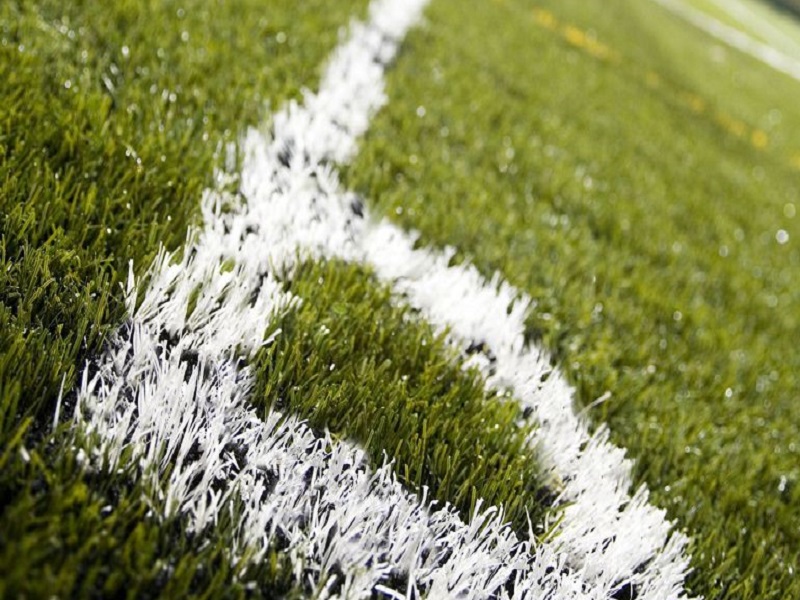 Artificial Grass vs Natural Garden Lawns
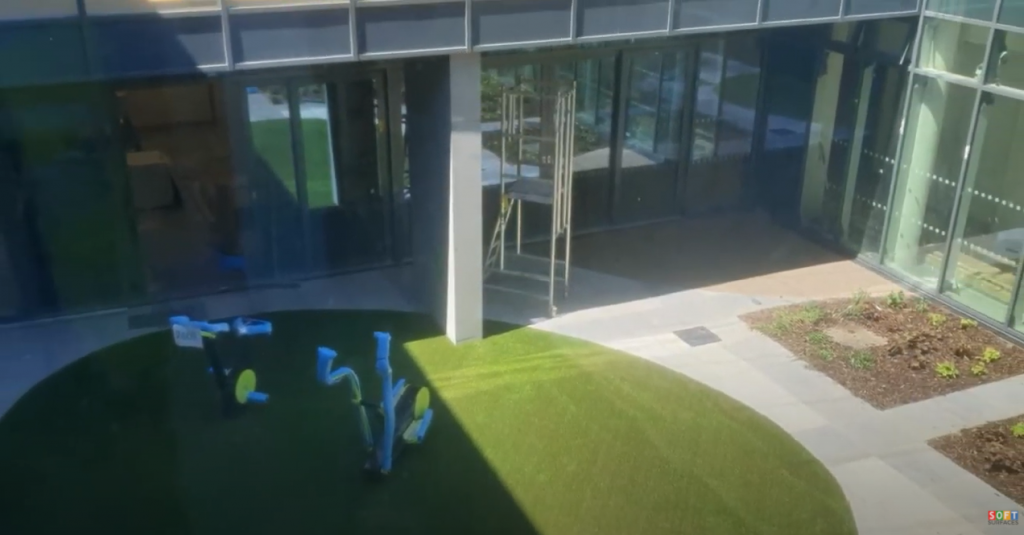 Artificial Grass with Rubber Shock Pad Installation at St Ann's Hospital, London
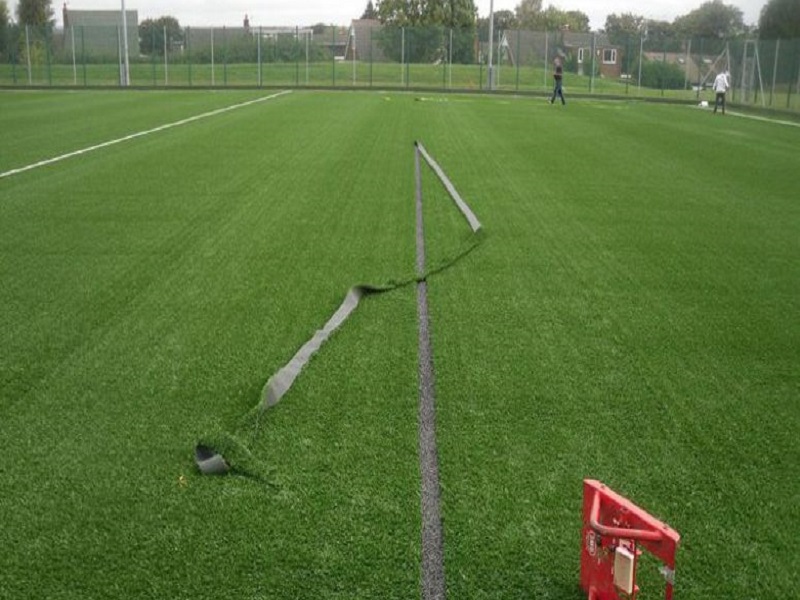 Artificial Pitch Framework Contractors
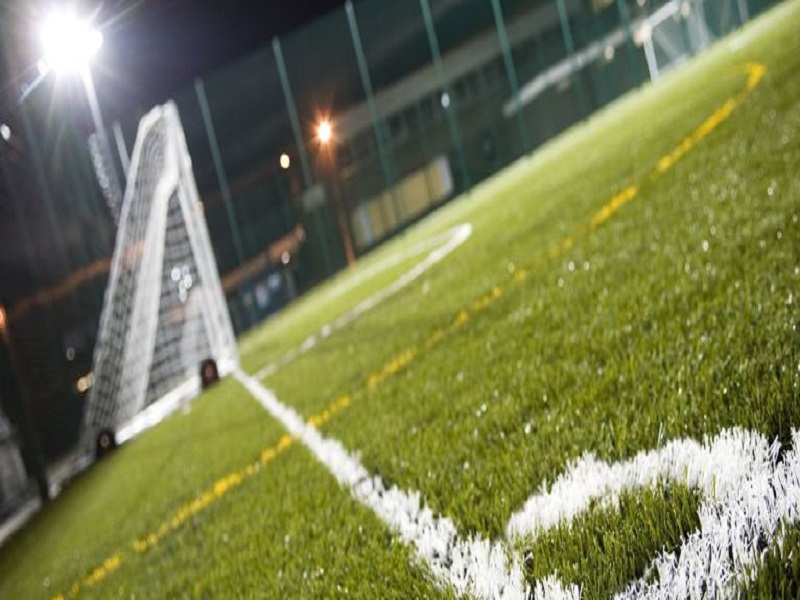 How Is Artificial Grass Installed?
- Playground Grass Mats Safer Flooring
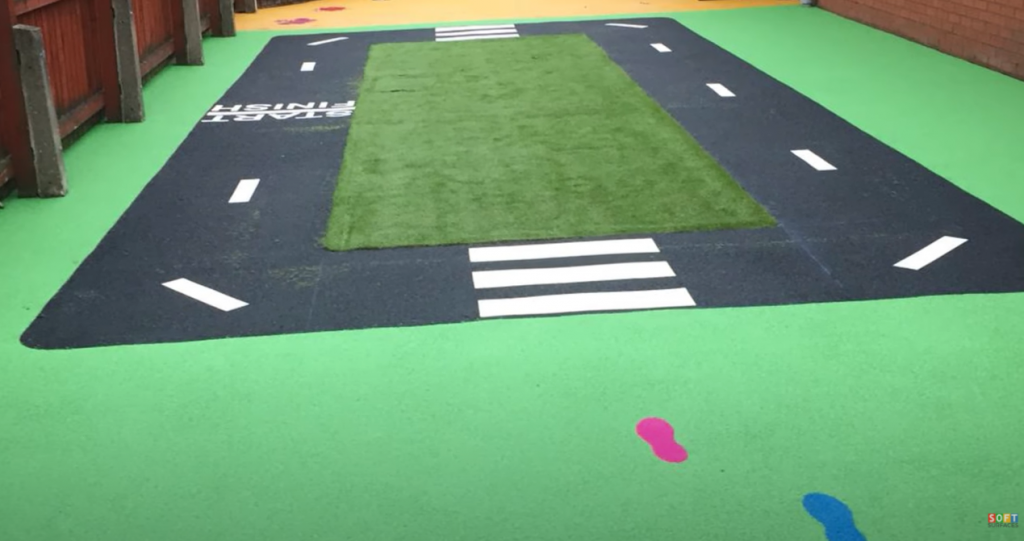 Rubber Playground Flooring With Artificial Grass in Worthing, West Sussex
- Synthetic Grass Surfacing Options
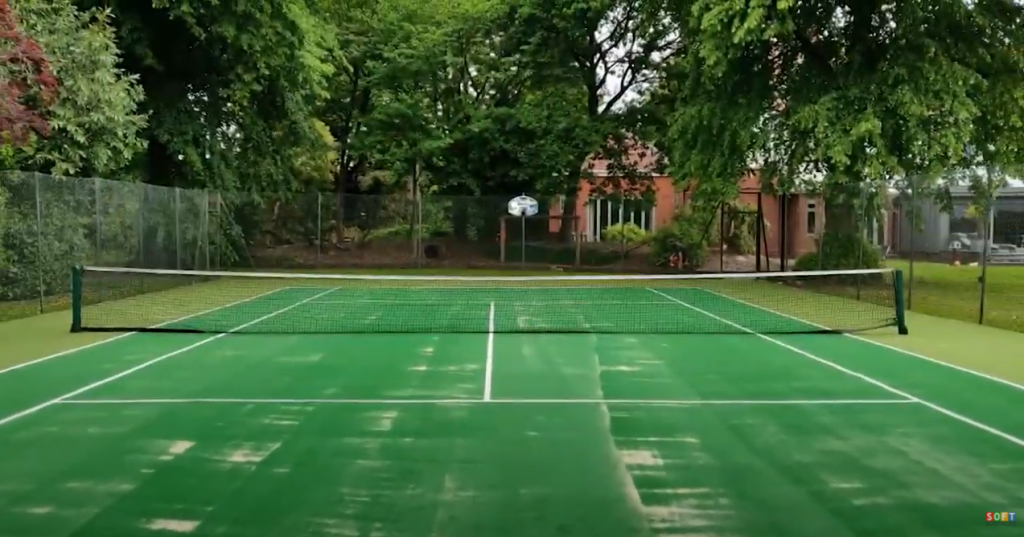 Synthetic Turf Tennis Court Installation in London
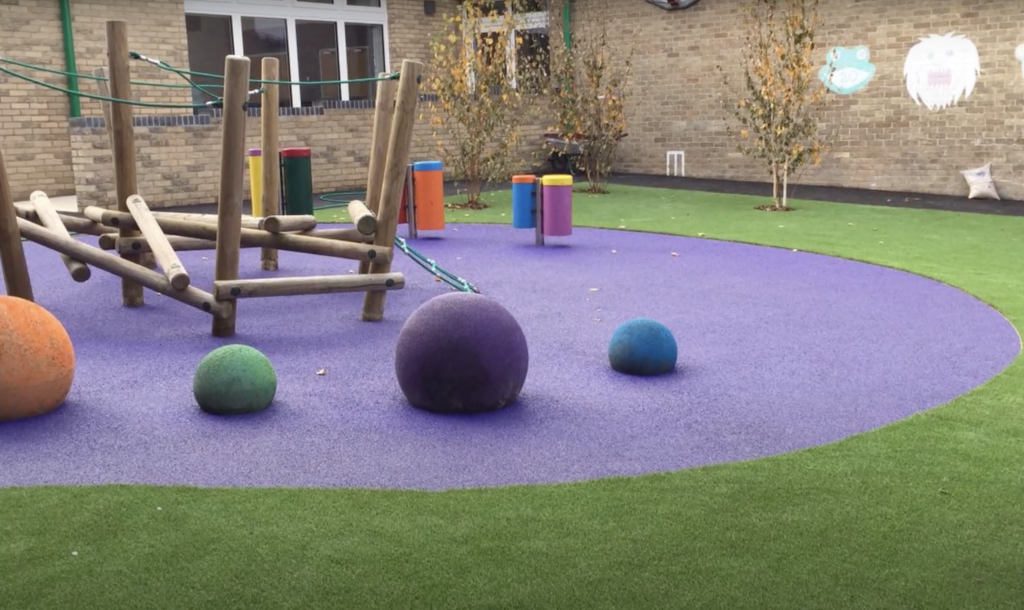 Wet Pour Surfacing and Synthetic Turf Construction in Worthing, Sussex
Let us know what you need and we can send you all the information on sports fencing, basework specifications, shockpads, drainage and much more. We can also supply product sheets on similar designs to the 4G pitch specification to help you decide on the best option.