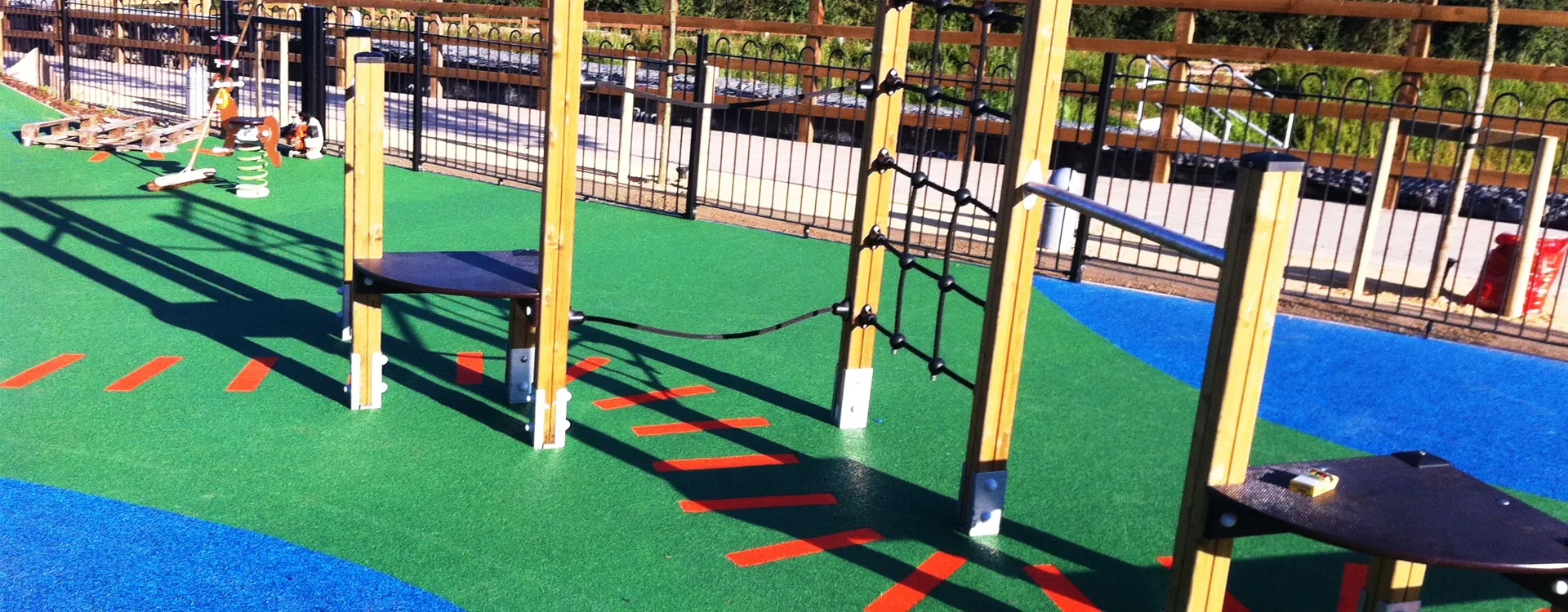
Guidance has been produced regarding kids play with two main sources of information: Fields in Trust (FIT), formally NPFA, and Play England. Play England provides advice on the quality of the play space and the philosophy of children’s play, whilst FIT continues to provide quantitative advice on the type and number of provisions.
New FIT guidelines were introduced in August 2008 to update ‘The Six Acre Standard’. These new guidelines are entitled Planning and Design for Outdoor Sport and Play’ (PAD). The following points are of particular relevance for residential developments:
- Playground areas no longer have to provide a set number of pieces of play equipment, but rather play experiences, for example, a LEAP has to provide a minimum of six experiences and a
- NEAP has to provide a minimum of nine play experiences. Therefore a scheme could theoretically be achieved without equipment.
- For higher density developments, particularly ‘brownfield’ sites, the play area buffer zone may be reduced around LEAPs which could result in a reduction from 3600m2 to 1600m2 and a consequently larger developable area.
- You no longer need to enclose a play area within a fence, only if the play area abuts a road, watercourse or another hazard.
- Local Landscaped Area for Play is a new designation that sits between a LEAP and a NEAP. Fundamentally this is an unequipped space that is specifically laid out to encourage imaginative play for all ages.
- The methodology of assessing existing play spaces has changed and is now based on a points system which will conclude if the local provision is of high quality and experience.
Local Playground Designs
Recently, research has been undertaken into how kids use play spaces and how we can improve their play areas by providing stimulating and challenging experiences. Historically, the National Playing Fields Association (NPFA) provided this advice and was established to set benchmark standards to outline and protect the amount of designated open space, play and outdoor sports facilities close to where people live. More recently, Play England, part of the National Children’s Bureau, has become the forerunner in the philosophy of children’s play.
The NPFA produced ‘The Six Acre Standard’ originally in the 1930s to ensure that everyone had access to play and sports facilities close to where they live. These standards were then adopted by Local Planning Authorities and incorporated into their planning policies and planning conditions for development sites.
The NPFA then re-branded themselves as the Fields in Trust (FIT) and produced the updated version of their guidelines, entitled: ‘Planning and Design for Outdoor Sport and Play’ (PAD). These new guidelines advise on the latest legislation and public policy and also provide advice on climate change, SUDS and sustainable communities.
PAD has similar principles to The Six Acre Standards, with a few main changes:
- Play criteria of Local Equipped Area for Play (LEAP) and Neighbourhood Equipped Area for Play (NEAP)
- Means of enclosing a playground area
- Introduction of the newly created ‘Local Landscaped Area for Play’
- Methodology of auditing existing play spaces
Specifications of LEAP and NEAP
LEAPs are to be designed and laid out specifically for children who are beginning to go out and play independently and has a minimum activity zone of 400m². The main change to the play criteria is that the area is to provide play experiences (rather than a set number of pieces of equipment).
Space is therefore to be designed to provide a stimulating and challenging play experience and PAD recommends that a minimum of six play experiences (from their list) are to be provided. The outdoor play area should also have a buffer zone of at least 20m in depth which contains varied planting, giving an overall area of 3600m². It is worthy of note that, for higher density developments, particularly Brownfield Sites, the play area buffer zone may be reduced under the new guidelines.
NEAPs are to be designed and laid out specifically for older children and have a minimum activity area of 1000m², with 465m² of the area laid out for a kick-about area. Like the LEAP, the main change to the play criteria is that the area is to provide play experiences (rather than a set number of pieces of equipment). Space is therefore to be designed to provide stimulating and challenging play experiences and PAD recommends that a minimum of nine play experiences (from their list) are to be provided, as well as bicycle parking. The play area should also have a buffer zone of at least 30m in depth, containing varied planting.
The guidelines relating to the enclosure of the play area has also changed. PAD outlines that the site should be enclosed, but this is dependent upon location. If the play area is beside a road, then fencing and gates is the ideal solution. If the site is within a larger area of open space then fencing is not required and delineation of the play space can be achieved with planting or earth mounds.
Encouraging Children’s Play
A newly created designation of a Local Landscaped Area for Play is intended to be used as an alternative to a LEAP and is intended for use by children and young people alike. There are many benefits of activity for children which can be seen with these local playground facilities.
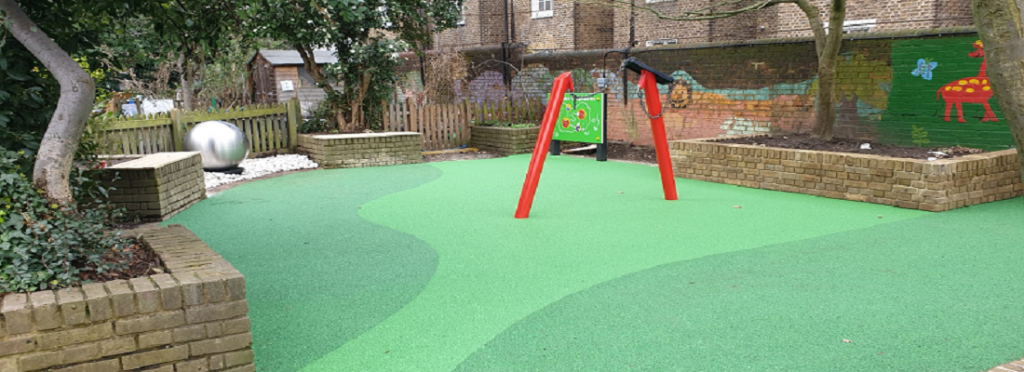
It is to be imaginatively landscaped to encourage play, although no play equipment has to be provided. The Local Landscaped Area for Play should have a minimum activity area of 900m² and is to provide a mix of areas for both physical activity and relative calm.
When considering a new development and the amount of provision that is required, the new PAD guidelines are not as clearly defined as those within the old Six Acre Standard. However, Play England (in association with the London Plan) has produced guidelines for new developments. This recommends that an audit of existing provisions is to be undertaken and then using their formulae, will conclude the type of facilities and off-site contribution required.
PAD also advises that an audit of the existing provision is of benefit and the methodology of this audit has changed within the new guidelines. The assessment is now based on a points system, where points are awarded for certain features of the existing play spaces. This will not only identify the amount of existing provision but also the quality.
Types of Local Playground
The fields in Trust/National Playing Fields Association Standards have 3 categories of equipped play areas. These are local areas for play (LAP), local equipped area for play (LEAP) and neighbourhood equipped areas for play (NEAP). The main characteristics of each category are:
LAP – Local Area for Play
The LAP is a small area of open space specifically designated and primarily laid out for very young children to play close to where they live.
LEAP – Local Equipped Area for Play
The LEAP is an area of open space specifically designated and laid out with features including equipment for children who are beginning to go out and play independently close to where they live.
NEAP – Neighbourhood Equipped Area for play
The NEAP is an area of open space specifically designated, laid out and equipped mainly for older children but with play opportunities for younger children as well.
 4 Ideas for Teaching Organisation on the Playground
 4 Reasons Why Schools Have Artificial Grass
 Activities to Teach Kindness on the Playground
 Artificial Grass and Rubber Mulch Surfacing in Derby, Derbyshire
 Artificial Grass and Wetpour Pathway Installation at a School in Birmingham
 Artificial Grass and Wetpour Roadway Construction in Liverpool
 Benefits of a Mud Kitchen for a School Playground
 Benefits of Climbing in Primary School
 Benefits of Sensory Activities for Individuals With Autism
Show all 92 related pages
 Black Wetpour Flooring Construction in Canterbury
 Children’s Play Area Flooring
 Children’s Sensory Playground Designs
 Colourful Play Area Surfacing in Sheffield, South Yorkshire
 Colourful Rubber Playground Flooring Installation in Wakefield
 Colourful UK Playground Surfacing in Bedfordshire
 Cooperative Play Ideas for Kids
 Costs of Schools Playground Safety Surfaces
 Creating a Storytelling Area in Your Playground
 Day Care Playground Safety Flooring in Stoke, Staffordshire
 Den Building Ideas for Schools
 Early Years Outdoor Play
- Educational Playground Surface Installation in Brighton
 Encouraging Risk Taking in Outdoor Play
 EPDM Rubber Play Area Flooring in Luton, Bedfordshire
 EPDM Rubber Play Area Surfacing in Leeds, West Yorkshire
 EPDM Rubber Wetpour Flooring in Newcastle, Tyne and Wear
 Expressive Arts Playground Ideas
 How to Prepare Your Playground for Winter
 How to Refresh Your School Playground
 Imaginative Play Ideas for Kids
 Impact Attenuating Playground Surfacing
 Inclusive Playground Equipment for Schools
 Independent Learning Activities for Kids
 Lap, Leap, Neap Play Area
 Large Wetpour Play Area Surface in Stockport
- Learning Through Play: Psychology and Theories
- Managing Behaviour Through Active Outdoor Play
 Needlepunch Playground Construction in Kilmarnock
 Nursery EPDM Rubber Surfacing in Wolverhampton
 Nursery Play Area Surfacing
 Nursery School Green Wetpour Overlay in Gloucester
- Ofsted Requirements for Outdoor Play
- Outdoor Maths Games for Children
 Outdoor Nursery School Surfacing in Preston
- Outdoor Play Area Ideas for Kids
 Outdoor Play Ideas for Children With Dyscalculia
 Outdoor Playground Roadway Design
 Outdoor Wetpour Surfacing Install in Leicester
 Play Area Line Marking Specification
 Play Area Maintenance
 Playground Activities for the National Curriculum
- Playground Designs for Sensory Processing Disorder
 Playground Equipment for Schools
- Playground Fencing
- Playground Flooring Repair in Birmingham, West Midlands
 Playground Games for Children With Dyspraxia
 Playground Games to Encourage Speech Development
 Playground Grass Mats Safer Flooring
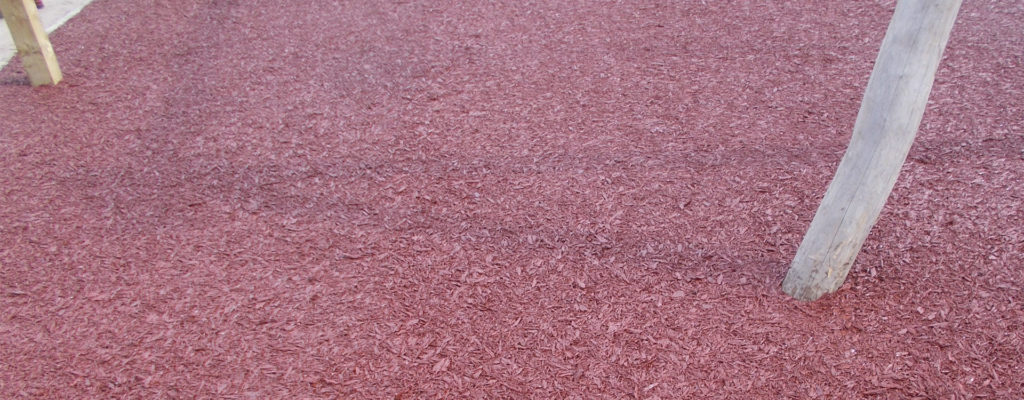 Playground Safety Surface Construction in Reading, Berkshire
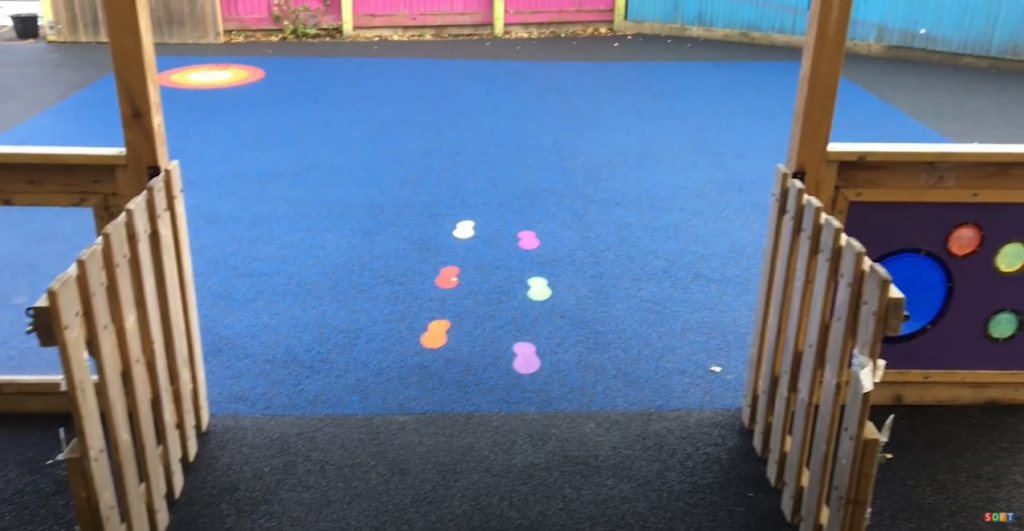 Playground Safety Surfacing with Graphics in Shropshire
 Playground Surfacing Options
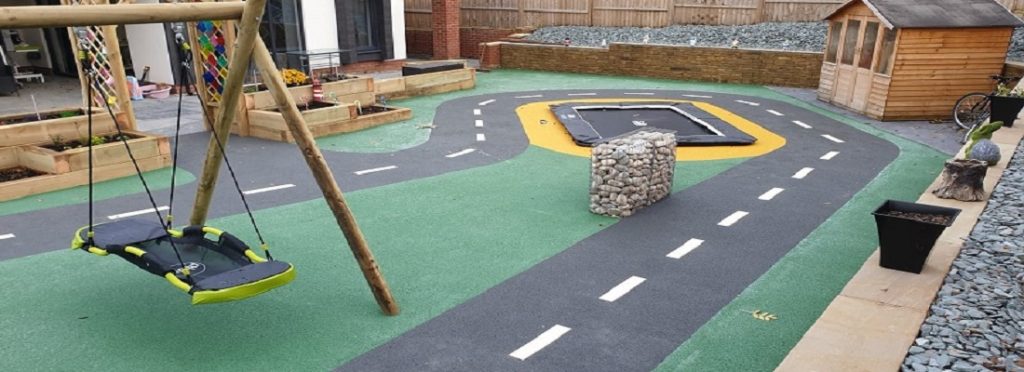 Playground Wet Pour Flooring in Northamptonshire
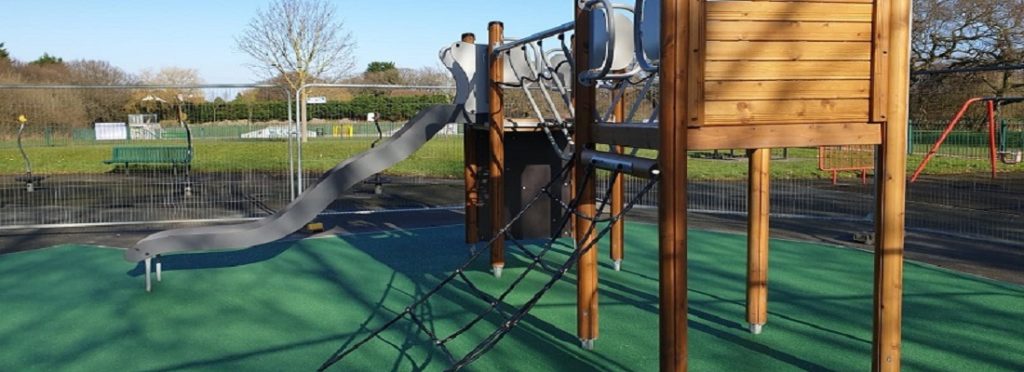 Playground Wet Pour Flooring in Nottinghamshire
- Playground Wet Pour Flooring in Oxfordshire
- Poured in Place Rubber Bouncy Playground Surfaces
 Pre-School Play Area Surfacing in Wigan
 Primary School Outdoor Classroom Funding Grants
 PS4 Activity Games Space Area in Penrith
 Q26: Wetpour Playground Safety Surfacing
 Rubber Playground and Artificial Grass Surfacing in Middlesbrough
 Rubber Spheres Play Equipment
 Rubber Tarmac Flooring
 Sand and Water Play Activities for Kids
- School Adventure Trail Designs
 School All Weather MUGA Pitches
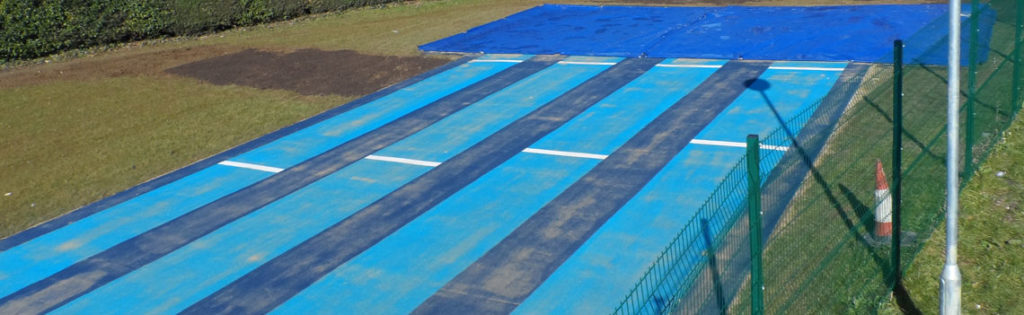 School Athletics Track Designs
- School Playground Design and Install in Manchester
- School Playground Groundworks
- School Playground Ideas
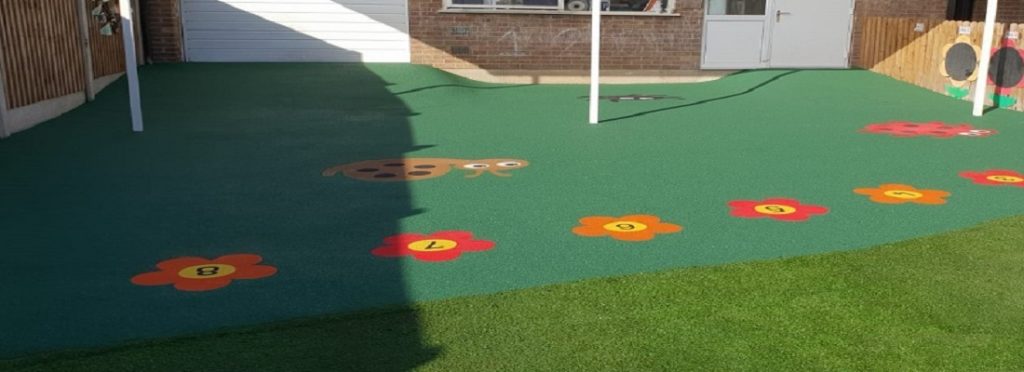 School Playground Marking Designs
- School Playground Surfacing
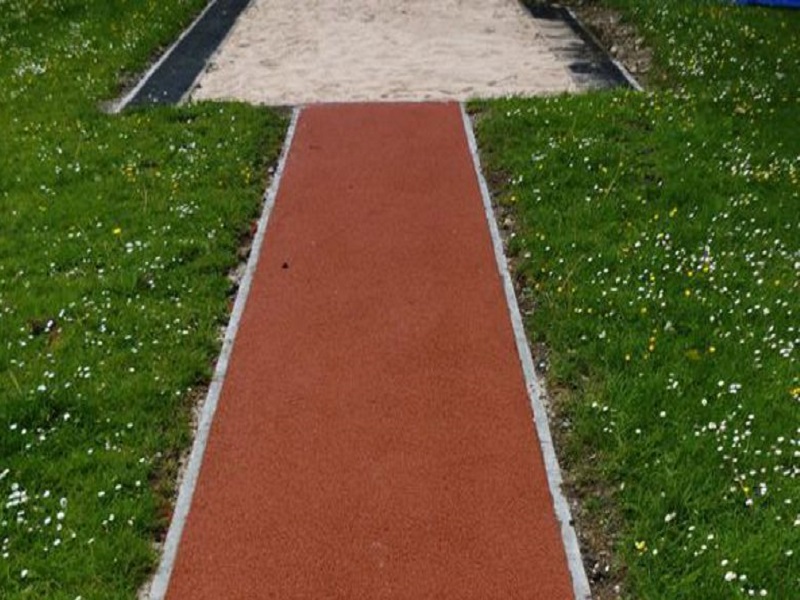 Schools Recreational Long Jump Runway Length
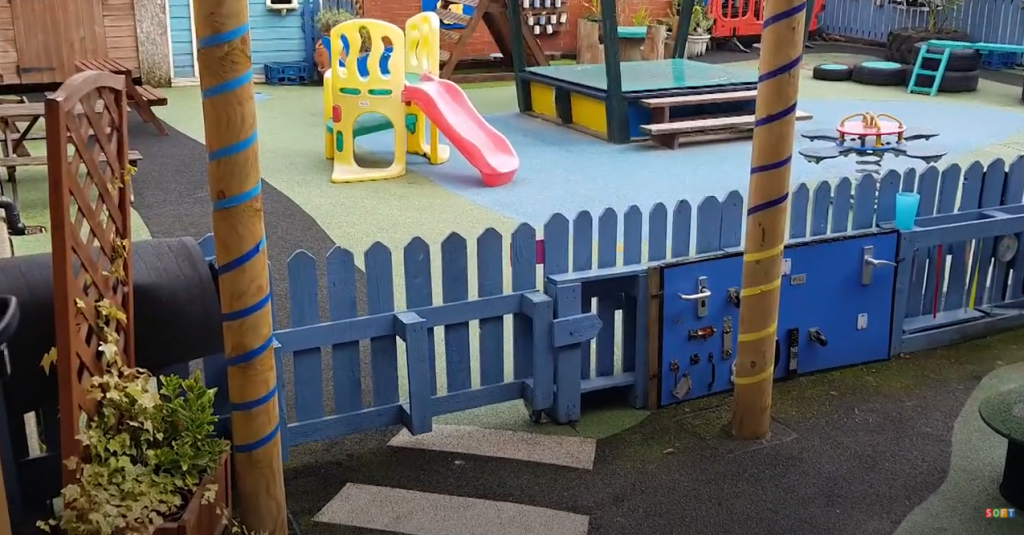 Spongy Nursery School Surfacing in Carlisle
 Spongy Playground Flooring Construction in Woking, Surrey
 Tests for Playground Safety Flooring
- Top 3 Safety Surfaces for Playgrounds
- Top 5 School Playground Trends
 Wet Pour Surfacing and Synthetic Turf Construction in Worthing, Sussex
 Wetpour Flooring & Graphics Installation in Bristol
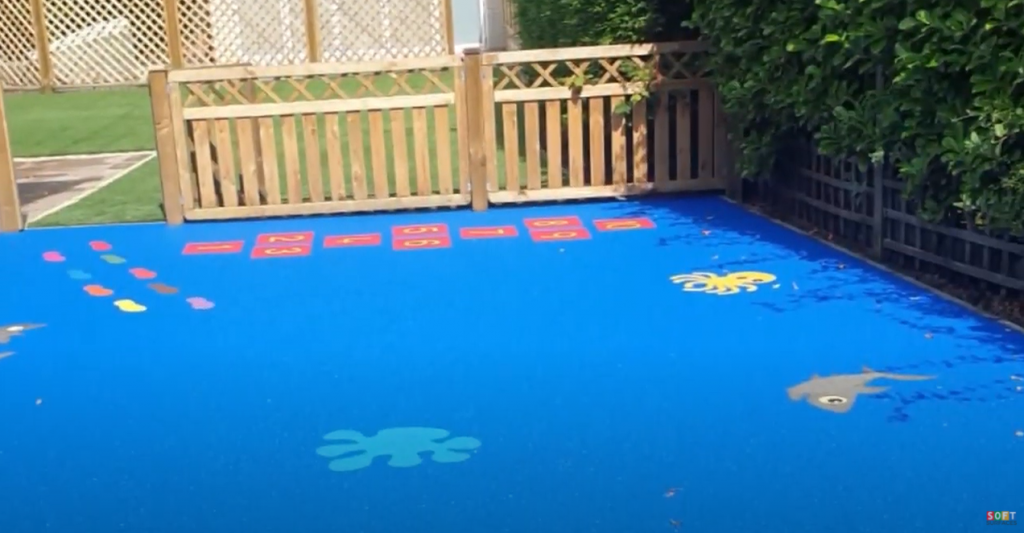 Wetpour Playground with Graphics in Salford, Greater Manchester
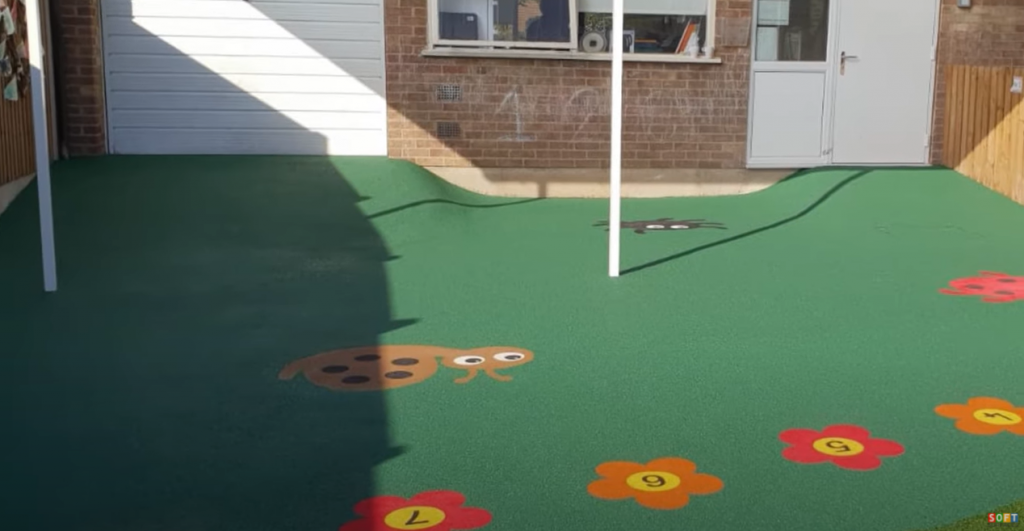 Wetpour Safety Flooring with Graphics at a Nursery in Cheltenham, Gloucestershire
- What Is Critical Fall Height?
Get in Touch
If you would like some more information about installing these play facilities please contact us. We can provide details on pricing for LEAP and NEAP surfaces along with a variety of equipment.
Just fill in our enquiry form with the details of your project and we’ll get back to you as soon as possible.


