Schools often have favourite activities which they promote a lot more. Ranging from athletics to garden trips, it really depends what school you go to. However, one activity that a lot of schools promote and that works incredibly well is storytelling.
Today’s post will explore more about the activity and how you can incorporate it into your curriculum. Check out this previous post to learn more about National Curriculum play activities. Creating a storytelling area in your playground doesn’t have to be difficult or involve a lot of expensive equipment.
School Story Time Equipment
Creating an environment to tell stories must be done perfectly. You can choose different types of school story time equipment to suit what you need. You’ll want to create a relaxing space that also captures children’s imaginations. The aim of telling a great story is to get the audience (in this case, the pupils) to escape into the fantasy land being described. It may seem hard at first, but the equipment used during this time can really affect this point.
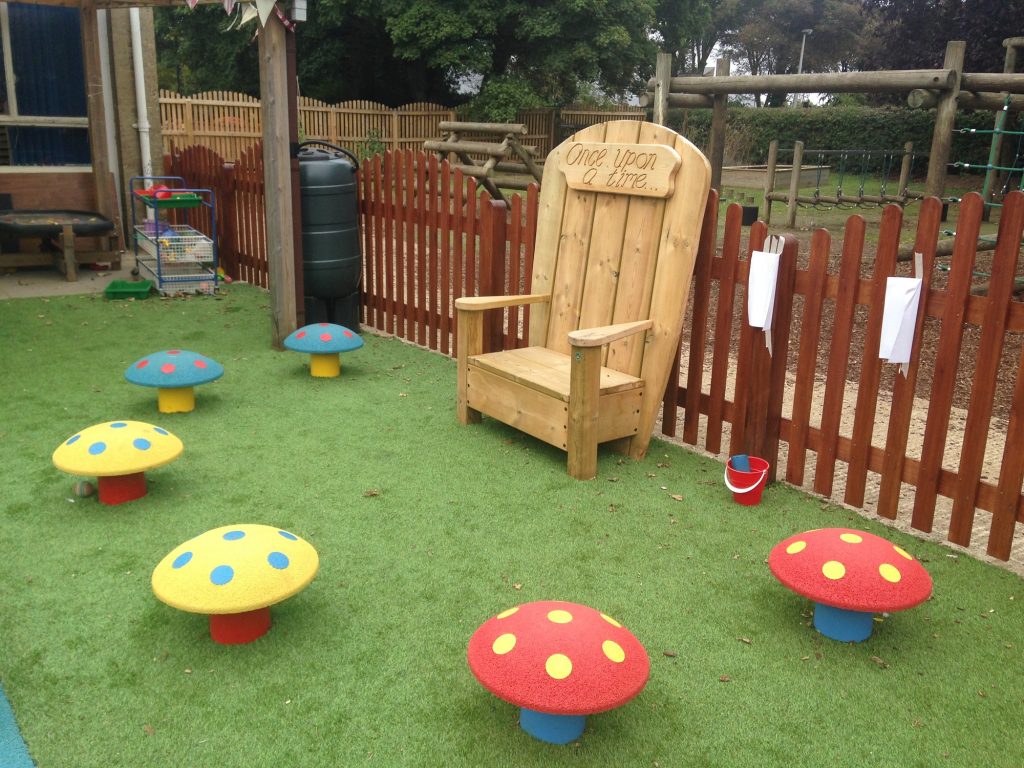
Firstly, the seats. Most storytellers sit on a big chair to give the illusion of fantasy and fairy-tale. This chair usually has a tall backrest and resembles some sort of throne which again, gives the impression of a fantasy setting and lets the kid’s imaginations go wild. However, it really is up to you what kind of seating you do for the kids. A popular choice is little mushrooms as these usually gain the kids’ attention and engages them quickly and effectively.
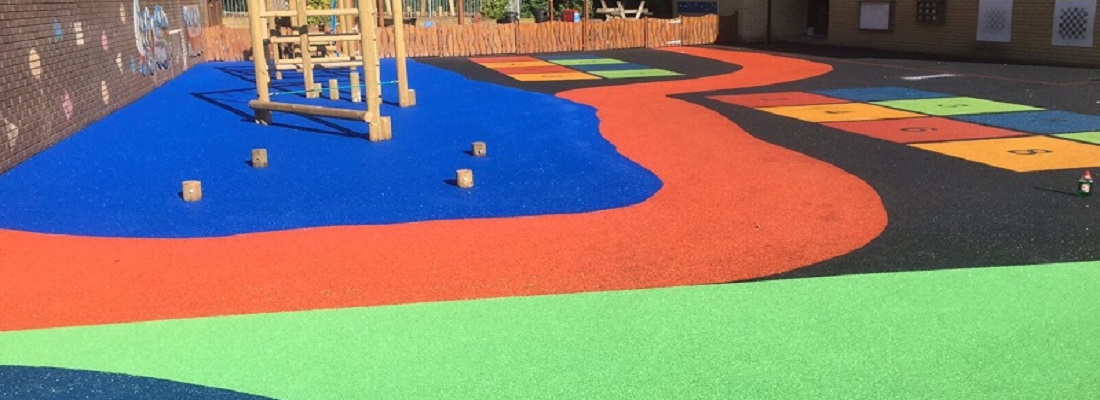
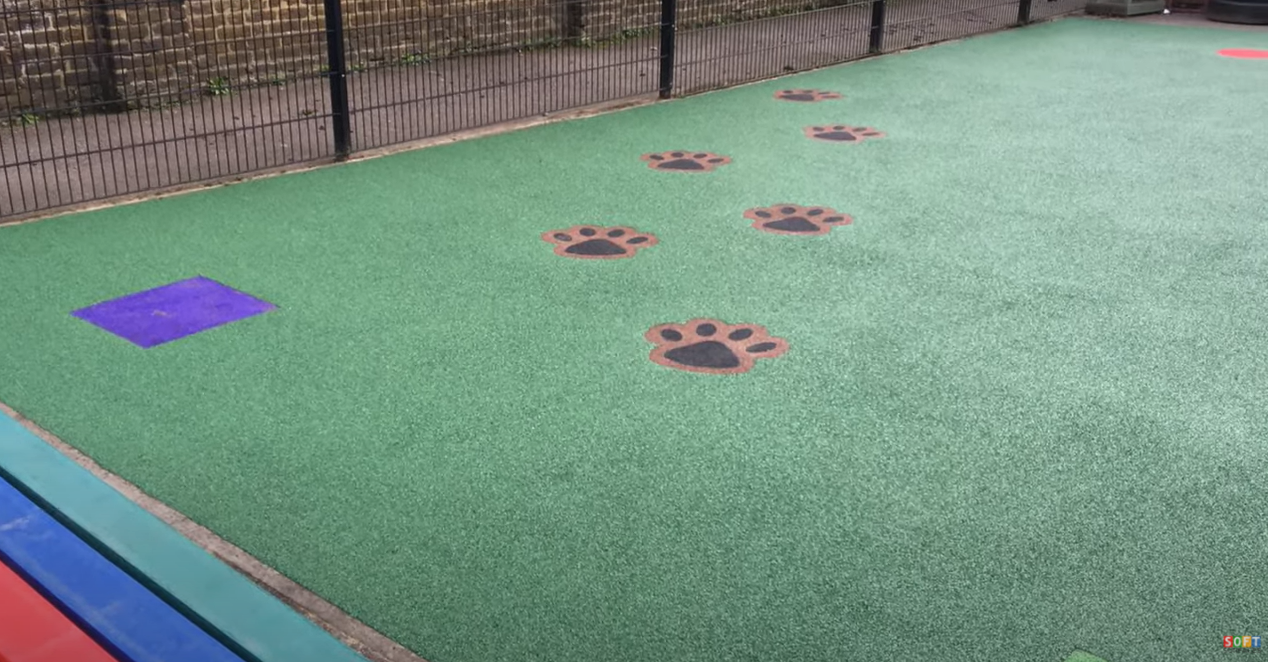
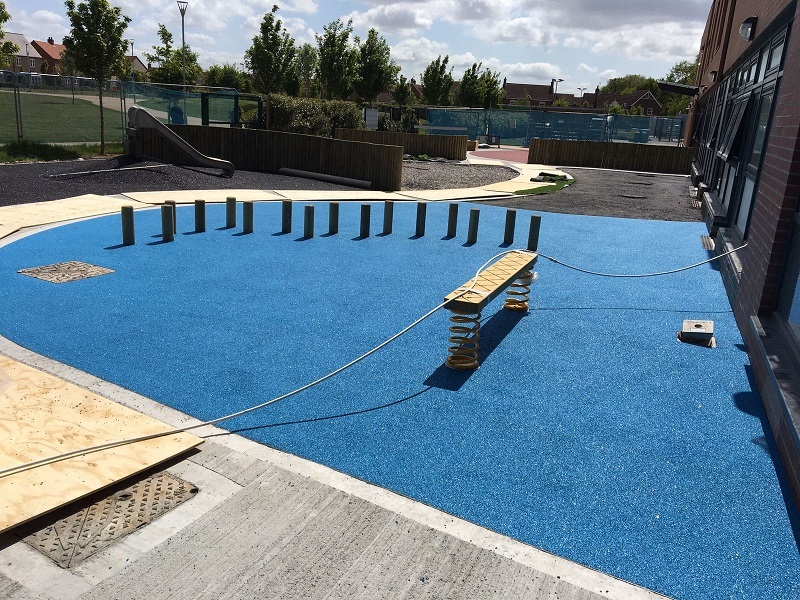
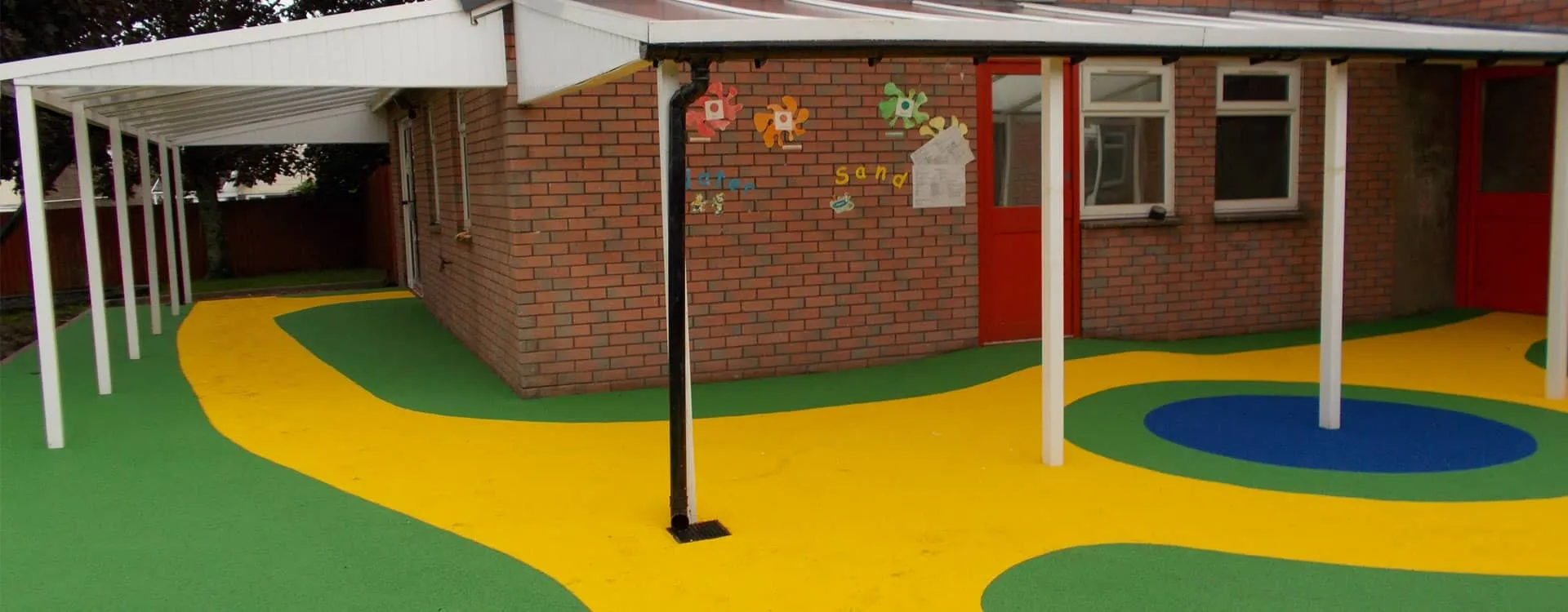
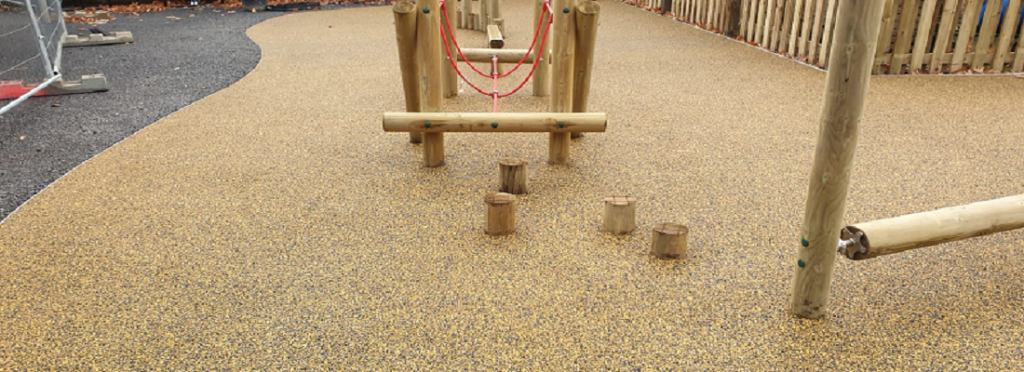
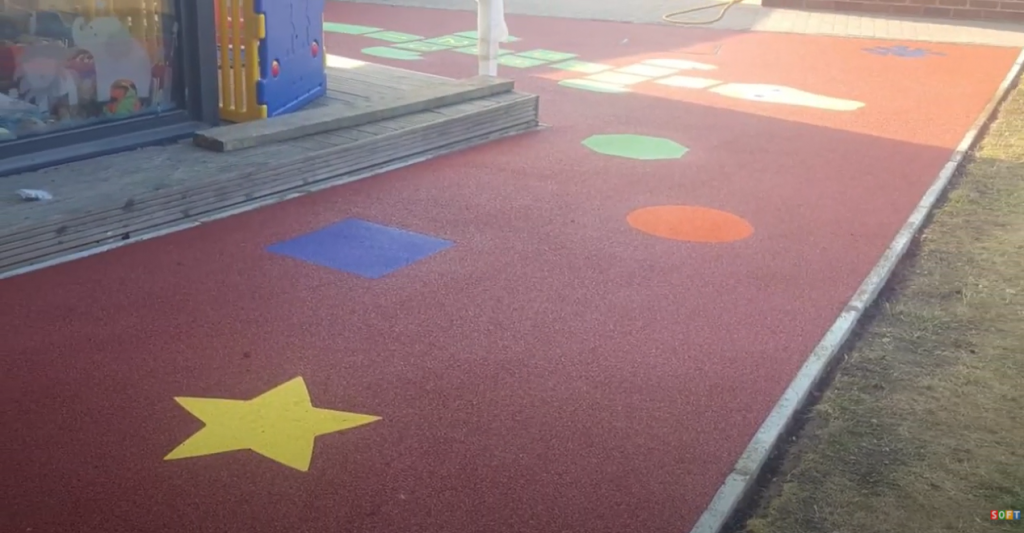
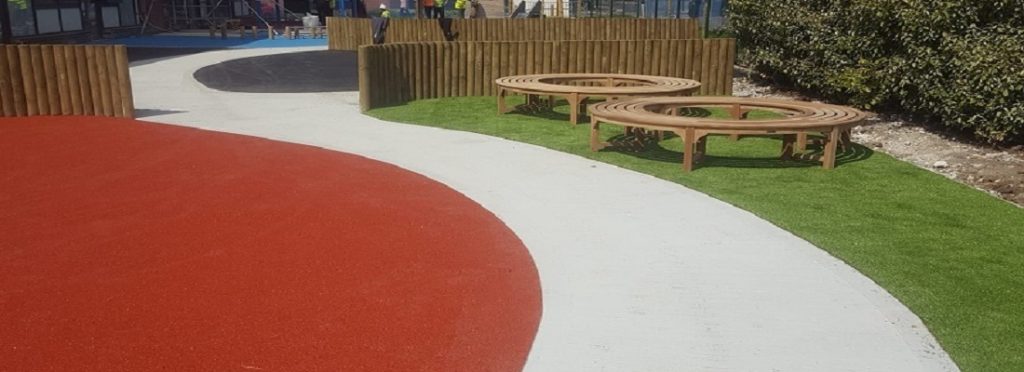
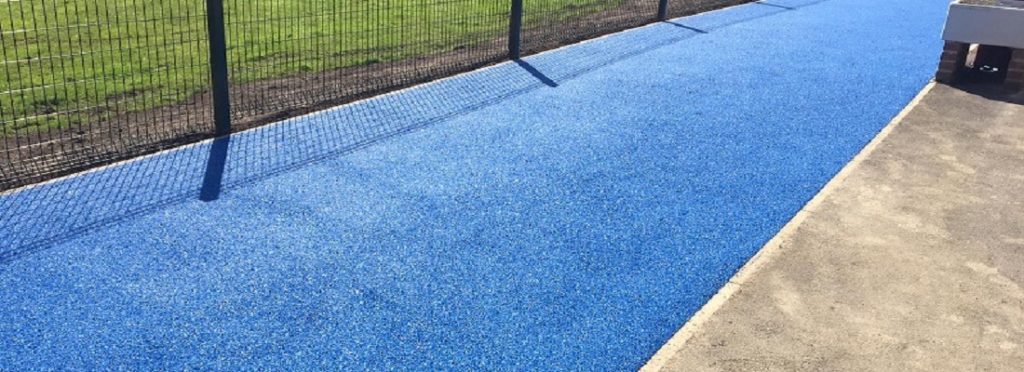
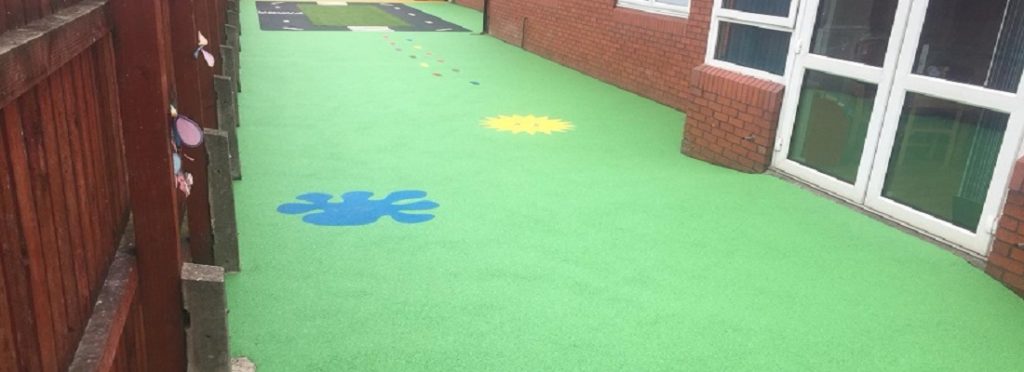
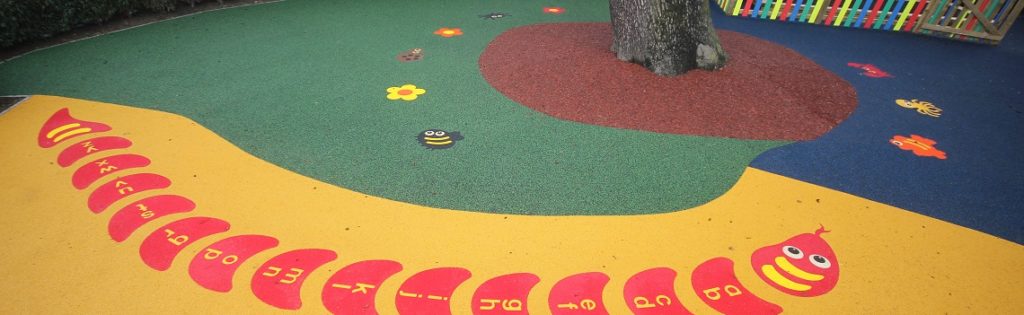
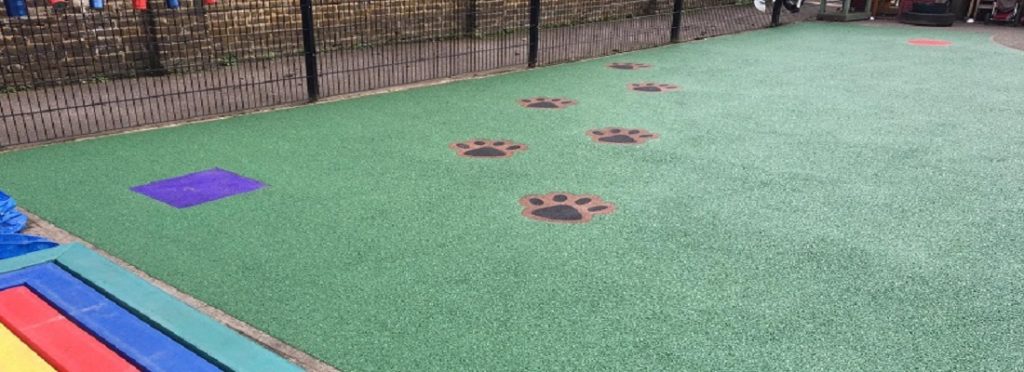
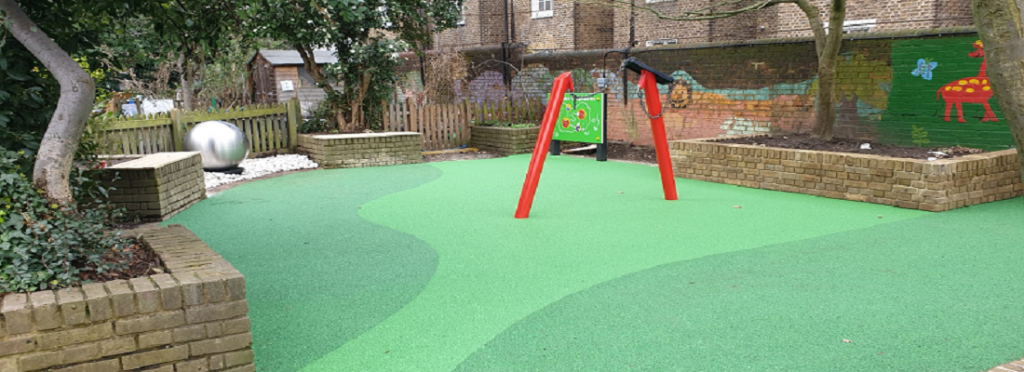
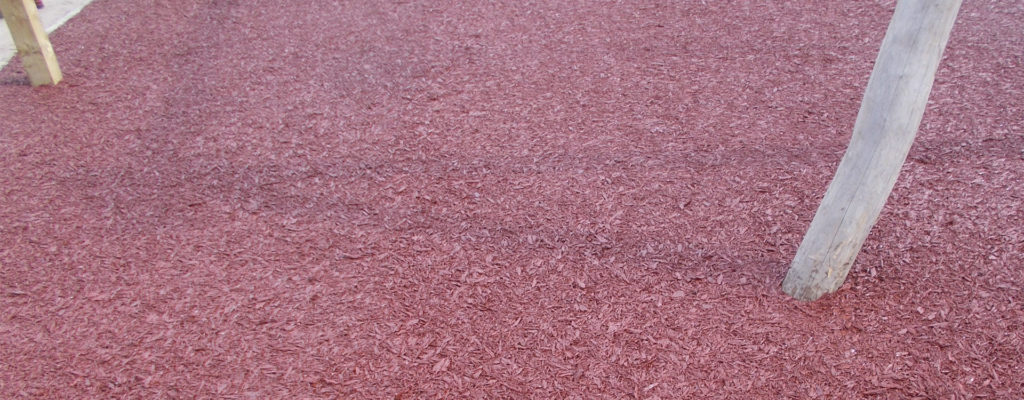
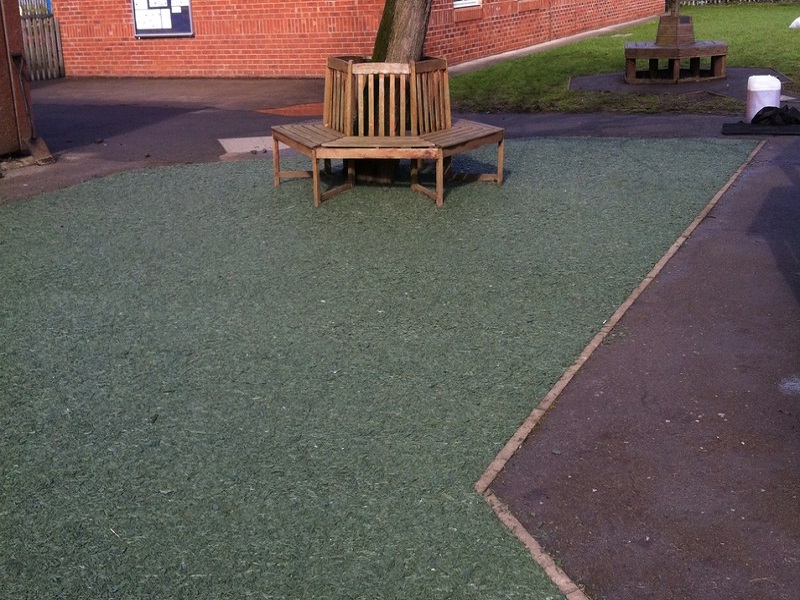
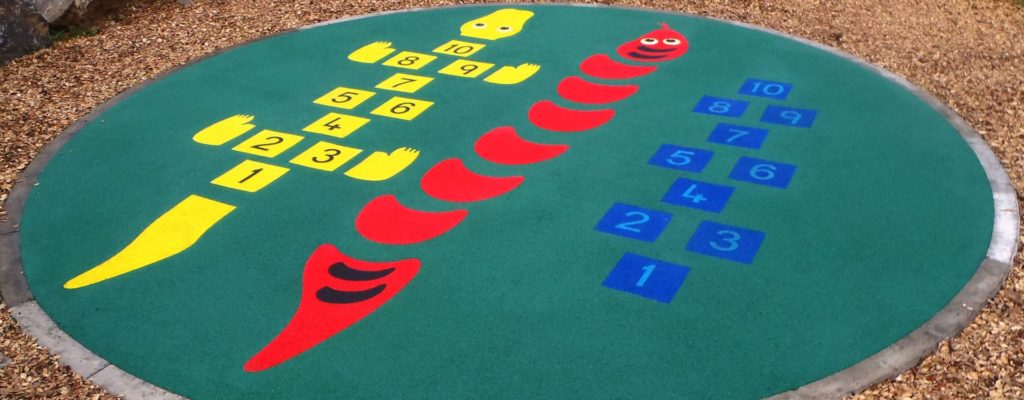
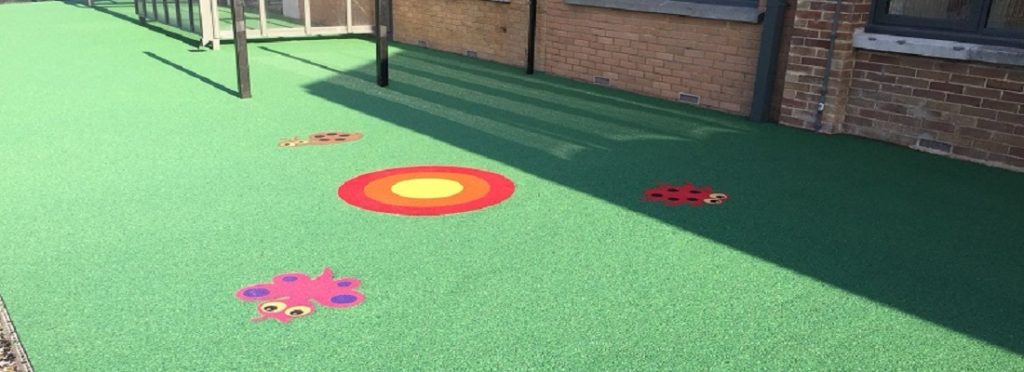
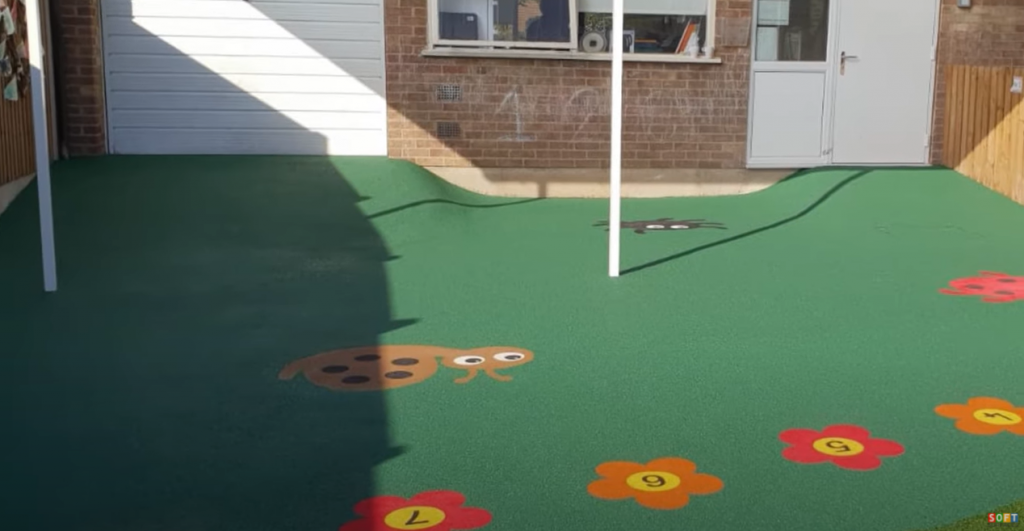
It’s also a good idea to think about the surrounding areas on the playground. Maybe the floor surfacing could be a different material than just grass (like wetpour or rubber mulch) as the feeling of it will interest the children very quickly. Paintings/graphics of fantasy creatures will set the mood for the kids and will also ease their imagination into an active state to allow for a more engaging school storytime.
How Storytelling Can Benefit Children
Storytelling allows children to fully immerse themselves in a fantasy world whilst gaining benefits for the real world. It explains why so many early year schools have storytelling sessions and why it is encouraged so much amongst this age group. Here are some of the best benefits of telling stories can have on your pupils:
- Allows children to explore their own culture (as well as others)
- Broaden children’s ideas and method of thinking
- Kids can empathise with new people, places and situations
- Introduces differences and similarities between people
- Wisdom is common to all people and cultures
- Being nasty gets you nowhere whilst being nice can make you go far
- Morals are taught
Not only can storytelling have benefits for individual pupils, but it can have a strong impact on the class, with positives like:
- Promotes feelings of well-being and relaxation
- Increasing children’s willingness to communicate their thoughts and feelings on certain matters
- Verbal proficiency increases over time
- Listening skills become a lot stronger
- Active participation is encouraged massively through the stories
- Use of imagination and creativity is more common meaning it becomes a lot stronger
- Cooperation between pupils is increased through the activity
Many may see storytelling as just an act of entertainment and that it carries no benefits with it, but after noticing these points; you can see for yourself how much this simple activity can help children develop into stronger human beings whilst at the same time offering a lot of moments of laughter and smiles. Click here to see another article which talks about the benefits of telling stories.
Playground Storytelling Seating Area
Seating areas are commonly placed outside because the environment can help set the tone of the story, as well as all the health benefits that it carries. Ofsted also loves these types of activities greatly due to them promoting outside teaching and how it gives another reason for classes to go outside and perform their activities there. Different types of school playground furniture can also be included in these areas.
As described before, seating areas often have one big chair (usually shaped like a throne) for the reader and a dozen small seats for the audience. Using this format allows children to understand who the storyteller is, and it grabs their attention visually, giving a stronger focus on the actual story itself. There are plenty of different designs options for a playground storytelling seating area if you are interested in something like this.
The atmosphere is incredibly important as reading a story in class may sound like a good idea but with all the surroundings being linked to education and boring, kids will instantly not feel engaged with the story and end up becoming bored as well. Outside however offers a different atmosphere for the kids and will get their attention a lot easier as the outsides atmosphere is a lot more exciting and unknown.
Reading Stories for Primary School Children
Children of primary school age will enjoy and learn from these activities as they are beginning to develop their reading and listening skills. More complex stories can be read however you must keep in mind that they are still children, and certain genres and books aren’t suitable still. There are many benefits of reading stories for primary school children as it can enhance many skills.
Obviously, books directed at adults don’t do well. It’s important to choose books that are age-appropriate for the class so they don’t become bored or find it hard to follow the story.
Good stories to choose from would be things like fantasy fiction. Children love to use their imagination at this age and will want to explore new worlds. Fictional creatures often interest the kids quicker as they must imagine how it looks and acts. Escapism is achieved a lot quicker through this type of story and therefore, children become a lot more endorsed and enjoy the activity a lot more.
 4 Ideas for Teaching Organisation on the Playground
 4 Reasons Why Schools Have Artificial Grass
 Activities to Teach Kindness on the Playground
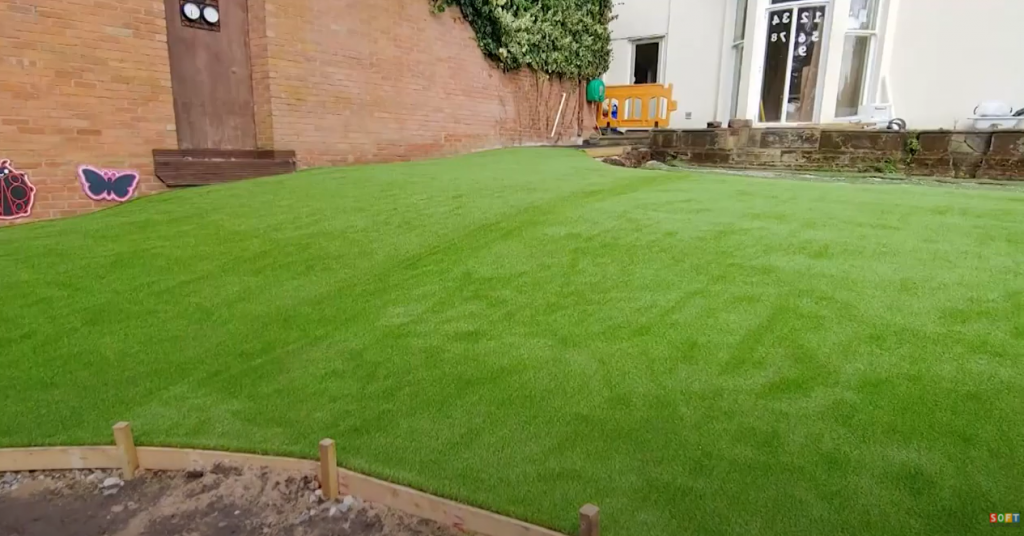
 Artificial Grass and Rubber Mulch Surfacing in Derby, Derbyshire
 Artificial Grass and Wetpour Pathway Installation at a School in Birmingham
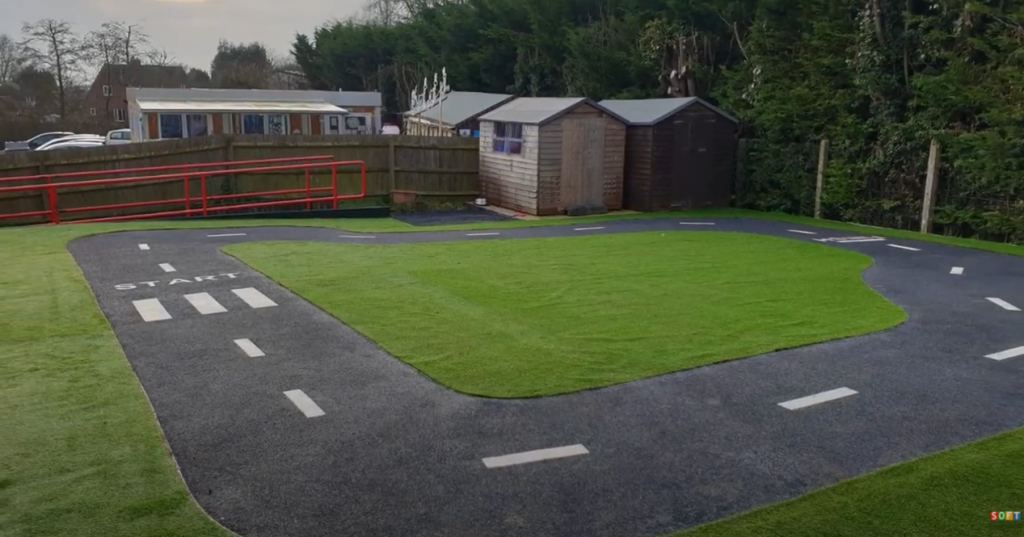 Artificial Grass and Wetpour Roadway Construction in Liverpool
 Benefits of a Mud Kitchen for a School Playground
 Benefits of Climbing in Primary School
 Benefits of Sensory Activities for Individuals With Autism
Show all 92 related pages
 Black Wetpour Flooring Construction in Canterbury
 Children’s Play Area Flooring
 Children’s Sensory Playground Designs
 Colourful Play Area Surfacing in Sheffield, South Yorkshire
 Colourful Rubber Playground Flooring Installation in Wakefield
 Colourful UK Playground Surfacing in Bedfordshire
 Cooperative Play Ideas for Kids
 Costs of Schools Playground Safety Surfaces
 Creating a Storytelling Area in Your Playground
 Day Care Playground Safety Flooring in Stoke, Staffordshire
 Den Building Ideas for Schools
 Early Years Outdoor Play
- Educational Playground Surface Installation in Brighton
 Encouraging Risk Taking in Outdoor Play
 EPDM Rubber Play Area Flooring in Luton, Bedfordshire
 EPDM Rubber Play Area Surfacing in Leeds, West Yorkshire
 EPDM Rubber Wetpour Flooring in Newcastle, Tyne and Wear
 Expressive Arts Playground Ideas
 How to Prepare Your Playground for Winter
 How to Refresh Your School Playground
 Imaginative Play Ideas for Kids
 Impact Attenuating Playground Surfacing
 Inclusive Playground Equipment for Schools
 Independent Learning Activities for Kids
 Lap, Leap, Neap Play Area
 Large Wetpour Play Area Surface in Stockport
- Learning Through Play: Psychology and Theories
- Managing Behaviour Through Active Outdoor Play
 Needlepunch Playground Construction in Kilmarnock
 Nursery EPDM Rubber Surfacing in Wolverhampton
 Nursery Play Area Surfacing
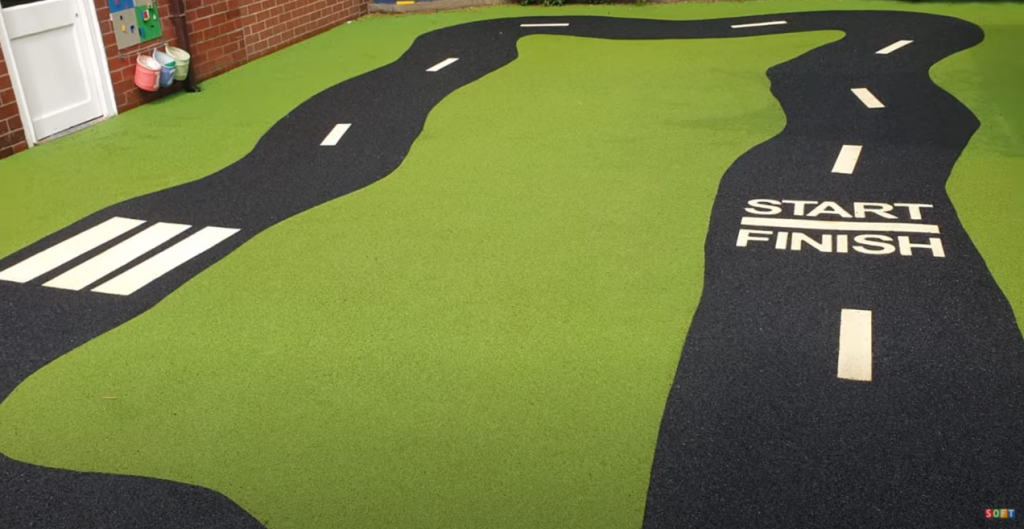 Nursery School Green Wetpour Overlay in Gloucester
- Ofsted Requirements for Outdoor Play
- Outdoor Maths Games for Children
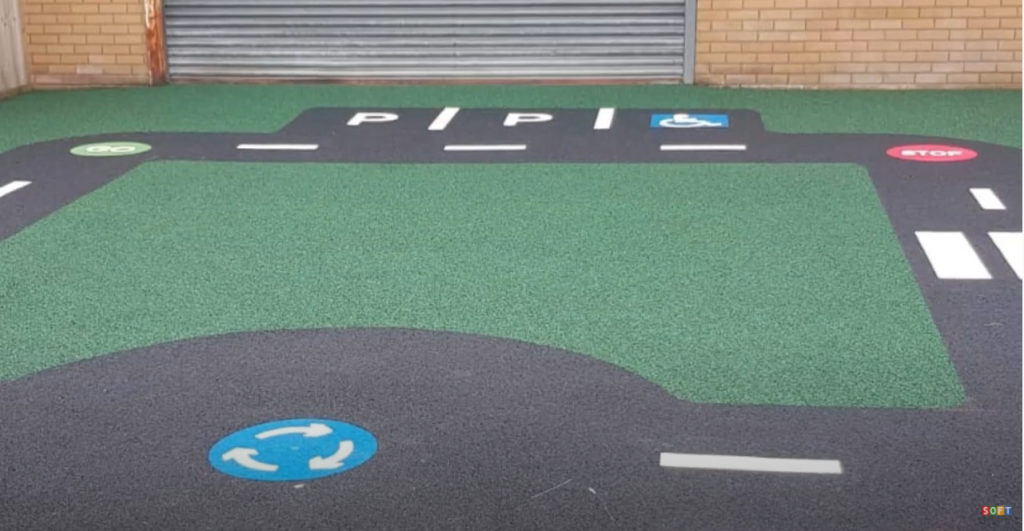 Outdoor Nursery School Surfacing in Preston
- Outdoor Play Area Ideas for Kids
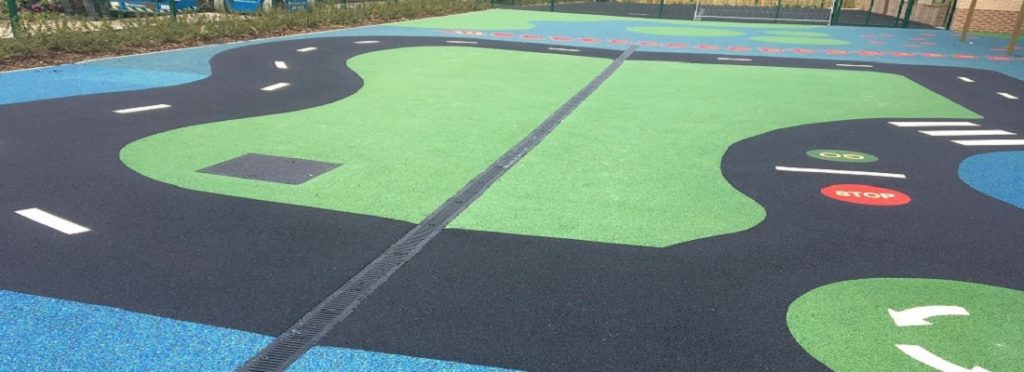 Outdoor Play Ideas for Children With Dyscalculia
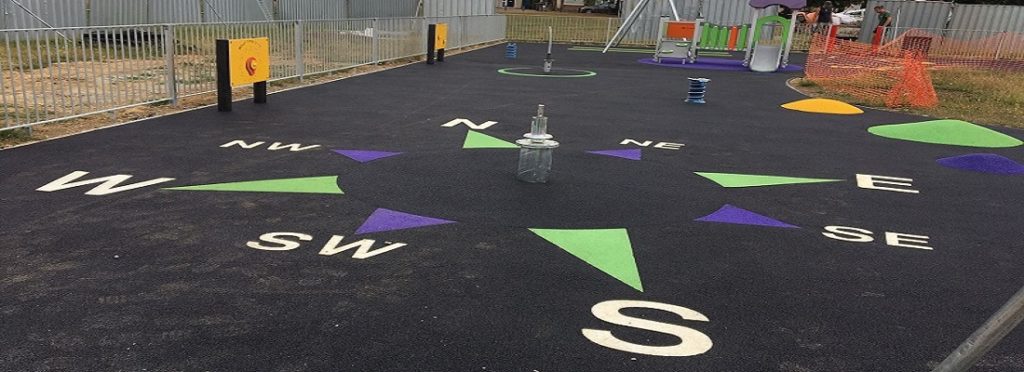 Outdoor Playground Roadway Design
 Outdoor Wetpour Surfacing Install in Leicester
 Play Area Line Marking Specification
 Play Area Maintenance
 Playground Activities for the National Curriculum
- Playground Designs for Sensory Processing Disorder
 Playground Equipment for Schools
- Playground Fencing
- Playground Flooring Repair in Birmingham, West Midlands
 Playground Games for Children With Dyspraxia
 Playground Games to Encourage Speech Development
 Playground Grass Mats Safer Flooring
 Playground Safety Surface Construction in Reading, Berkshire
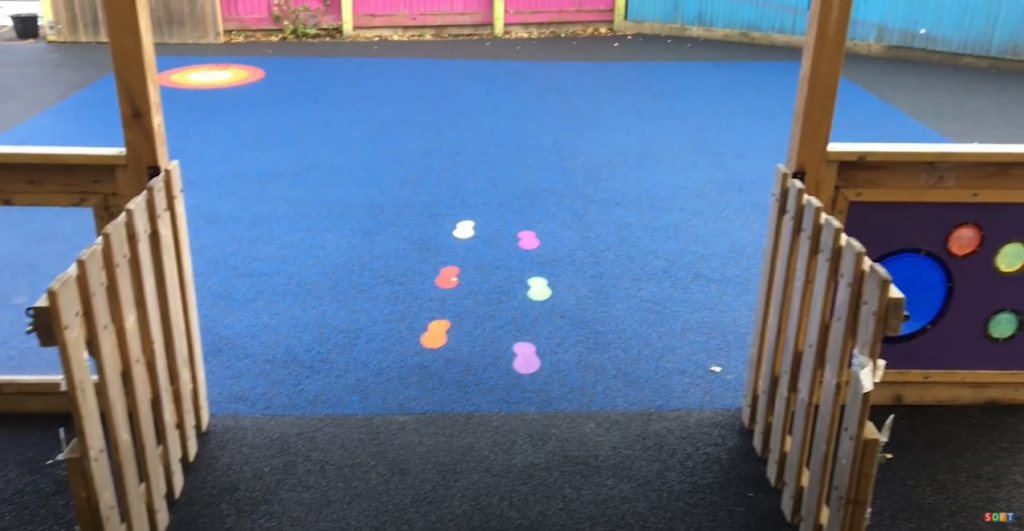 Playground Safety Surfacing with Graphics in Shropshire
 Playground Surfacing Options
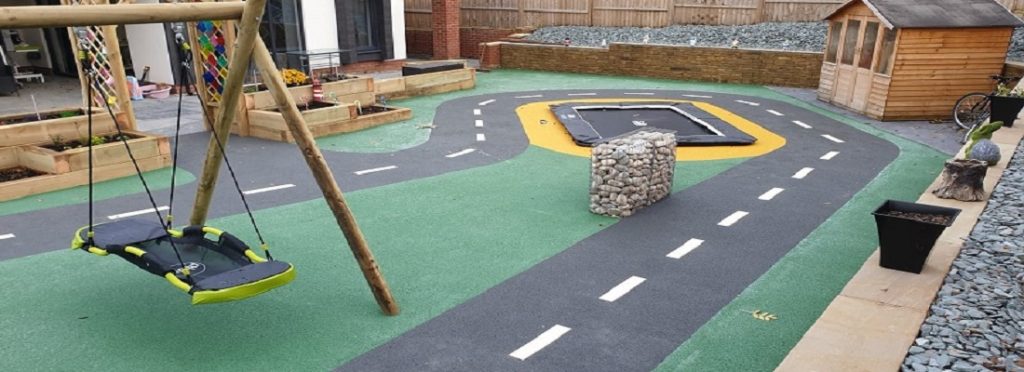 Playground Wet Pour Flooring in Northamptonshire
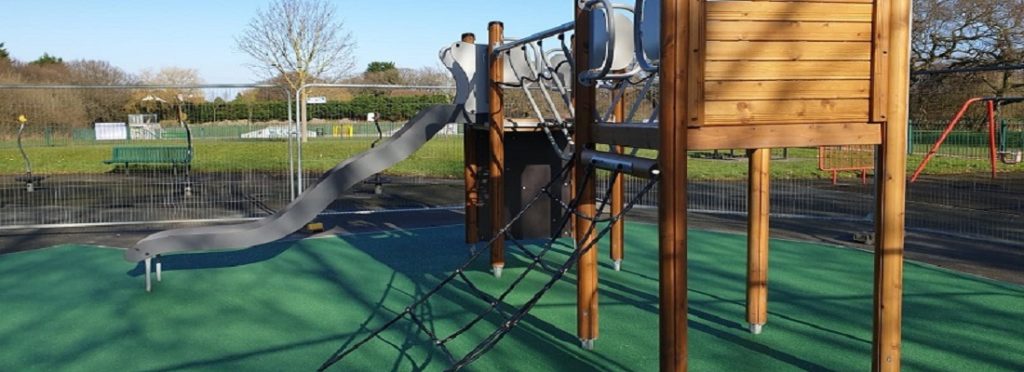 Playground Wet Pour Flooring in Nottinghamshire
- Playground Wet Pour Flooring in Oxfordshire
- Poured in Place Rubber Bouncy Playground Surfaces
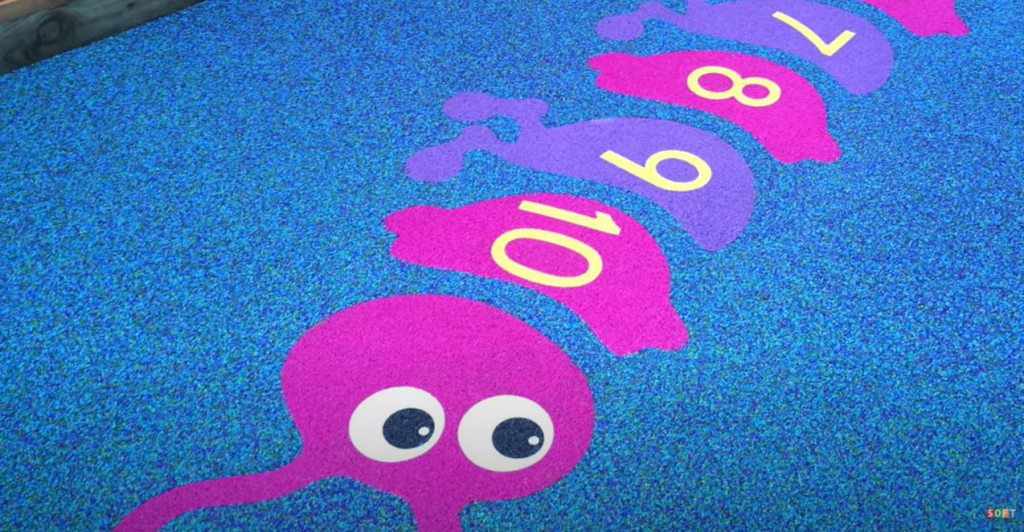 Pre-School Play Area Surfacing in Wigan
 Primary School Outdoor Classroom Funding Grants
 PS4 Activity Games Space Area in Penrith
 Q26: Wetpour Playground Safety Surfacing
 Rubber Playground and Artificial Grass Surfacing in Middlesbrough
 Rubber Spheres Play Equipment
 Rubber Tarmac Flooring
 Sand and Water Play Activities for Kids
- School Adventure Trail Designs
 School All Weather MUGA Pitches
 School Athletics Track Designs
- School Playground Design and Install in Manchester
- School Playground Groundworks
- School Playground Ideas
 School Playground Marking Designs
- School Playground Surfacing
 Schools Recreational Long Jump Runway Length
 Spongy Nursery School Surfacing in Carlisle
 Spongy Playground Flooring Construction in Woking, Surrey
 Tests for Playground Safety Flooring
- Top 3 Safety Surfaces for Playgrounds
- Top 5 School Playground Trends
 Wet Pour Surfacing and Synthetic Turf Construction in Worthing, Sussex
 Wetpour Flooring & Graphics Installation in Bristol
 Wetpour Playground with Graphics in Salford, Greater Manchester
 Wetpour Safety Flooring with Graphics at a Nursery in Cheltenham, Gloucestershire
- What Is Critical Fall Height?