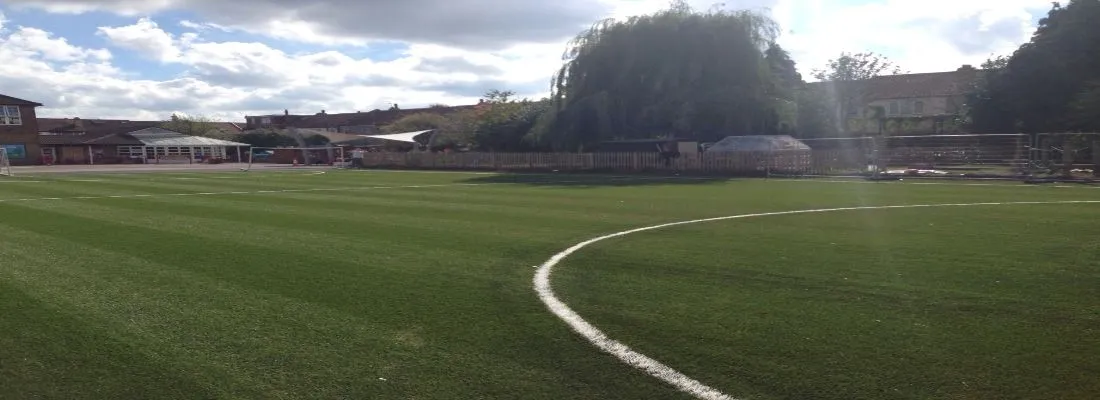
Recently I had a customer on the phone who said, “What generation of sports pitch surfacing is it when it’s got billions of rubber balls in the flooring?” He went on to describe it as the rubber black chippings that get into your trainers and is a nightmare when you get home as it goes all over the house.
Sports Pitch Rubber Infill
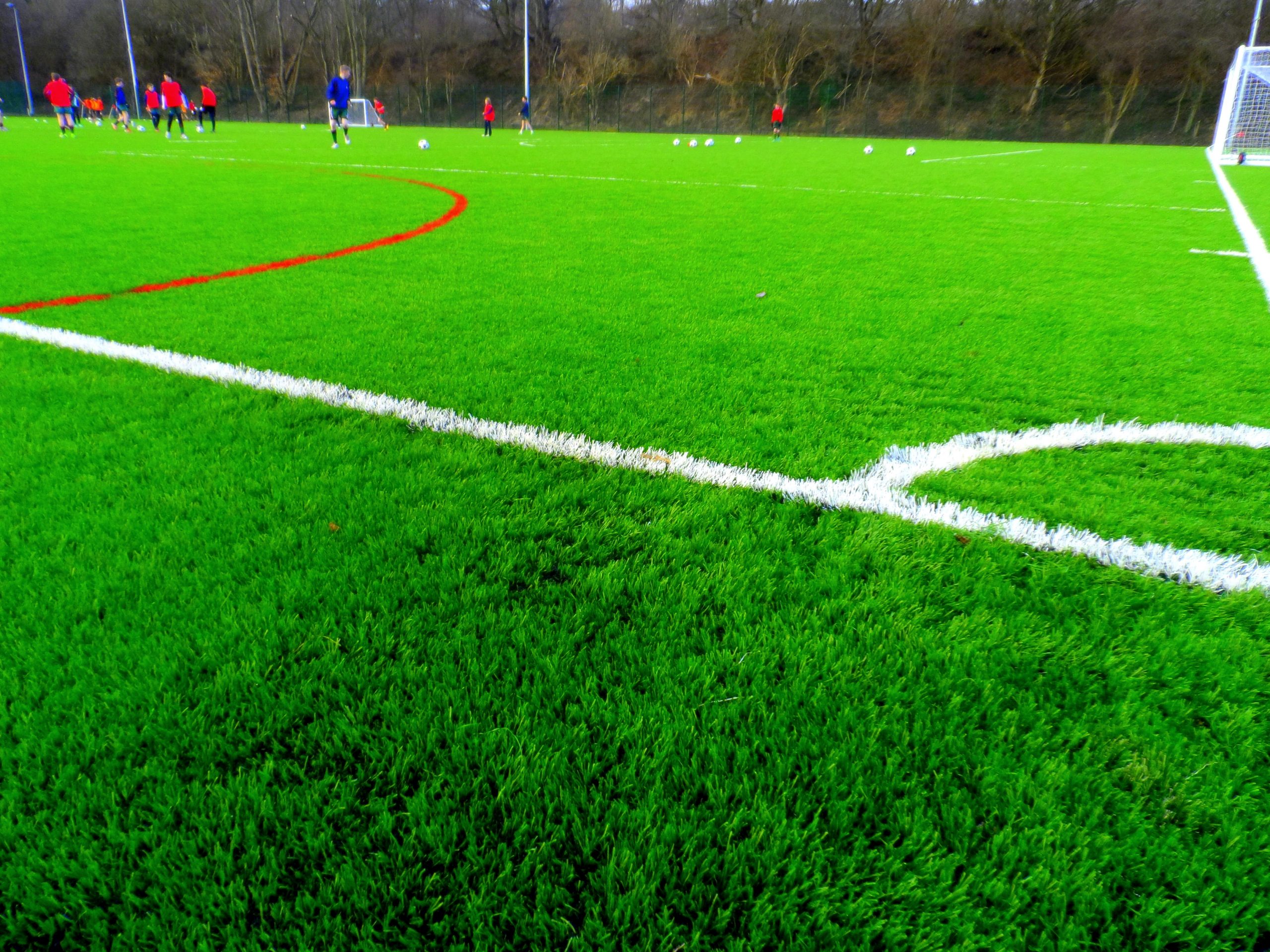
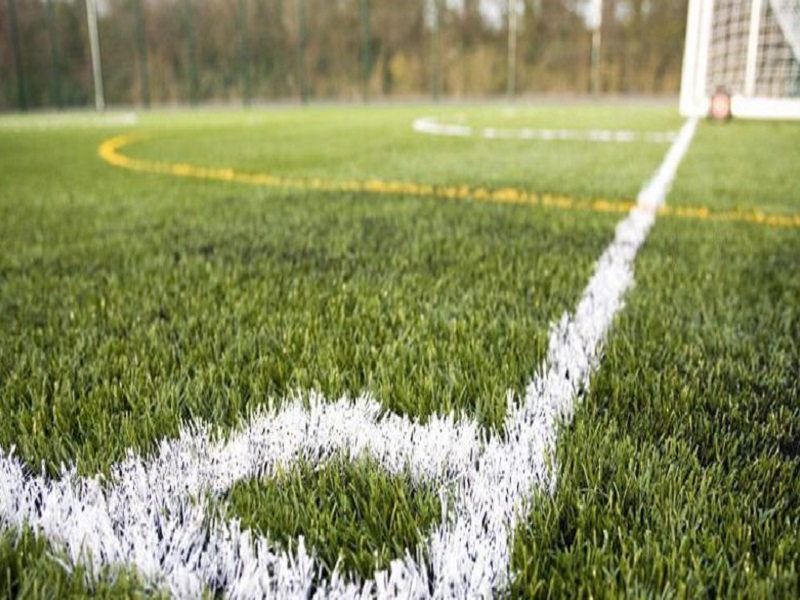
The honest answer to that is it is a 3rd generation 3G synthetic turf surface. This type of sports pitch has both sand and rubber infill within the fake grass which is also known to many as a plastic pitch or astroturf rubber crumb sports pitches. These rubber infill particles help to keep the fake grass fibres upright and replicate the natural playing characteristics of real grass. The rubber crumb can also help to cushion players’ muscles and joints during training and matches to prevent injury and strain. It’s important to keep a 3G fake grass pitch in top condition by regularly redistributing the rubber infill and topping it up if it becomes low. This will maintain good playing qualities and prevent the turf from becoming slippery.
So where does 4G, 5G or even a 6G pitch come into play? Many people might ask this and it is a very good question. I am sure very soon a fourth-generation pitch will be accredited by the governing bodies of the FA, FIFA, FIH, IRB and RFU. However at present, there isn’t a set standard for these and many companies, contractors and suppliers are looking to design the latest innovation. The 3G rubber infilled surfacing is typically installed as the latest and best specification of artificial grass sports pitch surfaces.
4G Artificial Pitches
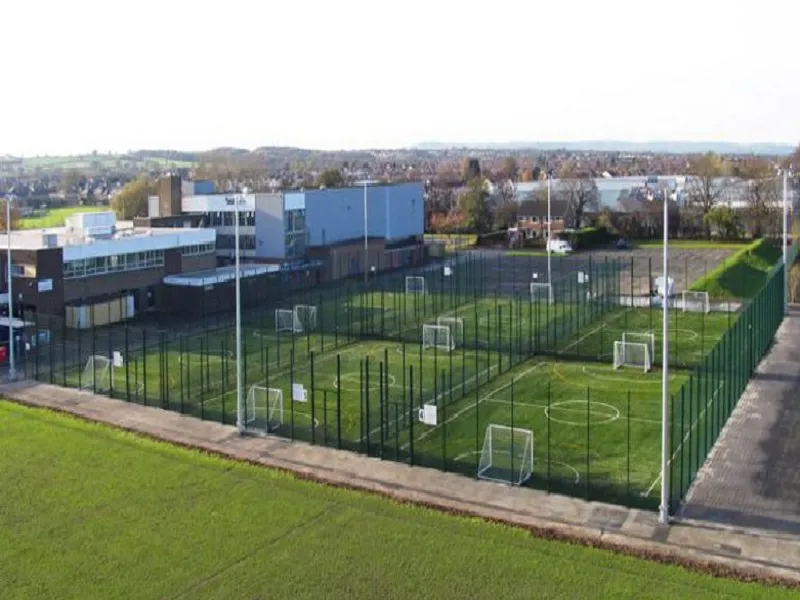
Fourth-generation 4G sports surfaces are marketed to be a non-infill artificial grass ideal for ATPs, STPs and MUGAs. The fifth-generation 5G surfacing is labelled as a full rubber crumb infilled carpet and soccer domes claim to have this latest innovation installed. Some football leagues are now advertising to have a sixth-generation 6G ball court. However, the truthful answer is that if you had a football club and wanted to advertise the latest design or flooring then you would probably say you have the 7G football or rugby pitch.
We are experts in the installation of these 3G fake grass sports surfaces and we would love to discuss any queries you have. This could be regarding a full construction project or maintenance works for an existing area. Please use our contact form to tell us a bit about your enquiry today. We’ll get back to you with some friendly advice regarding pricing and designs. You can also take a look at our website here / which includes case studies and product examples for the work we carry out at schools, clubs and residential sports facilities in the UK.
What are the black rubber balls on a 3G pitch made of?
The black rubber balls are rubber crumb, small granules of rubber, most often SBR made from recycled tyres, spread into the pile of a 3G pitch on top of a layer of sand. Together they hold the fibres upright, give the ball a natural roll and bounce, and cushion players when they fall or turn.
Because the crumb sits loose in the pile, boots and trainers kick some of it up, which is why it ends up in kit bags and cars. In the EU, loose granular infill is being phased out under the 2023 restriction on intentionally added microplastics, with a transition period to October 2031, so if you are planning a new pitch it is worth asking about infill options at the design stage.
Why does a 3G pitch need its rubber crumb topped up?
A 3G pitch loses rubber crumb through play, brushing and players carrying it off, and it migrates to goalmouths and edges, leaving thin areas where the fibres lie flat and the surface turns hard and slippery. Regular brushing moves it back, and a top-up replaces what has been lost. Our page on black rubber crumb top up for an artificial pitch explains the process, and our guide to maintaining a 3G pitch in winter covers the cold months.
What is the difference between 3G, 4G and 5G pitches?
3G is the long-pile, sand and rubber crumb infilled surface that the FA, FIFA and World Rugby test and certify. 4G, 5G and 6G are sales names used for newer carpets, such as non-infill or fully rubber-filled systems, and none has a governing-body standard of its own. There is a full comparison in our guide to 3G, 4G, 5G and 6G pitches, and the build process is on our 3G sports pitch construction page.
 3 Reasons to Build Dual Use MUGA Ball Court
 3G Artificial Grass Construction in Liverpool
 3G Artificial Pitch Surfacing in Whitehall, London
 3G Artificial Sports Pitch Construction in Woking, Surrey
 3G Artificial Sports Pitch Resurfacing Contractors
 3G Artificial Sports Pitch Resurfacing in Woking, Surrey
 3G Football Pitch Resurfacing in Cheltenham Gloucestershire
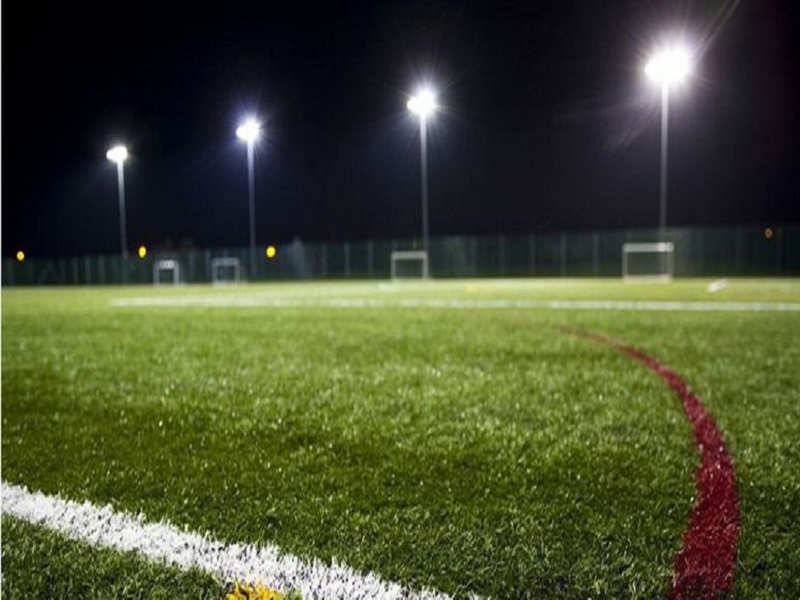 3G Football Pitch Resurfacing in Hackney, London
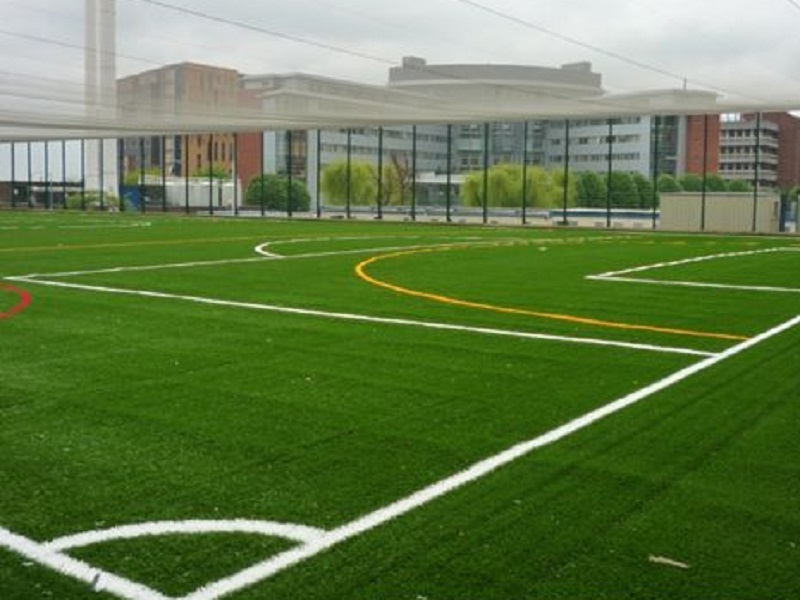 3G Grass Installation in Bournemouth, Dorset
Show all 87 related pages
- 3G Grass Pitch Installation in Bradford, Yorkshire
- 3G Pitch Construction in Birmingham, West Midlands
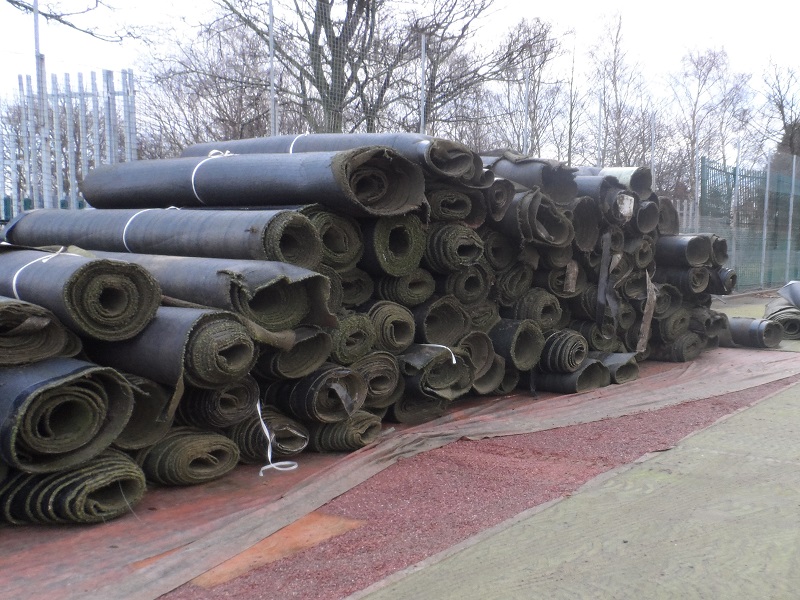 3G, 4G, 5G, 6G Artificial Synthetic Grass Pitches Explanation
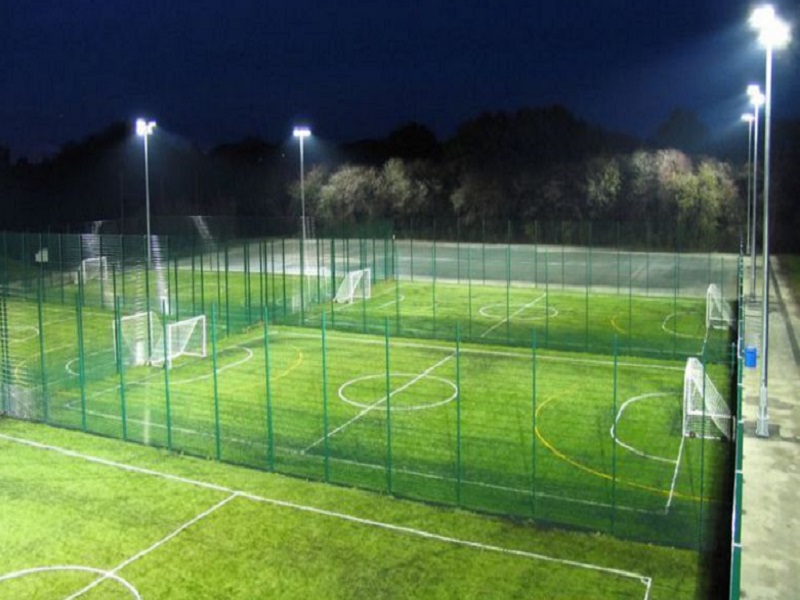 5 Reasons Why Your Artificial Grass May Have Melted
- 5-a-Side Football Pitch 3G Artificial Grass Surfacing in Liverpool
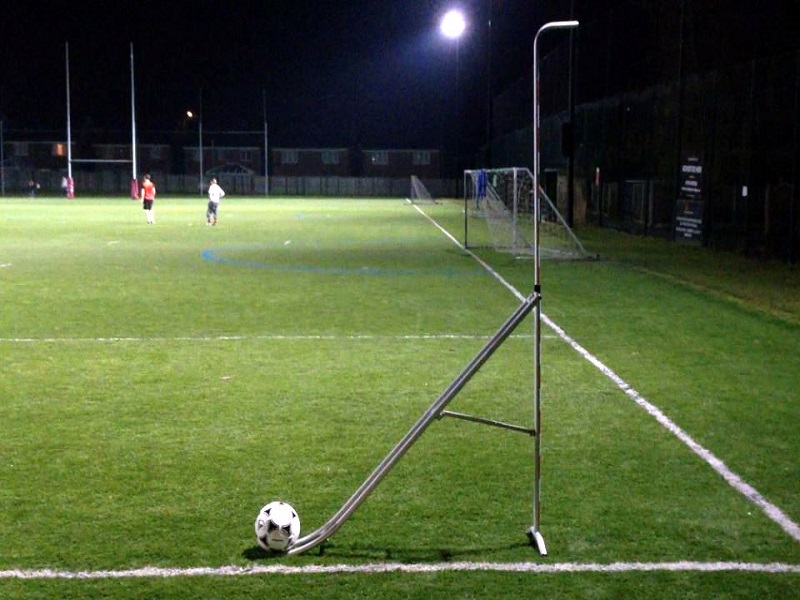 5-a-Side Football Pitch Construction With 3G Artificial Turf
 60mm Thick Long Pile Synthetic Turf All Weather Sports Pitches
 Acrylic Sports Court Spraying Anti Slip Paint Surface
 Adidas Polymeric Installation in Keir Hardie, London
 Anti Slip Sports Court Painting in Preston, Lancashire
 Artificial Cricket Wicket Surfacing
 Benefits of 3G Sports Pitches
 Benefits of Artificial Clay Tennis Court Surfacing
 Billions of Rubber Balls in Fake Grass: 3G, 4G, 5G, 6G Pitches?
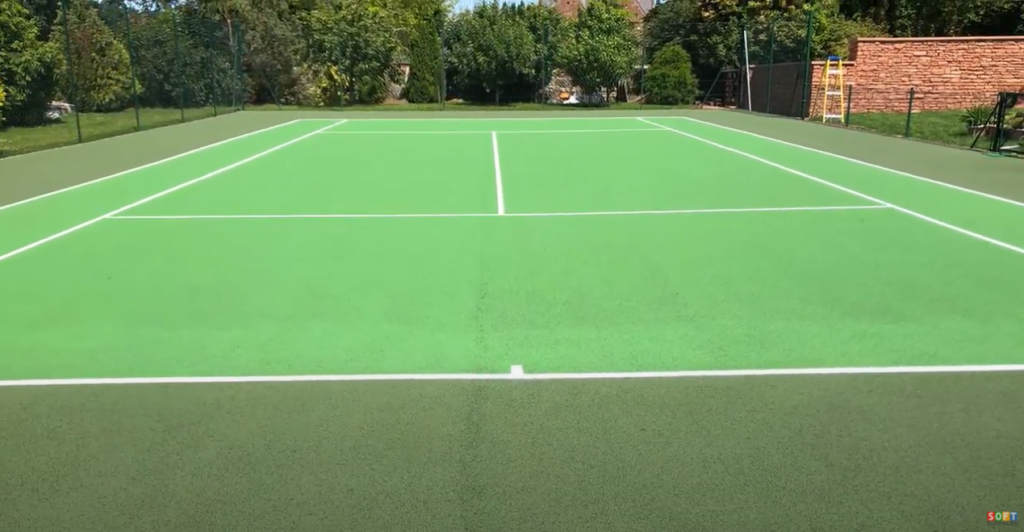 Cleaning and Painting of a Tennis Surface in Manchester
 Costs to Build a Synthetic Clay Tennis Court
 Fibre Bonded Needlepunch Sport Surfacing
 Flooded Hockey Pitch Sand Infill Cleaning
 Floodlight All Weather Sports Pitch
 Golf Pathways
- How to Maintain a 3G Pitch in Winter
- Lano Sports Drive 23 Sand Filled Synthetic Turf
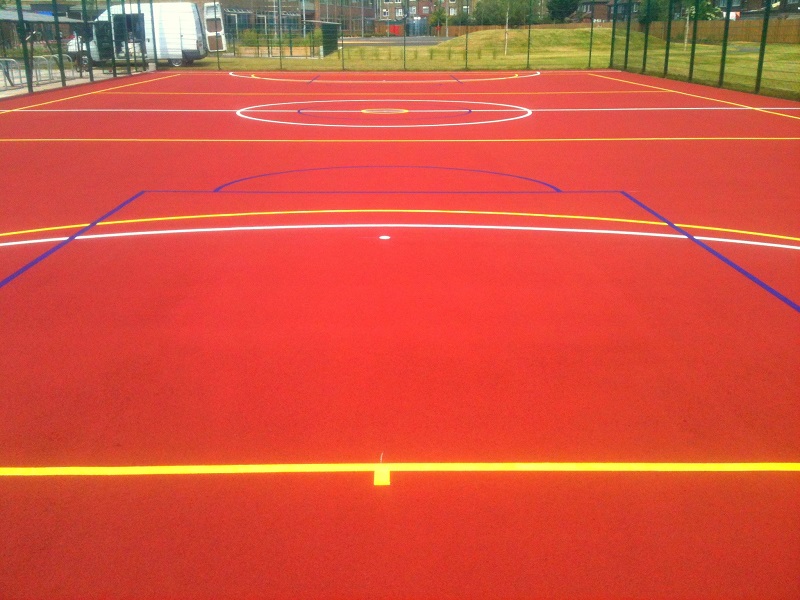 Leeds Tennis Court Cleaning and Repainting Surfacing
 MUGA Sports Court Cleaning and Painting at a school in Oxfordshire
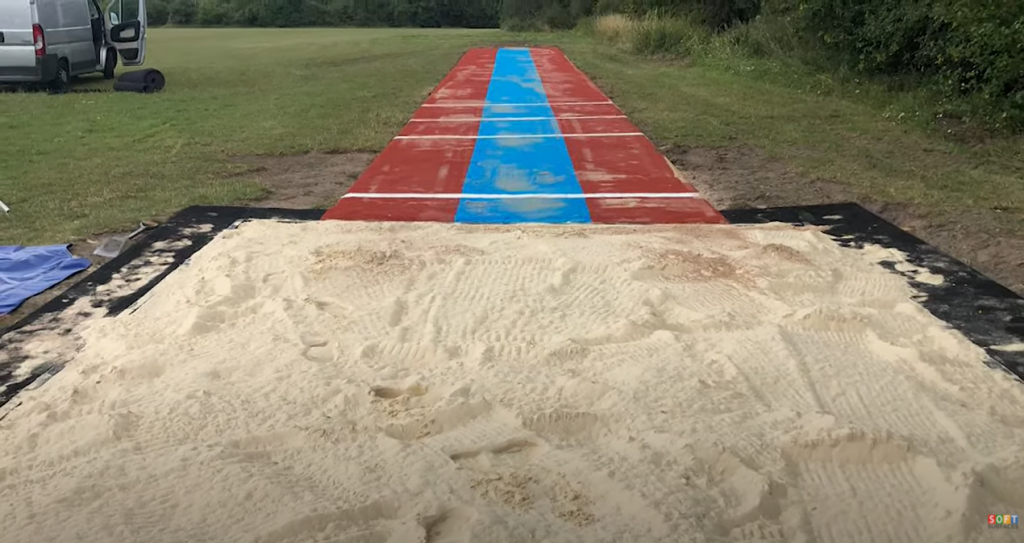 Multisport Long Jump Construction in Buckinghamshire
 MultiSport Long Jump Installation at a School in Essex
 MultiSport Long Jump Pit Installation in Coventry
 Multisport Synthetic Long Jump Installation in Oxford
 MultiSport Synthetic Surface Install in Oxford
- Netball Court Construction in Stockport
 Outdoor Basketball Court Sports Surfaces
 Outdoor Football Court Sports Surfaces
 Outdoor Sports Surface Clean & Paint in Glasgow
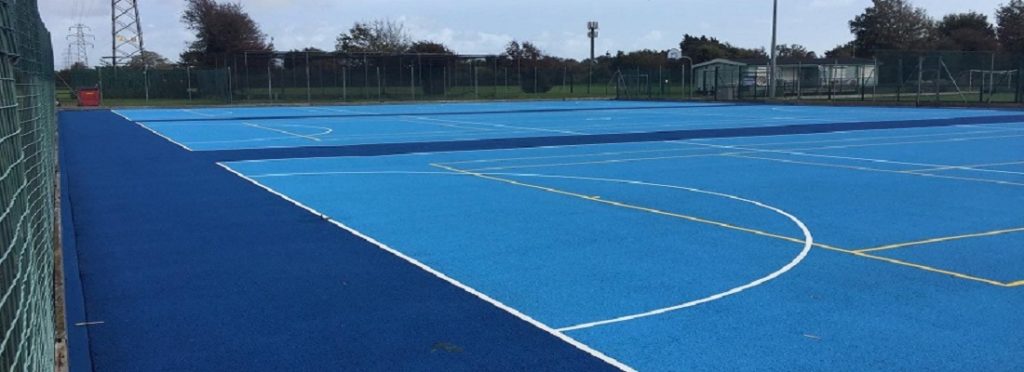 Outdoor Sports Surfacing Slip Tester Insitu Testing
 Padel Tennis Court Surfacing Installers
- Polymeric Resurfacing in Woking, Surrey
 Polymeric Surface Basketball Court Installation in Cheadle, Cheshire
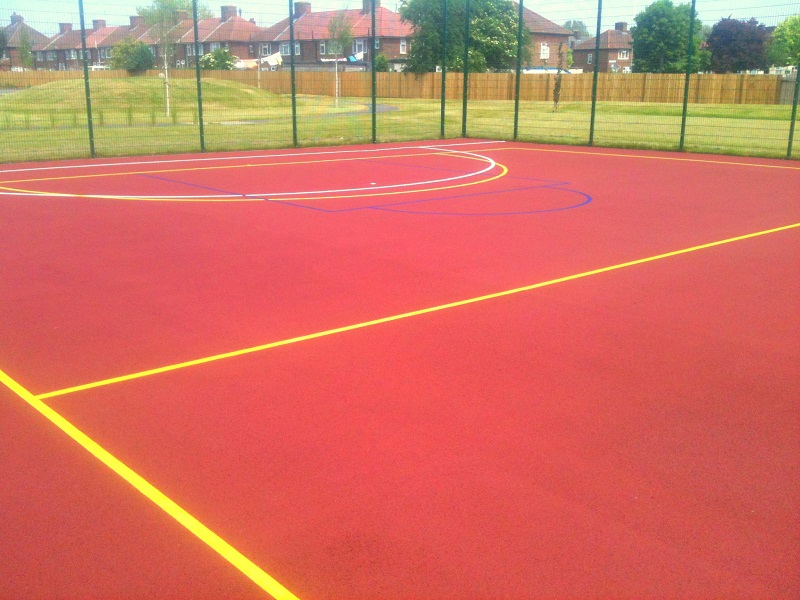 Practice Cage Cricket Wicket Surfaces
 Professional Tennis Court Painting
- Reasons Why All Weather Pitch Surfacing Gets Waterlogged and Flooded
 Refurbishment of Run Down Netball Courts
 Repairing Synthetic Turf Sports Pitches
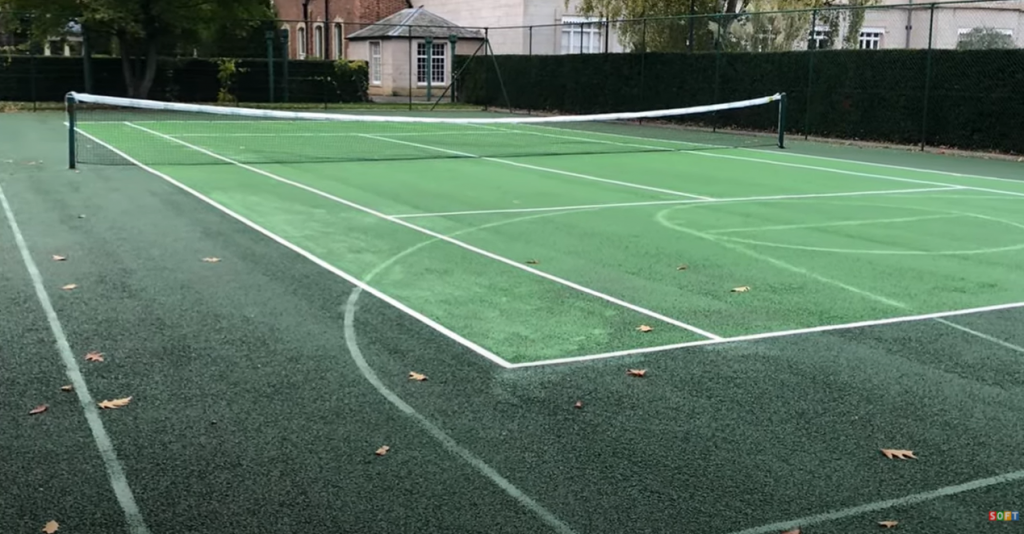 Residential Tennis Court Clean & Paint in Coventry
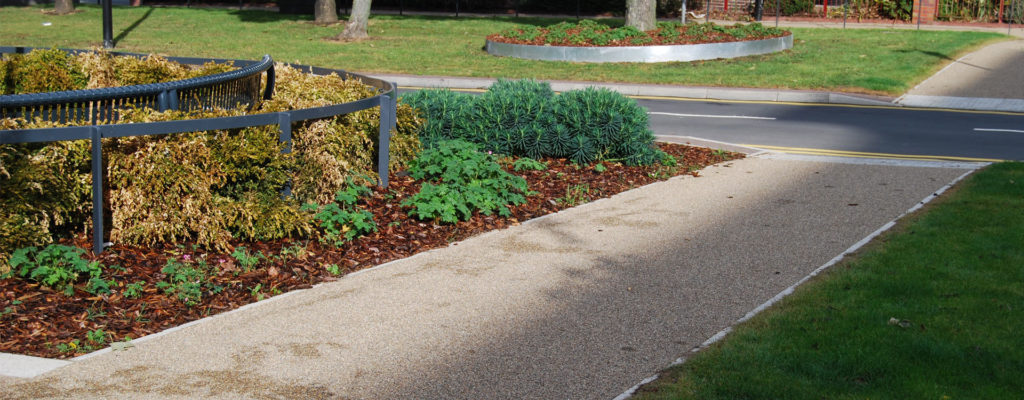 Rubber Golf Pathway Installation in Prestbury
 Rubber Mulch Daily Mile Track at a School in Manchester
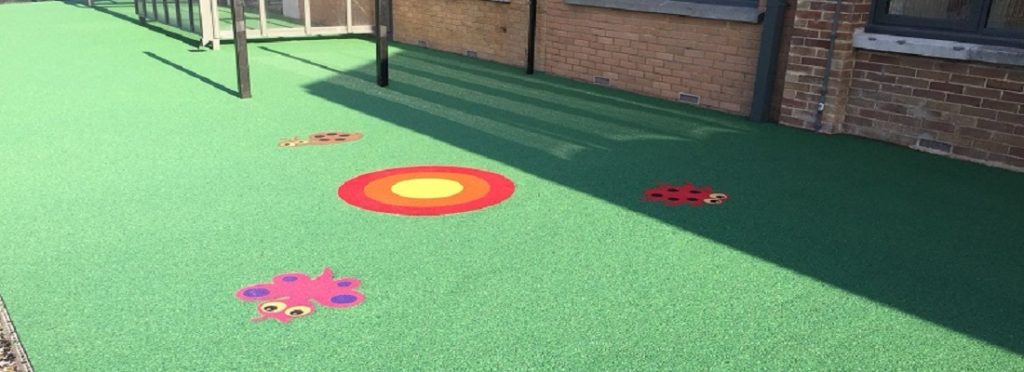 Rubber Playground and Artificial Grass Surfacing in Middlesbrough
 Sand Filled Synthetic Turf Pitch Costs
- School All Weather MUGA Pitches
 Size of 5 a Side Court MUGA
- Size of Netball Court Sports MUGAs
 Spending Your Sport Premium Funding
 Sports Court Anti Slip Painting in Leicester
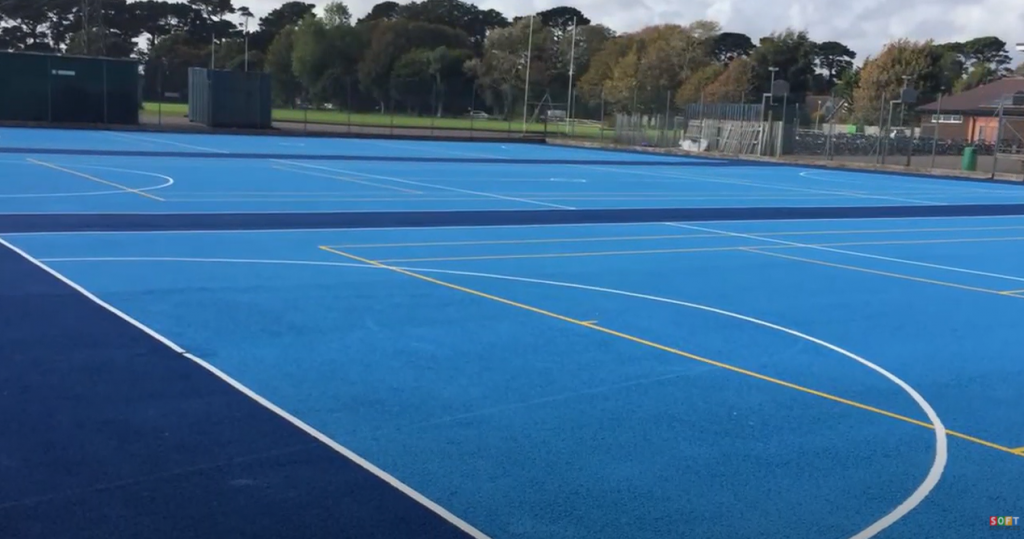 Sports Court Cleaning and Painting in Preston
- Sports Court Cleaning and Painting in Sheffield
- Sports Court Designs
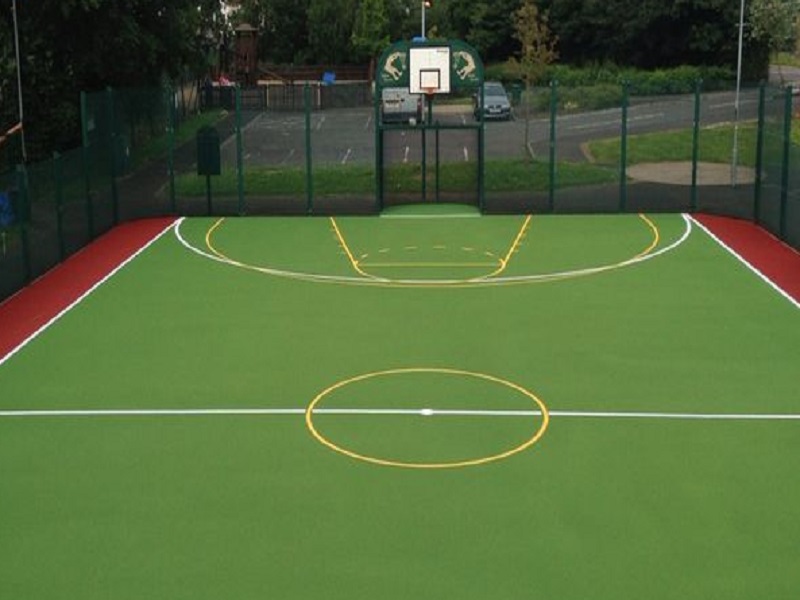 Sports Court Maintenance in Fleetwood, Lancashire
 Sports Fencing
 Sports Pitch Specification
 Sports Surface Colour Coating in High Peak
 Sports Surfacing Clean and Paint in Southport
 Sports Surfacing Rejuvenation Maintenance Golborne
 Synthetic Turf Football Field
- Synthetic Turf Installation in Leighton Buzzard, Bedfordshire
 Synthetic Turf Pitch Ball Roll Tests
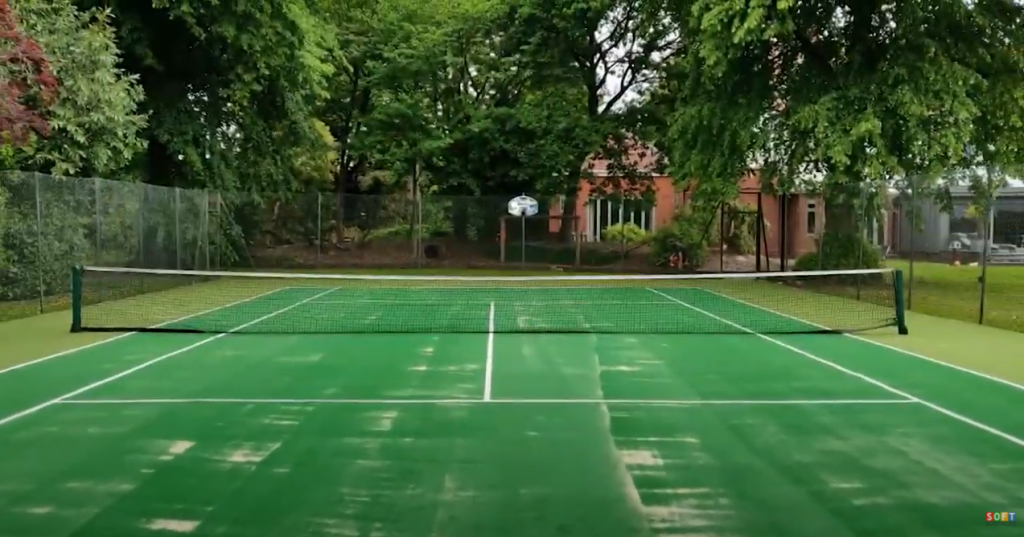 Synthetic Turf Tennis Court Installation in London
 Tennis Court Clean & Paint Maintenance in York
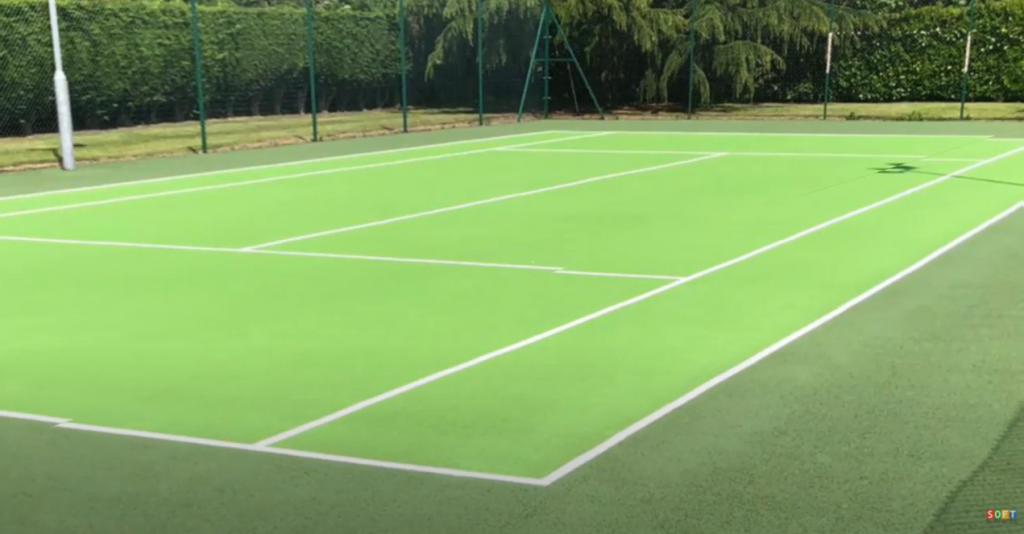 Tennis Court Cleaning and Repainting in Sheffield
- Tennis Court Construction
 Tennis Court Maintenance: Deep Clean and Recolouring
- Tennis Court Maintenance in Woking, Surrey
 Tennis Court Surfacing Maintenance in Yorkshire
 Tennis Court Surfacing Rejuvenation in Newcastle
- Tennis Court Synthetic Turf Cleaning Maintenance
- Tennis Courts Refurbishment Maintenance Lancashire
- Unfilled Synthetic Sports Turf Surfacing
- Waterlogged Synthetic All Weather Pitch Solutions
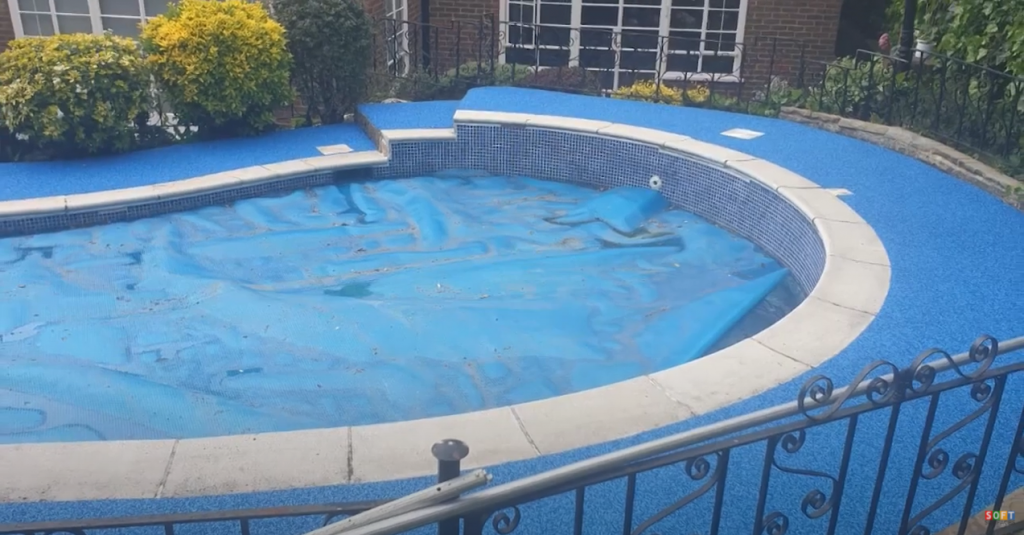 Wetpour Swimming Pool Surround Install in London
- Why Choose an Artificial Hockey Pitch?